

Now that you know what an automatic pump controller is and what it can do, let’s talk about how it works.
Basically, an automatic pressure controller is a motor that will automatically switch on when water in the overhead tank (OHT) falls below the lower limit and vice versa. The circuitry behind it is straightforward, minimising the potential for electrical issues, and it is very energy efficient. It is powered by a 12-volt DC power supply, which consumes around as much power as charging your phone.
Without getting too technical, an automatic pressure controller relies on the water pressure to operate. Using automatic pressure control will eliminate the need for all the other components in a traditional water pressure control system, making the plumbing in your home less complicated (and less expensive).
With less complex controls and more automation – not to mention the absence of a pressure tank– adjusting the water pressure in your home just got easier.
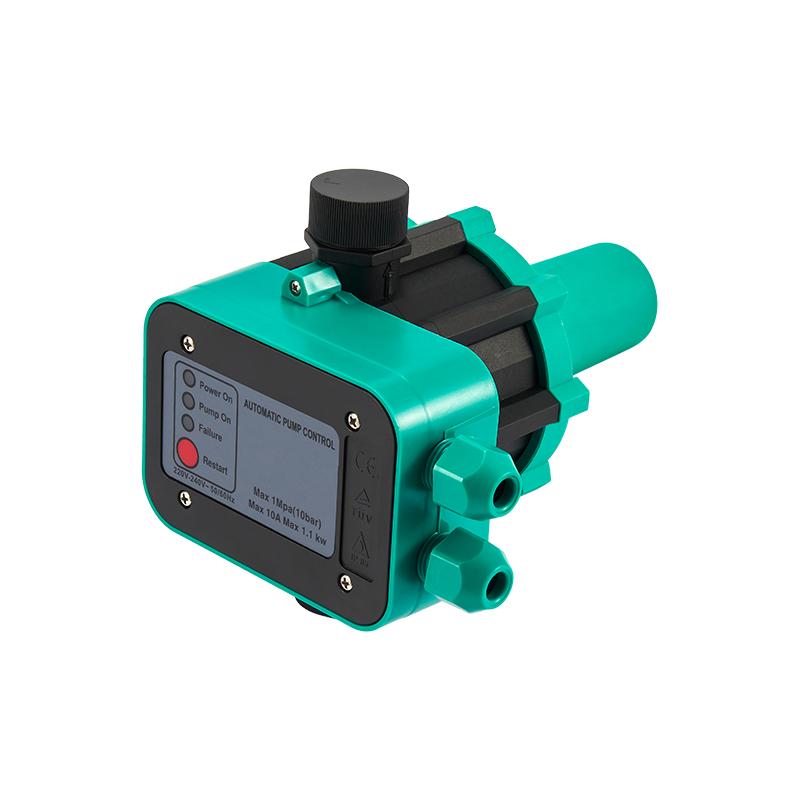
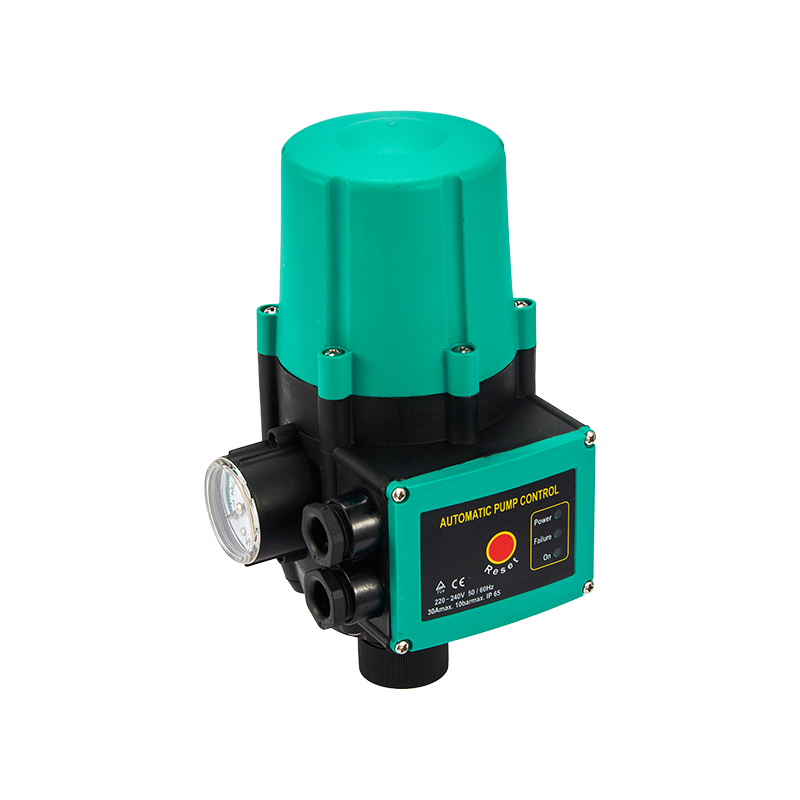
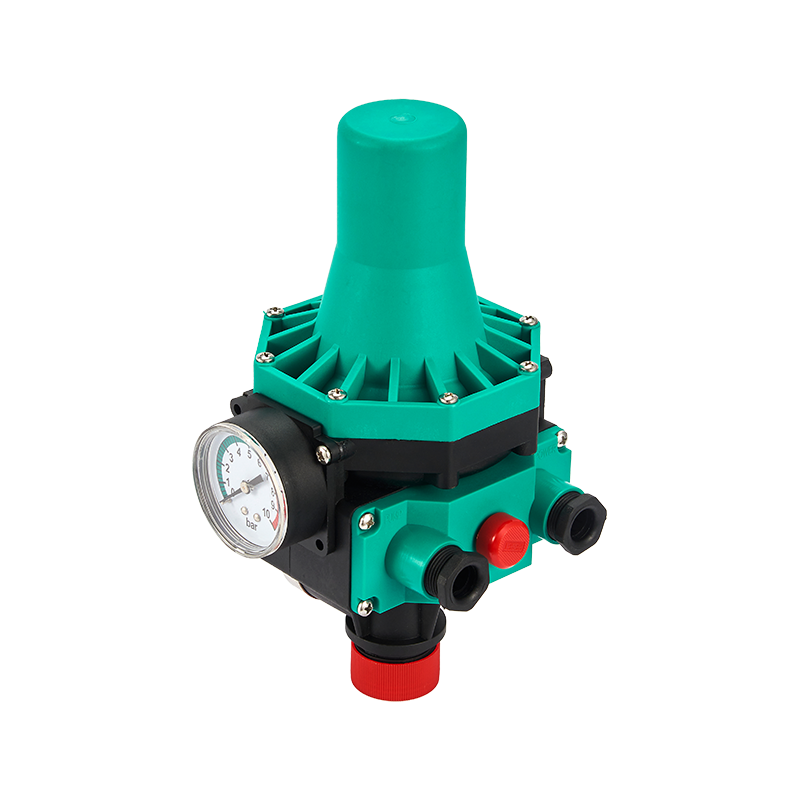
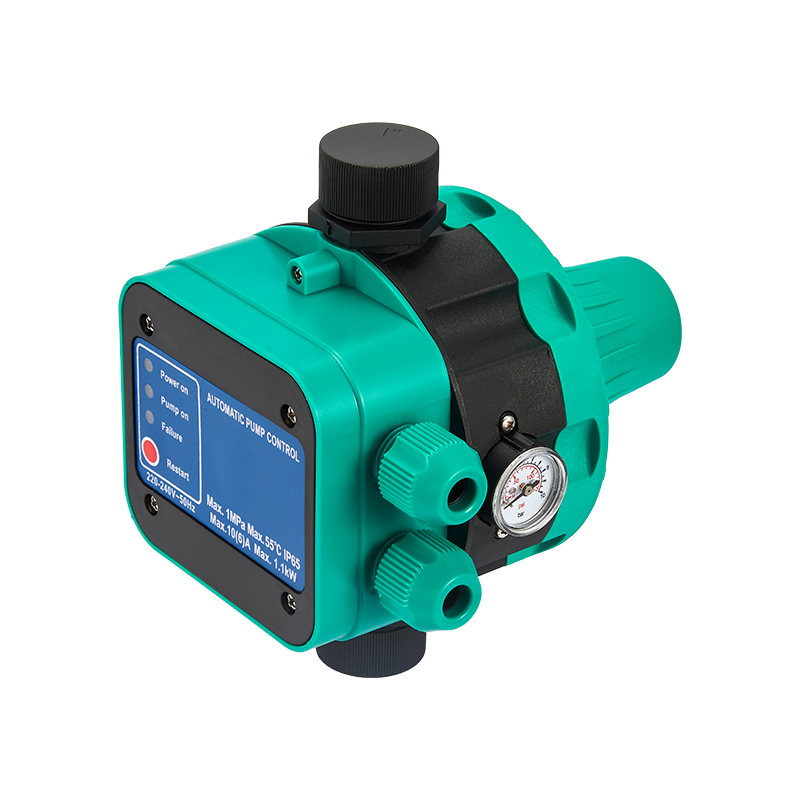
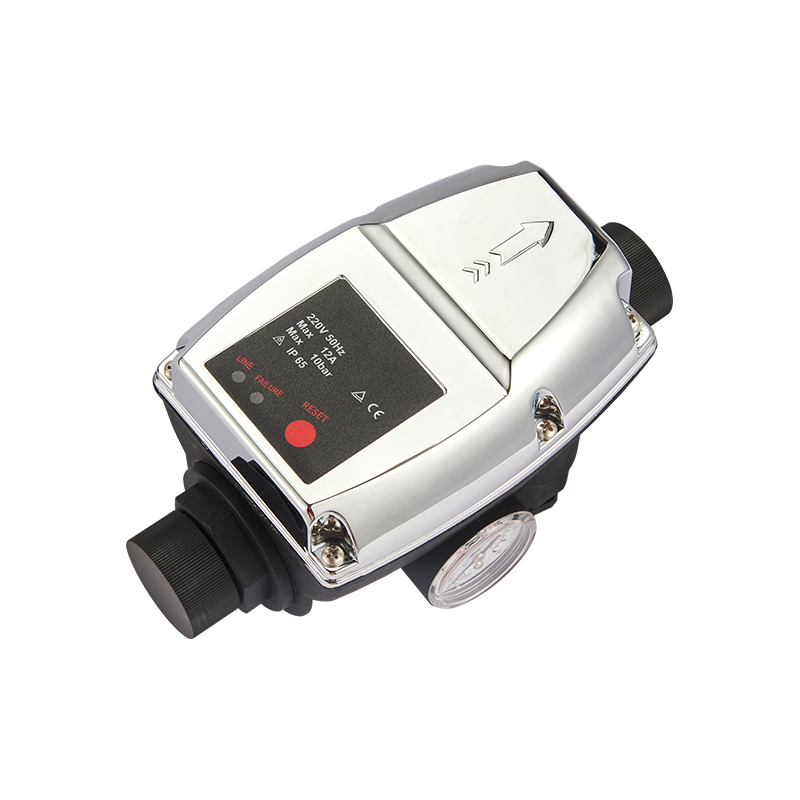
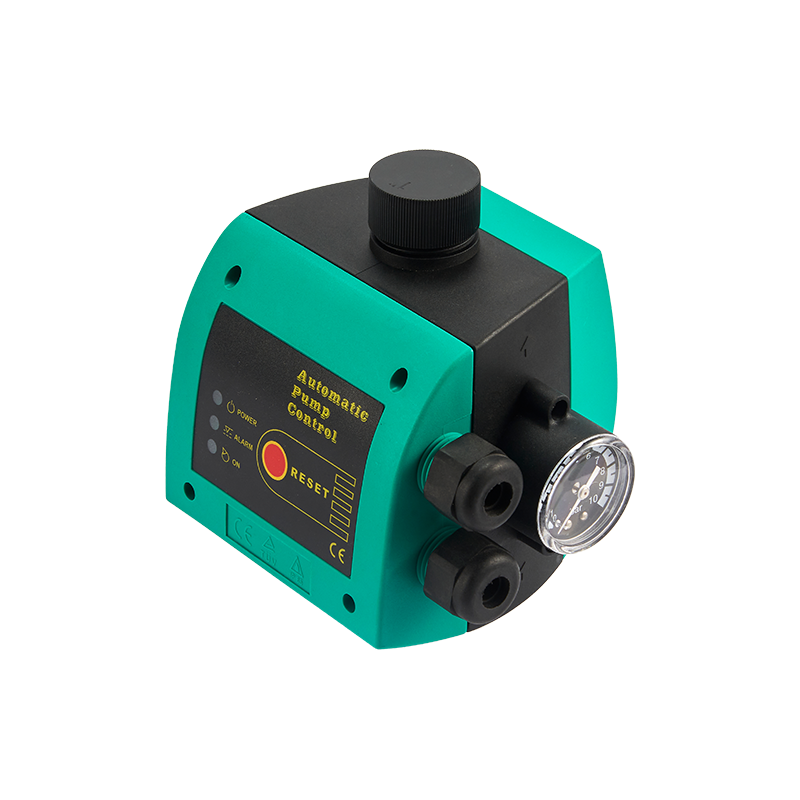
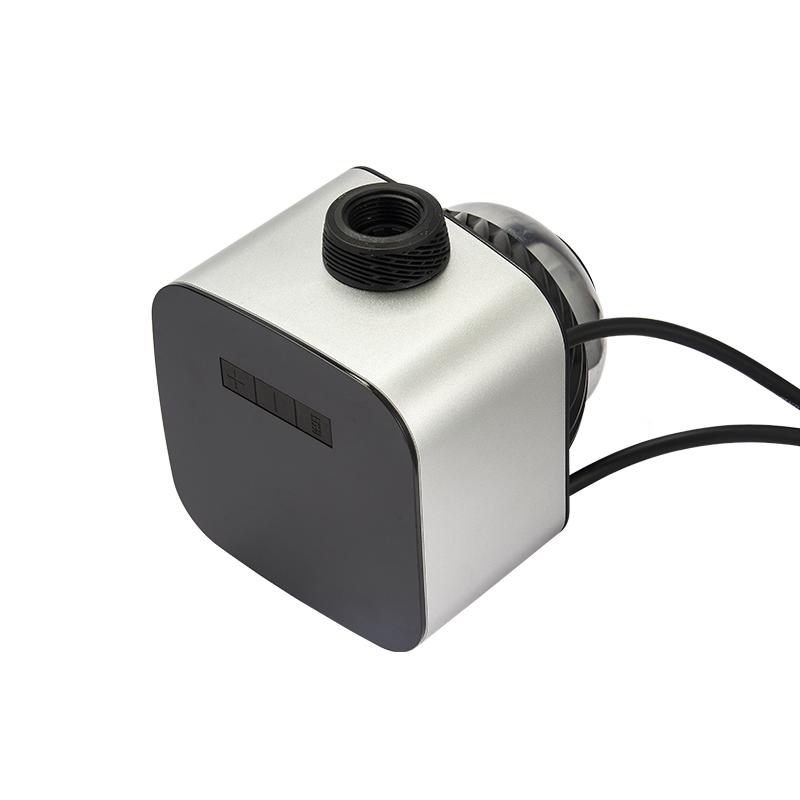
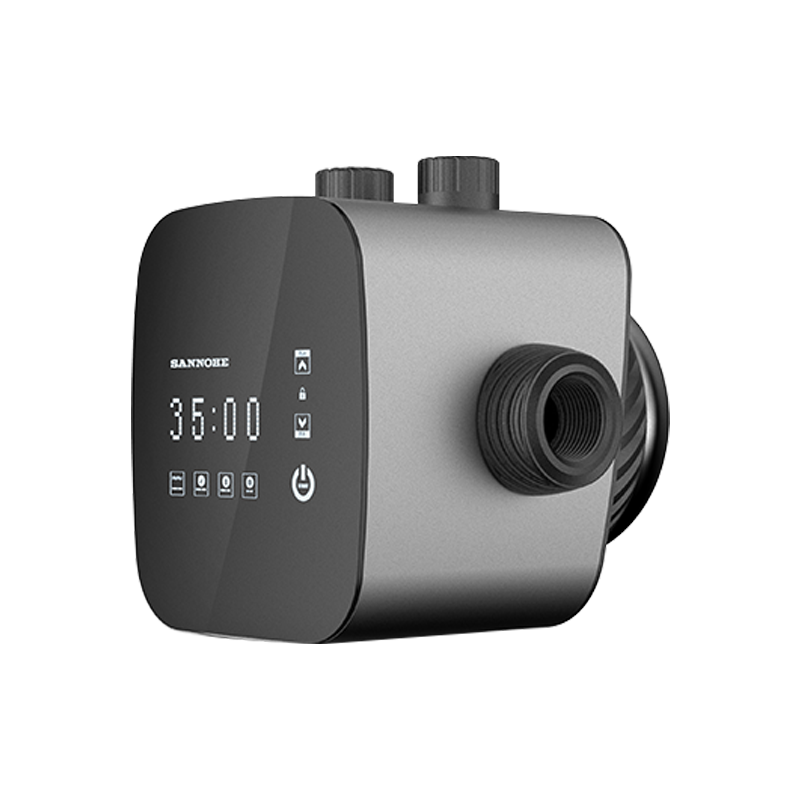
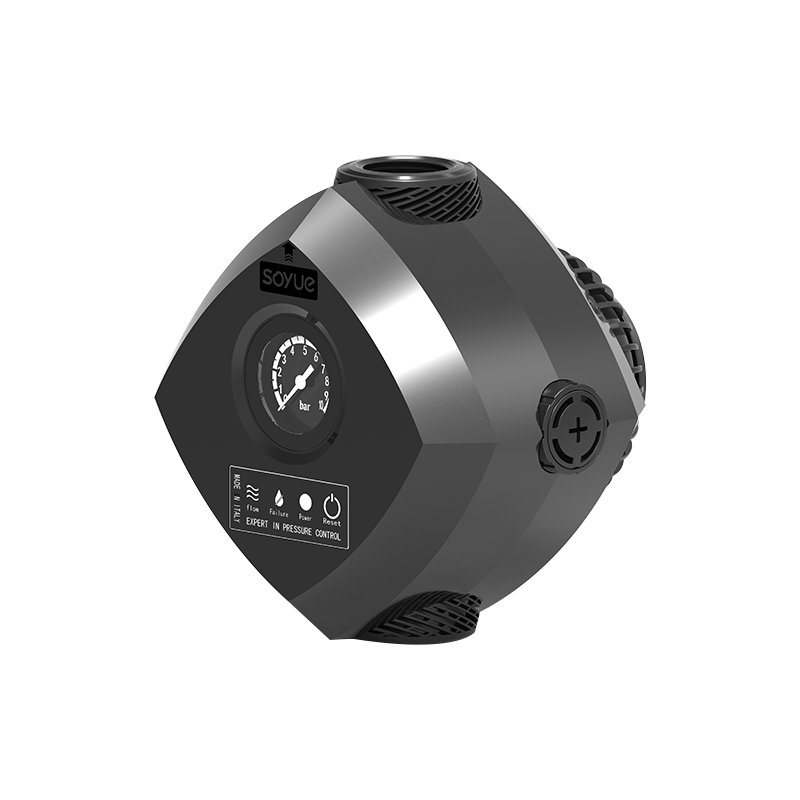
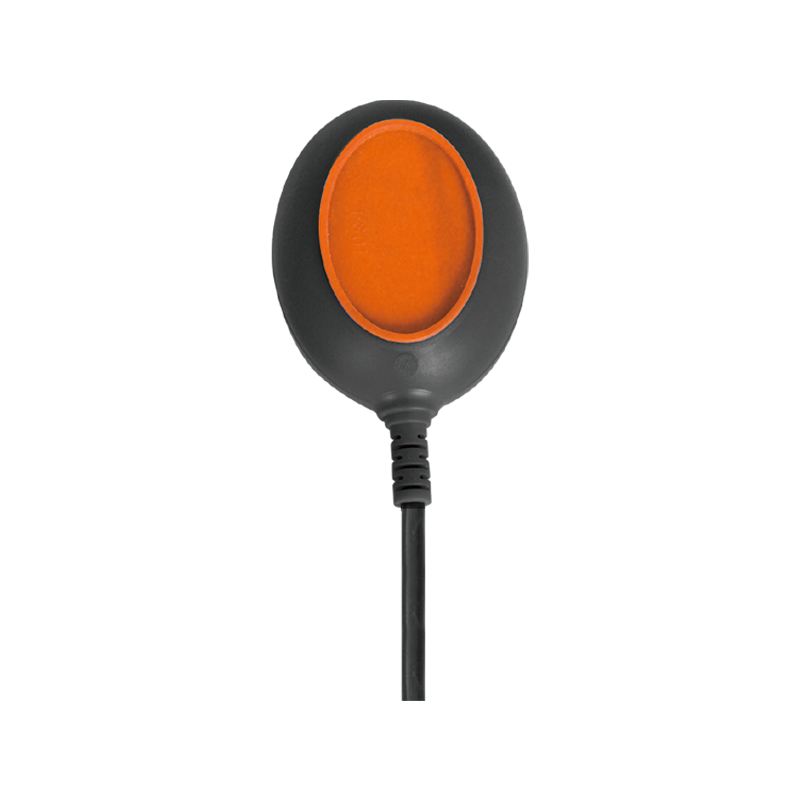
Within the global industrial supply chain, specialized facilities focus on producing the electronic brains that manage the world's pumps: the automatic pump controller factory. These manufacturing plants are dedicated to the design, assembly, testing, and quality assurance of the devices that provid...
Across the diverse applications of fluid movement—from ensuring consistent water supply in high-rise buildings to maintaining precise pressure in industrial processes and agricultural irrigation—the concept of pump automatic pressure control has become a cornerstone of modern system design. This tec...
In systems where water or other fluids are moved under pressure, from residential plumbing and agricultural irrigation to industrial processing and fire suppression, maintaining a precise and stable pressure is often critical. This task falls to a dedicated device: the pump pressure controller. This...

Soyue is an reliable water pump pressure controller manufacturers, with long-term combination of technology and innovation.custom water pump controller.
 No. 1469, Jingsi Road, Jiaojiang Economic Development Zone, Xiachen Street, Jiaojiang District, Taizhou City, Zhejiang.
  +86 - 18605868011
 +86 - 576 - 8906 9898
 +86 - 576 - 8866 5959
 [email protected]
  Leave A Message
 中文简体
中文简体 Español
 русский
 عربى
عربى Türk
Türk