


Across the diverse applications of fluid movement—from ensuring consistent water supply in high-rise buildings to maintaining precise pressure in industrial processes and agricultural irrigation—the concept of pump automatic pressure control has become a cornerstone of modern system design. This technology refers to the integrated use of sensors, controllers, and pump drives to autonomously maintain a desired pressure setpoint within a piping network. Pump automatic pressure control systems eliminate the inefficiencies and equipment stress associated with manual operation or simple on/off cycling, delivering enhanced performance, energy savings, and operational reliability.
The principle behind pump automatic pressure control is closed-loop feedback. A pressure sensor, strategically placed in the system, provides continuous real-time data on the actual line pressure. This signal is fed to an electronic controller, which compares it to a preset target pressure. In a traditional setup, this controller might simply start and stop a fixed-speed pump. However, true pump automatic pressure control is more sophisticated. It typically employs a variable frequency drive that adjusts the pump motor's speed. When demand increases and pressure begins to drop, the controller commands the VFD to increase motor speed, boosting pump output to match the demand and stabilize pressure. Conversely, when demand falls, the motor speed is reduced. This dynamic adjustment is the essence of pump automatic pressure control, ensuring pressure remains constant regardless of how many taps are open or which processes are running.
The benefits of implementing pump automatic pressure control are substantial and multi-faceted. The significant is energy efficiency. By matching pump output precisely to demand, these systems avoid the energy waste of pumps running at full speed against throttled valves or the repeated high-current inrush of frequent starts and stops. This can translate to energy savings of 20% to 50% in variable demand applications. Furthermore, pump automatic pressure control dramatically improves system stability, eliminating pressure surges and water hammer that can damage pipes and fittings. It also extends the lifespan of the pump and motor by reducing mechanical and thermal stress associated with constant-speed operation and hard starts.
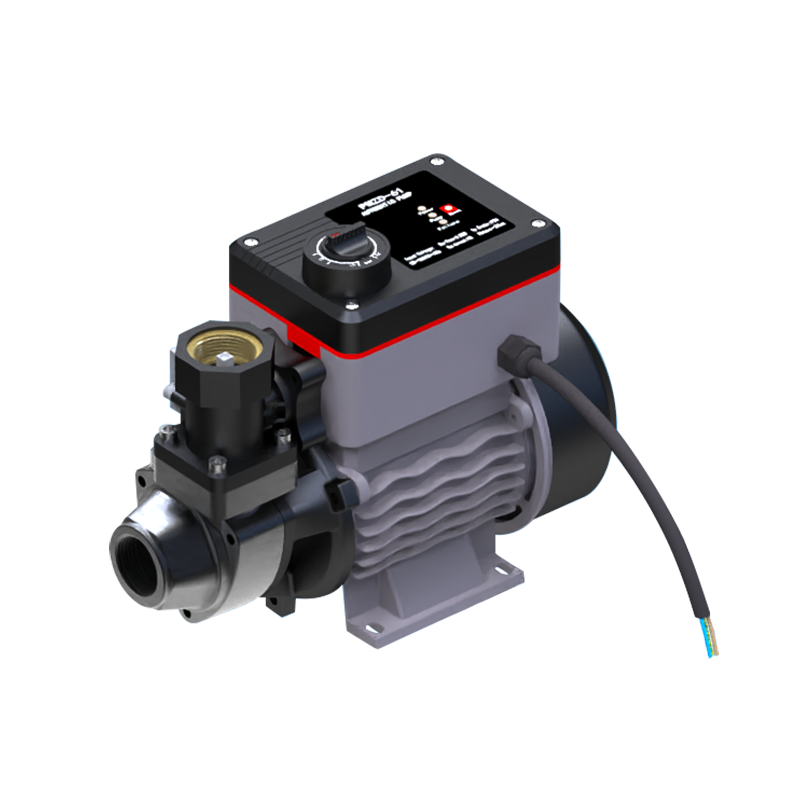
The application of pump automatic pressure control is critical in numerous sectors. In building services, it is the technology behind constant pressure water booster sets that guarantee uniform water flow on every floor. In manufacturing, it ensures precise and consistent pressure for spray nozzles, cleaning systems, and hydraulic circuits. For agriculture, pump automatic pressure control manages irrigation systems efficiently, adapting to the opening and closing of different zones to maintain ideal pressure for emitters or sprinklers. Municipal water networks also utilize this technology to manage distribution pressure and reduce losses.
The evolution of pump automatic pressure control will focus on greater adaptability, predictive capabilities, and integration with renewable energy sources. Future systems may employ more advanced algorithms that learn daily or seasonal usage patterns to pre-optimize pump operation. The integration of additional sensors, like flow meters, will allow for more holistic system management. As the global emphasis on water and energy conservation intensifies, pump automatic pressure control will solidify its role as an indispensable technology, ensuring that fluid systems operate not just automatically, but ideally—delivering reliability, sustainability, and precision through intelligent automation.
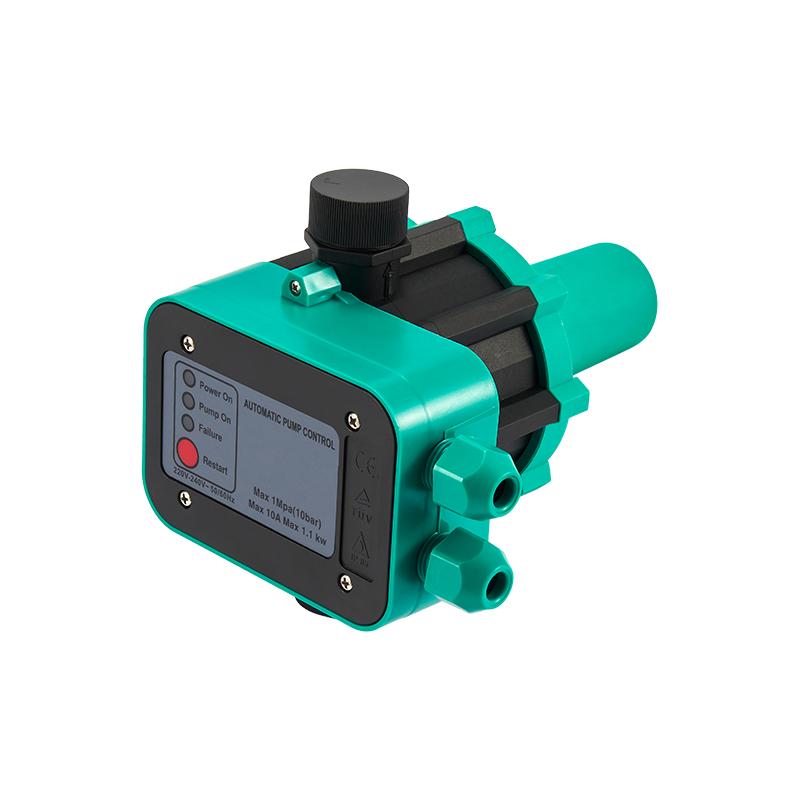
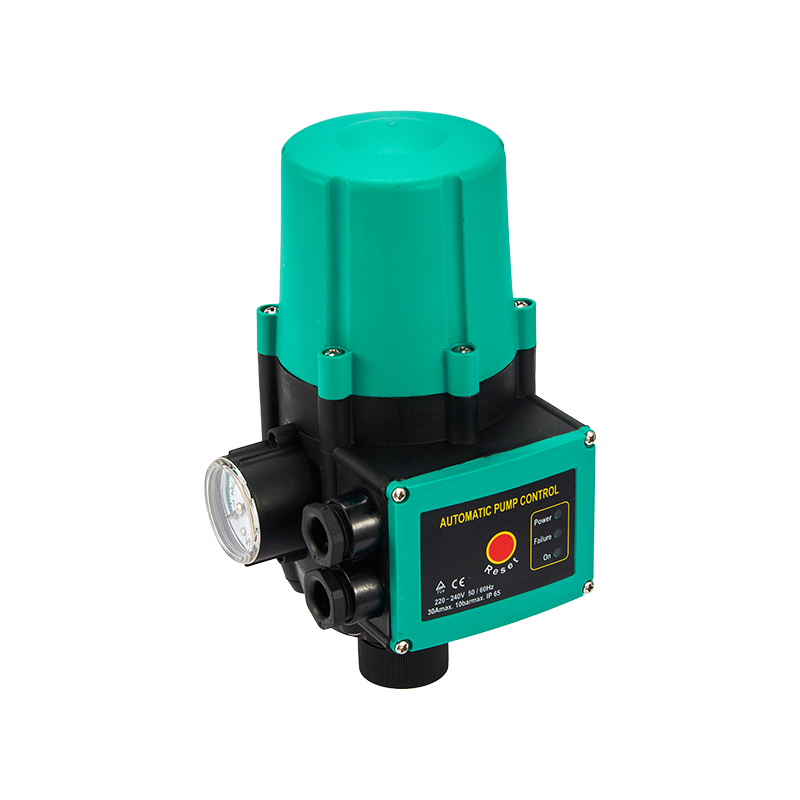
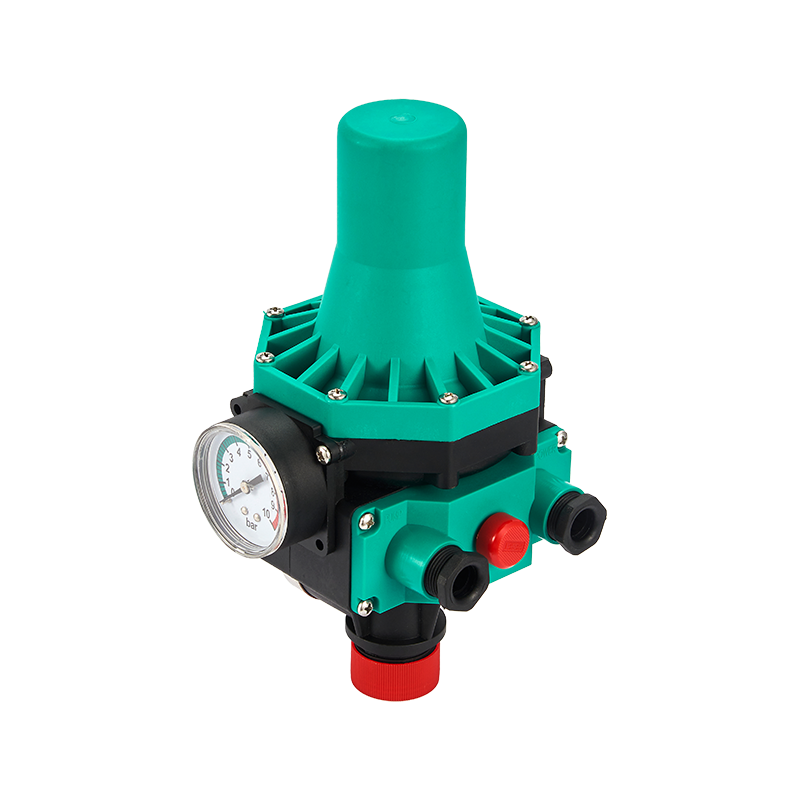
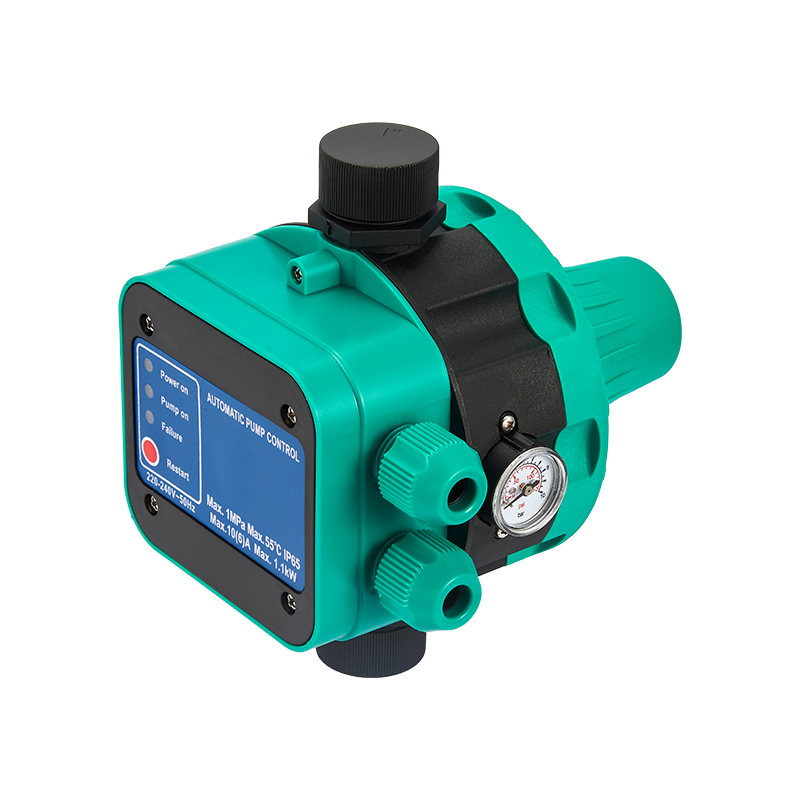
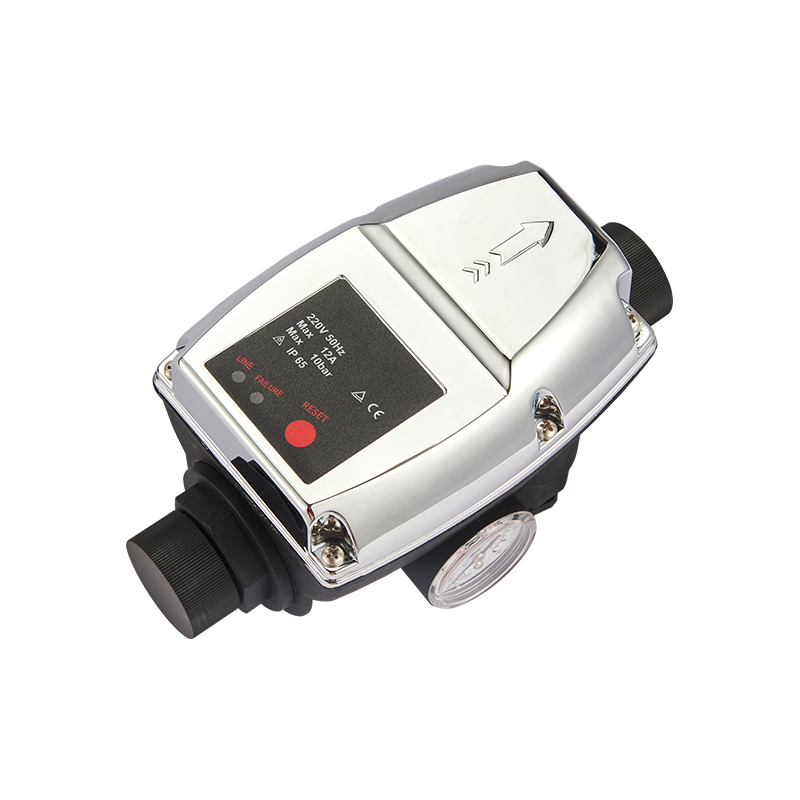
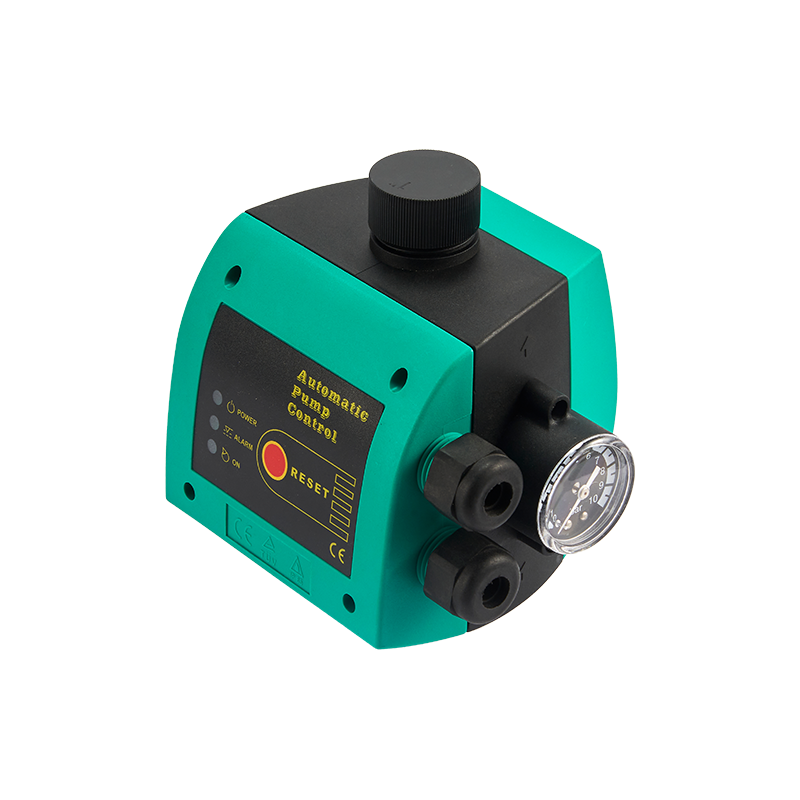
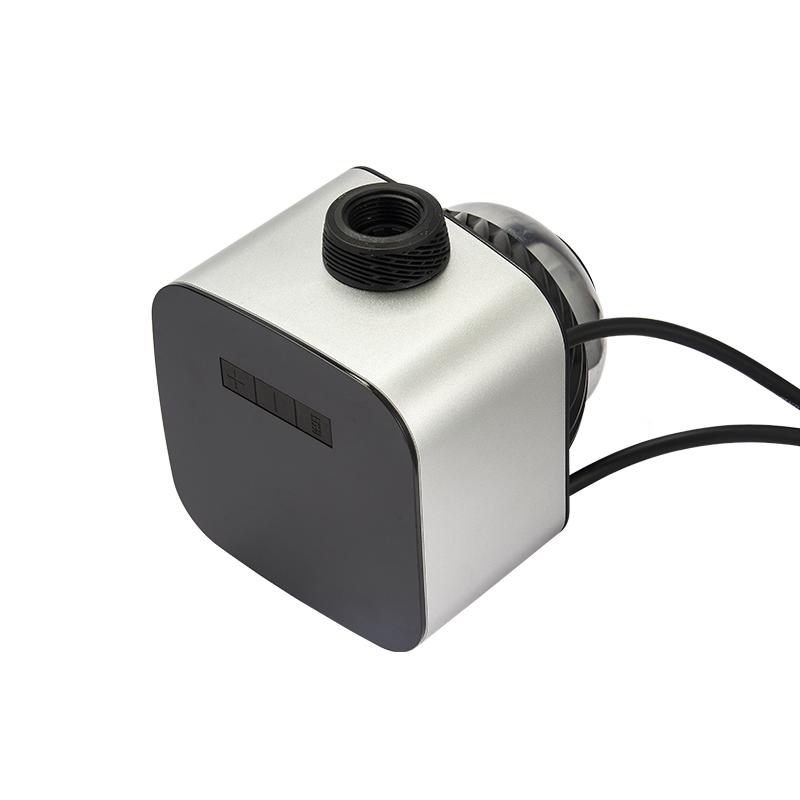
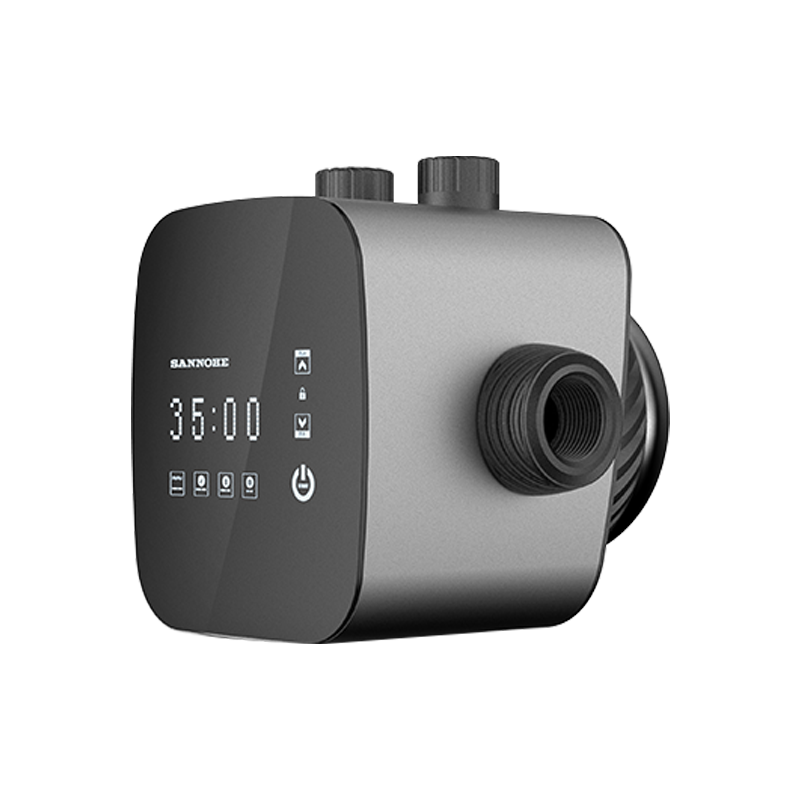
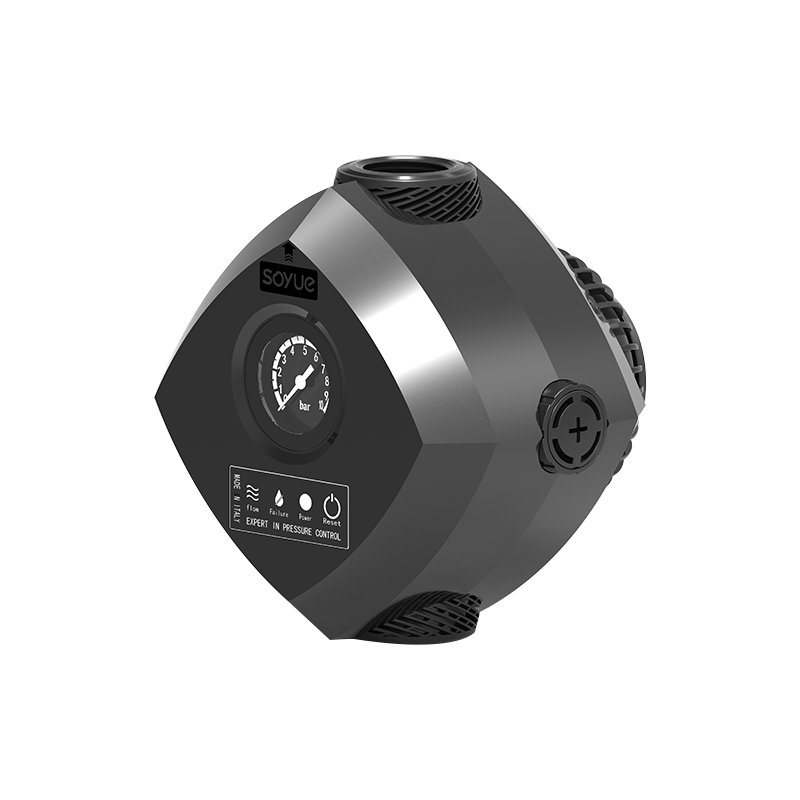
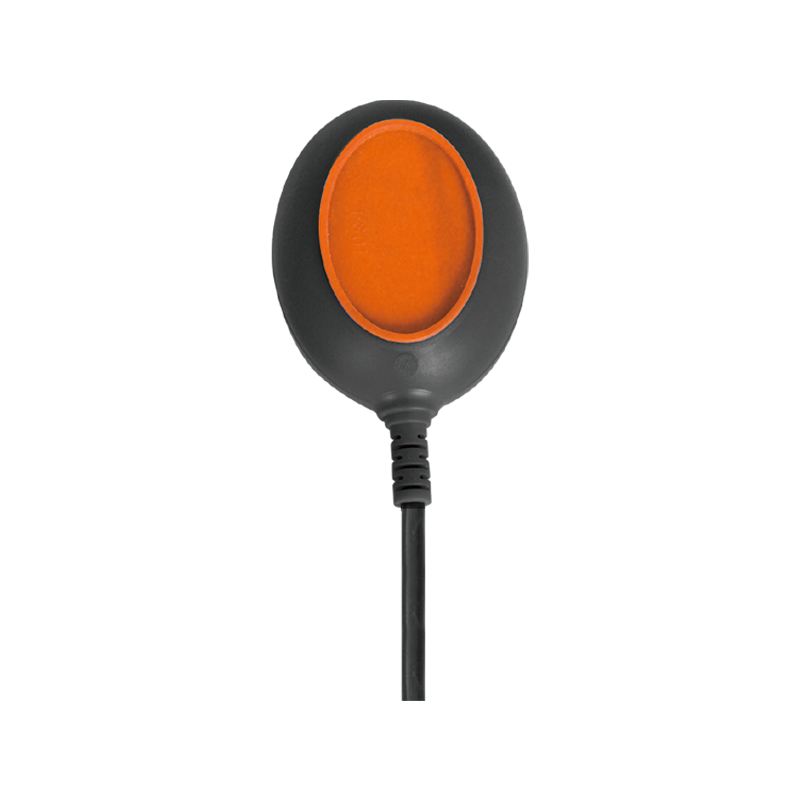
Within the global industrial supply chain, specialized facilities focus on producing the electronic brains that manage the world's pumps: the automatic pump controller factory. These manufacturing plants are dedicated to the design, assembly, testing, and quality assurance of the devices that provid...
Across the diverse applications of fluid movement—from ensuring consistent water supply in high-rise buildings to maintaining precise pressure in industrial processes and agricultural irrigation—the concept of pump automatic pressure control has become a cornerstone of modern system design. This tec...
In systems where water or other fluids are moved under pressure, from residential plumbing and agricultural irrigation to industrial processing and fire suppression, maintaining a precise and stable pressure is often critical. This task falls to a dedicated device: the pump pressure controller. This...

Soyue is an reliable water pump pressure controller manufacturers, with long-term combination of technology and innovation.custom water pump controller.
 No. 1469, Jingsi Road, Jiaojiang Economic Development Zone, Xiachen Street, Jiaojiang District, Taizhou City, Zhejiang.
  +86 - 18605868011
 +86 - 576 - 8906 9898
 +86 - 576 - 8866 5959
 kevin@china-soyue.com
  Leave A Message

 中文简体
中文简体 Español
 русский
 عربى
عربى Türk
Türk