

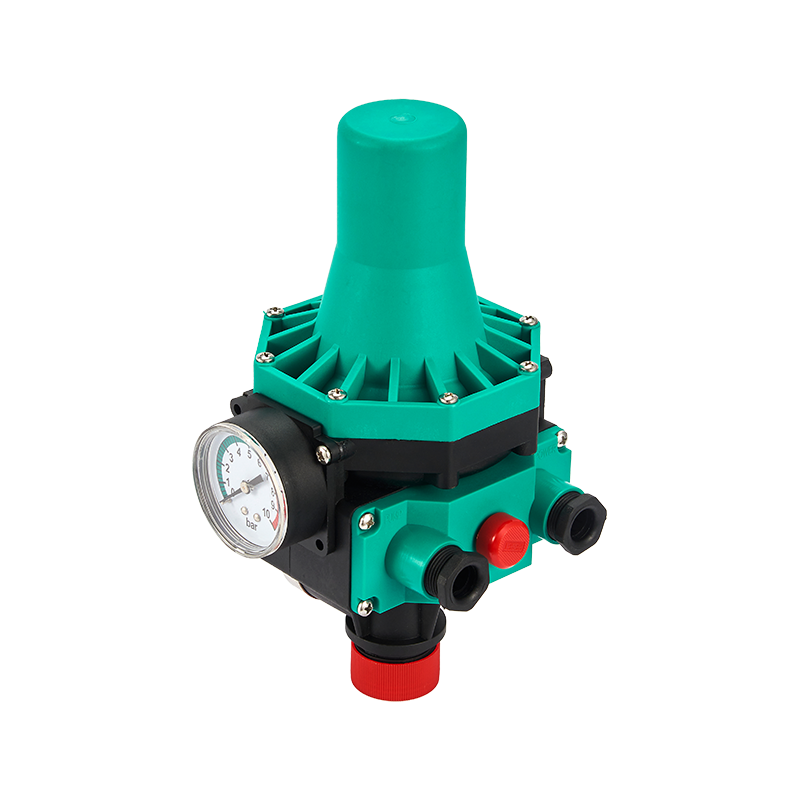
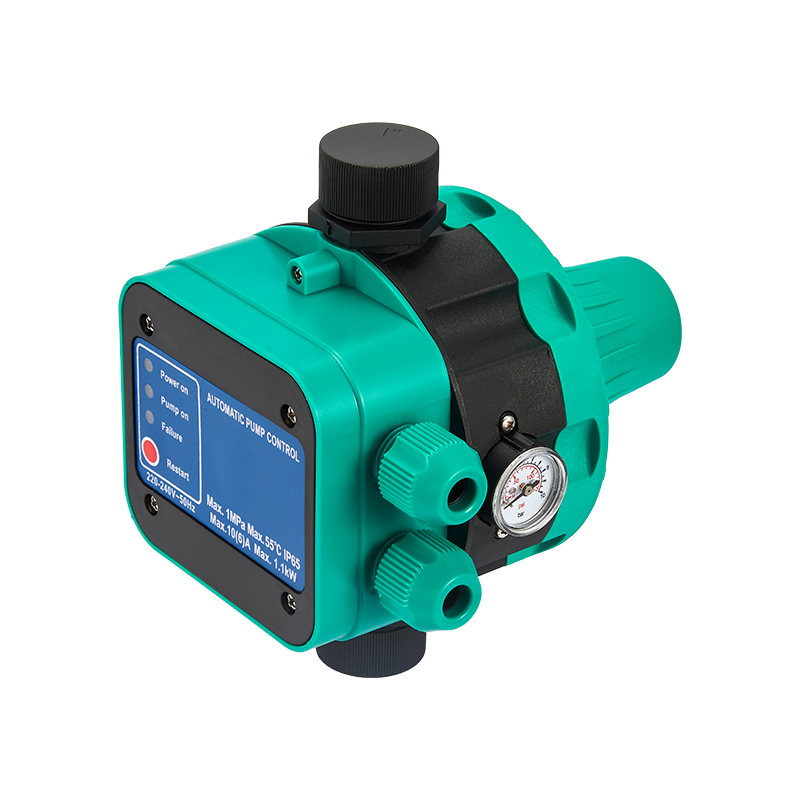
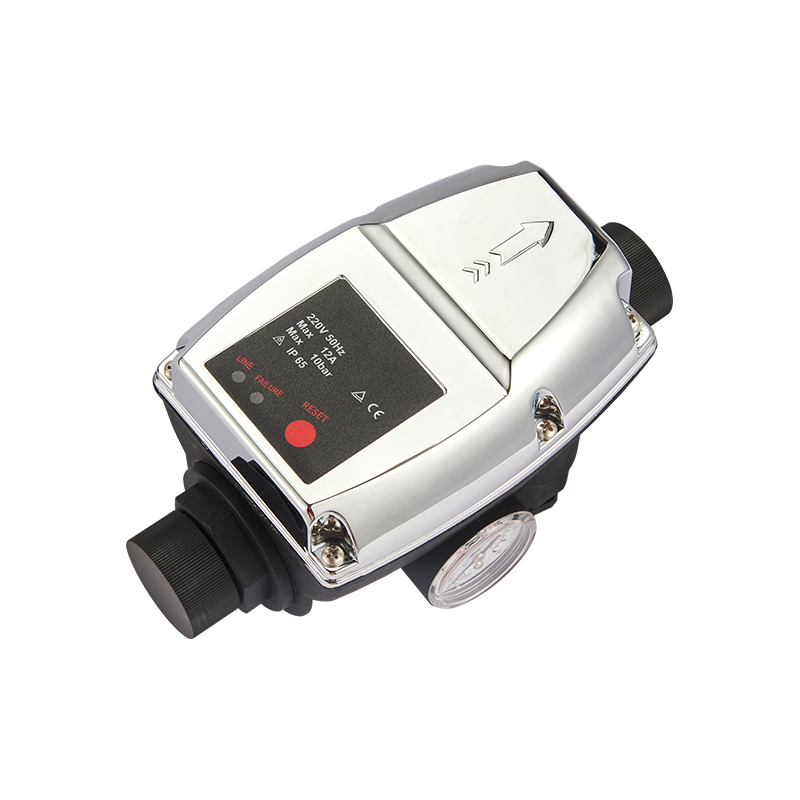
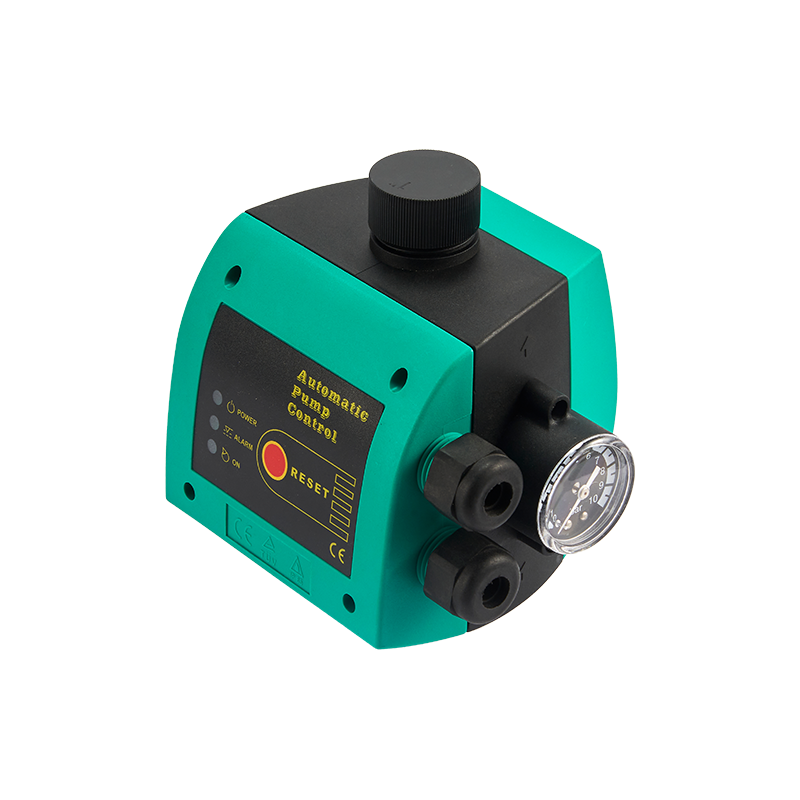
In systems where water or other fluids are moved under pressure, from residential plumbing and agricultural irrigation to industrial processing and fire suppression, maintaining a precise and stable pressure is often critical. This task falls to a dedicated device: the pump pressure controller. This electronic or electromechanical unit acts as the governing intelligence for a pump, continuously monitoring system pressure and issuing commands to start, stop, or modulate the pump's operation to maintain a desired setpoint. The effectiveness of a pump pressure controller directly influences system performance, equipment longevity, energy consumption, and user satisfaction.
The fundamental role of a pump pressure controller is to act as a closed-loop feedback system. It uses a pressure transducer or sensor to provide real-time data on the actual pressure within the piping network. This measured value is constantly compared to a user-defined target pressure. If the measured pressure falls below the setpoint, indicating demand (like an open tap), the pump pressure controller activates the pump. Once pressure is restored and exceeds the setpoint, indicating demand has ceased, the controller deactivates the pump. More advanced versions go beyond simple on/off cycling. A sophisticated pump pressure controller can integrate a variable frequency drive to smoothly adjust the pump motor's speed, providing just enough power to maintain constant pressure regardless of fluctuating flow demands, eliminating pressure spikes and valleys.
The application of a reliable pump pressure controller is essential across numerous sectors. In residential and commercial buildings, it is the key component in constant pressure water booster systems, ensuring consistent water flow to upper floors and all fixtures, even during periods of high simultaneous use. In agriculture, a pump pressure controller manages irrigation systems, maintaining ideal pressure for sprinklers or drip lines across varying terrain and zone sizes. Industrial processes rely on precise pump pressure controller units to maintain critical pressures for chemical dosing, spray applications, or hydraulic machinery. Each application demands that the pump pressure controller be correctly sized and calibrated for the specific pump characteristics and system dynamics.
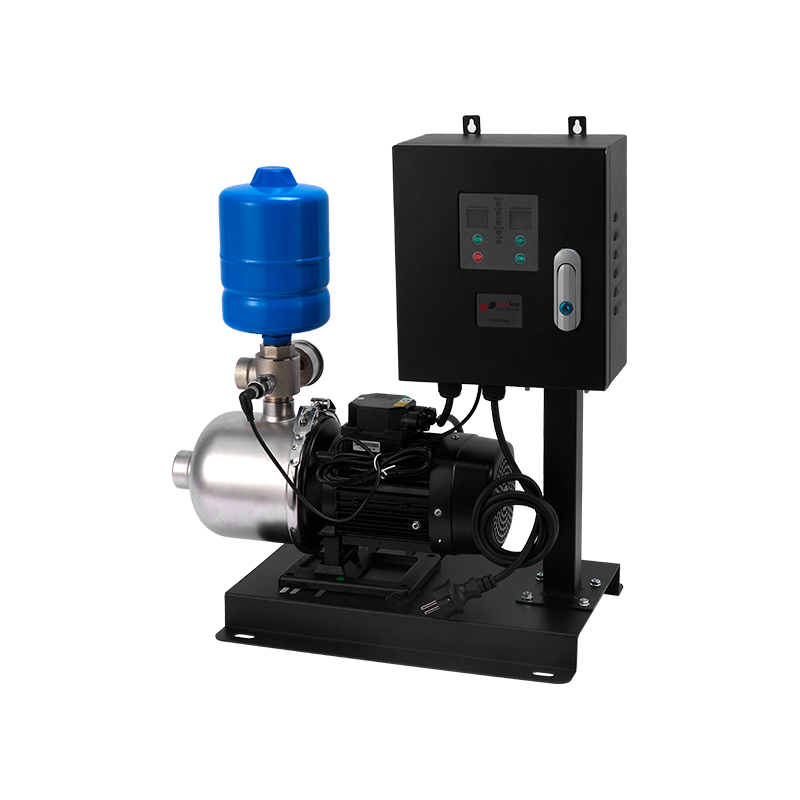
Modern pump pressure controller designs incorporate a host of features that enhance functionality and protection. Key among these are protective functions that safeguard the pump, such as dry-run protection to prevent operation without water, overload protection, and alarms for conditions like prolonged runtime or failure to reach pressure. User interfaces have evolved from simple analog gauges and adjustment screws to digital displays with intuitive menus for setting pressure limits, delay timers, and other parameters. This programmability allows a single pump pressure controller model to be adapted to a wide range of specific system requirements.
Innovation in pump pressure controller technology is focused on greater accuracy, energy efficiency, and predictive capabilities. Future developments may include more adaptive control algorithms that learn usage patterns to preemptively adjust pump operation, further reducing energy use. Integration with flow meters will allow for more comprehensive system management based on both pressure and flow. As the demand for efficient and resilient water and fluid management grows, the pump pressure controller will continue to evolve from a simple switch into an intelligent, connected system optimizer, playing a central role in ensuring that fluid pressure is not just available, but precisely and efficiently controlled.
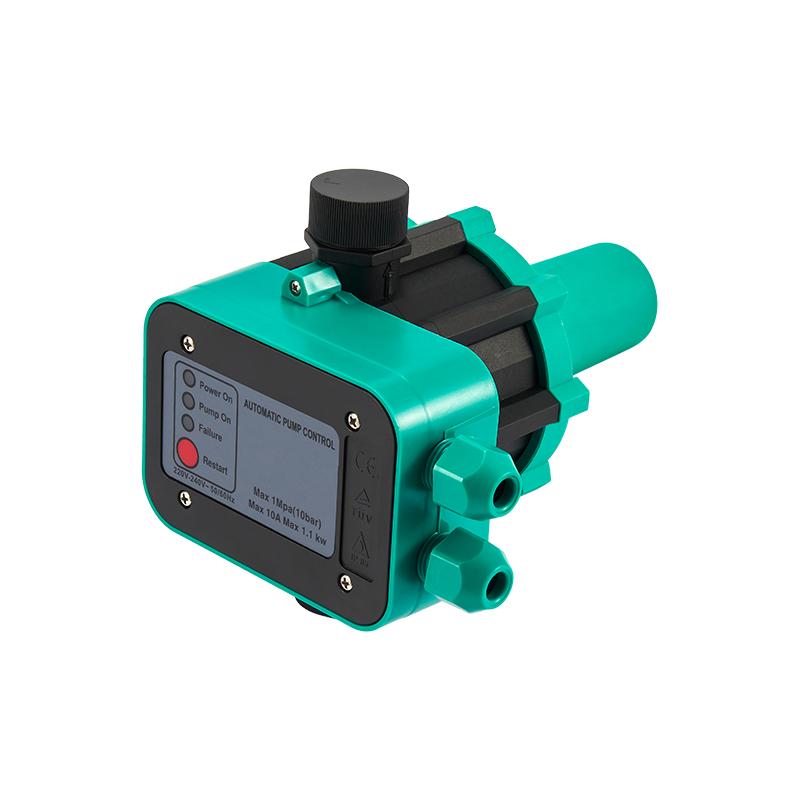
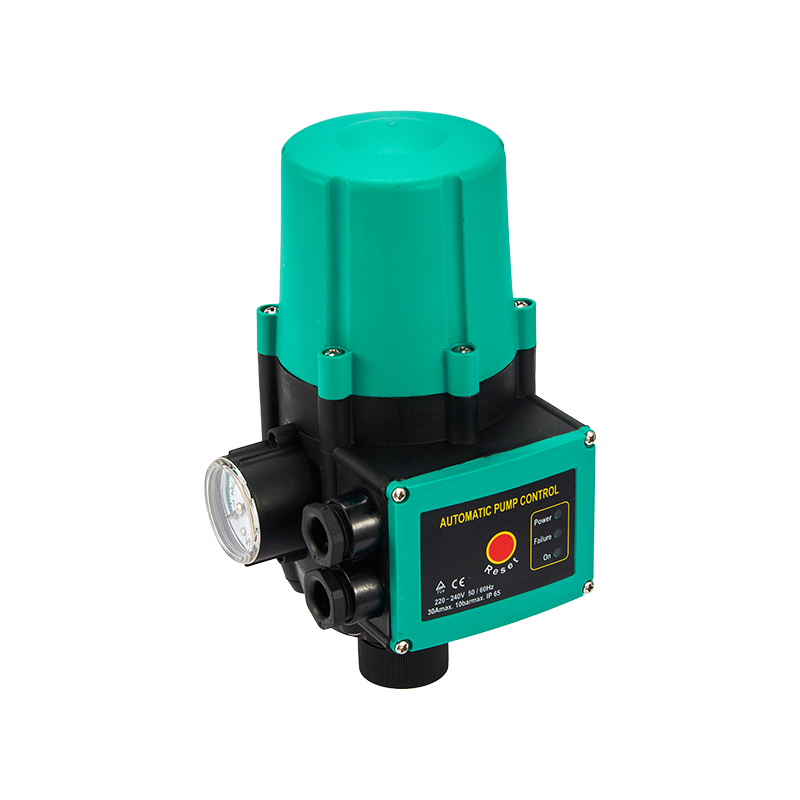
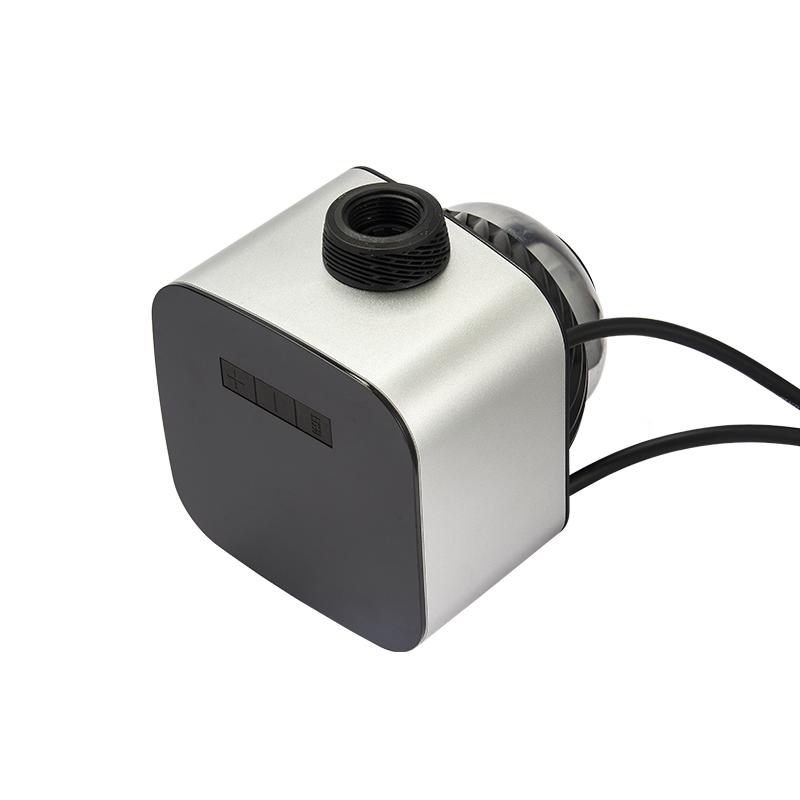
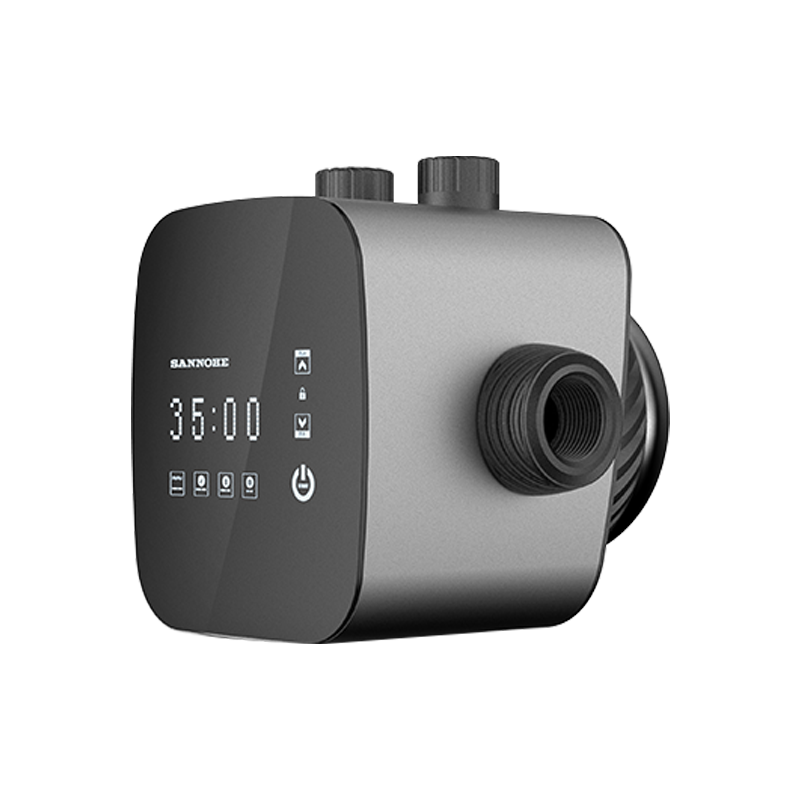
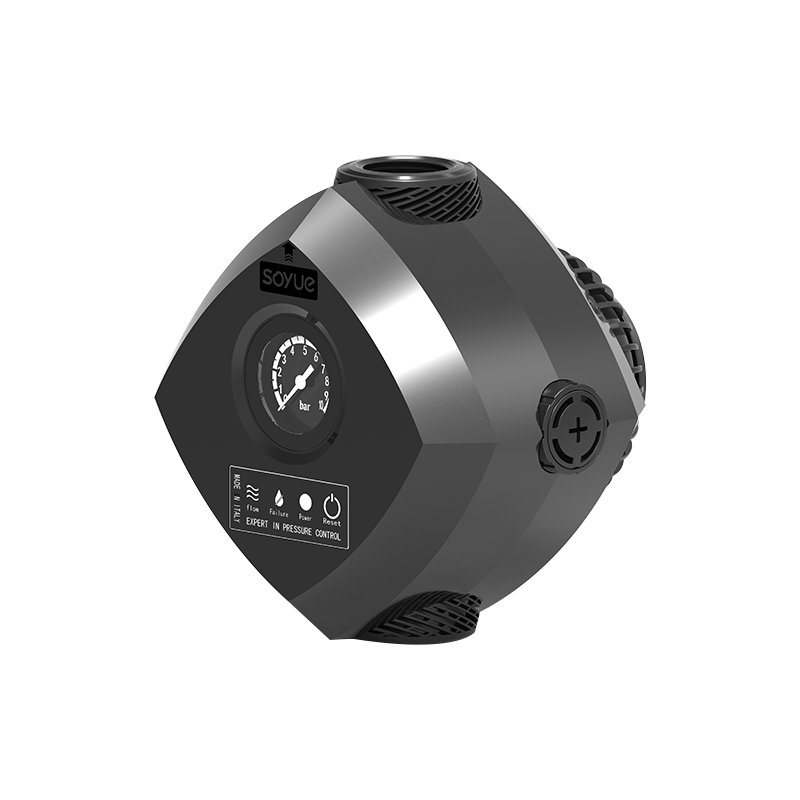
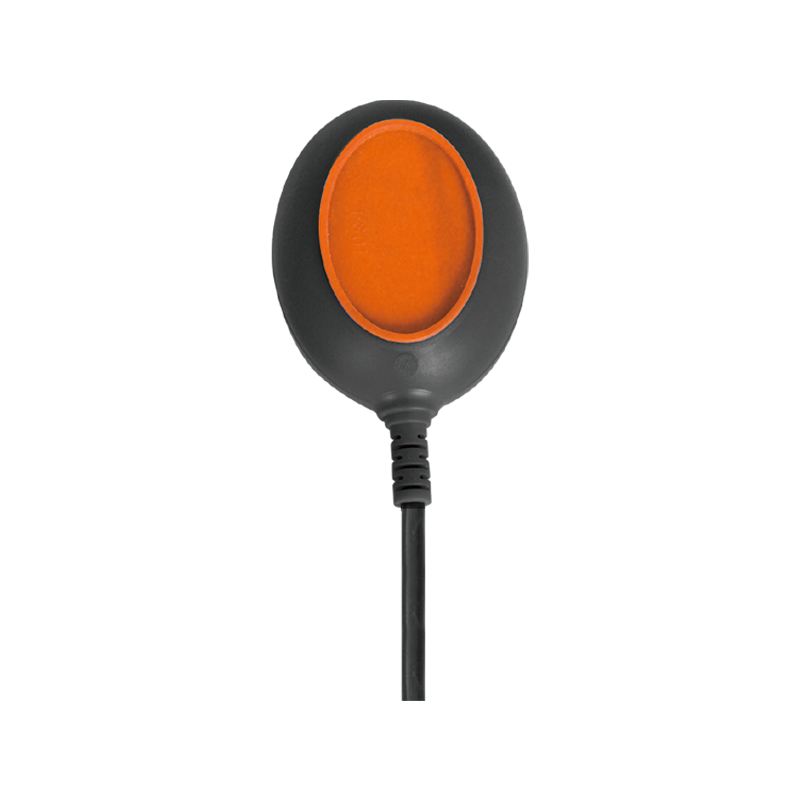
Within the global industrial supply chain, specialized facilities focus on producing the electronic brains that manage the world's pumps: the automatic pump controller factory. These manufacturing plants are dedicated to the design, assembly, testing, and quality assurance of the devices that provid...
Across the diverse applications of fluid movement—from ensuring consistent water supply in high-rise buildings to maintaining precise pressure in industrial processes and agricultural irrigation—the concept of pump automatic pressure control has become a cornerstone of modern system design. This tec...
In systems where water or other fluids are moved under pressure, from residential plumbing and agricultural irrigation to industrial processing and fire suppression, maintaining a precise and stable pressure is often critical. This task falls to a dedicated device: the pump pressure controller. This...

Soyue is an reliable water pump pressure controller manufacturers, with long-term combination of technology and innovation.custom water pump controller.
 No. 1469, Jingsi Road, Jiaojiang Economic Development Zone, Xiachen Street, Jiaojiang District, Taizhou City, Zhejiang.
  +86 - 18605868011
 +86 - 576 - 8906 9898
 +86 - 576 - 8866 5959
 [email protected]
  Leave A Message

 中文简体
中文简体 Español
 русский
 عربى
عربى Türk
Türk