

Across agricultural irrigation, municipal water supply, building services, and industrial processes, the reliable movement of water is a fundamental requirement. While the pump provides the mechanical force, its efficiency, protection, and responsiveness are governed by a critical electronic device: the water pump controller. This unit serves as the command center for pump operation, transitioning from simple on/off switching to sophisticated systems that manage performance, prevent damage, and optimize energy use. The evolution of the water pump controller reflects a broader shift toward intelligent, automated, and efficient management of one of our vital resources.
The core function of a water pump controller is to regulate the operation of an electric pump motor based on system demand and predefined parameters. At its basic, a water pump controller might be a pressure switch that starts the pump when pressure drops and stops it when a set point is reached, common in domestic well systems. However, modern water pump controller technology is vastly more capable. It incorporates logic to manage multiple pumps in a sequence, provide soft starting to reduce electrical and mechanical stress, and offer comprehensive protection against faults like dry running, overload, phase loss, and voltage imbalance. This protection is crucial for extending pump life and preventing costly failures.
A significant advancement in water pump controller technology is the integration of variable frequency drive functionality. A VFD-based water pump controller does not merely start and stop the pump; it precisely varies the motor speed by adjusting the frequency and voltage of the electrical power supplied. This allows the pump's output to match the exact flow and pressure demand in real time. In applications like building HVAC systems or municipal water networks where demand fluctuates, a VFD water pump controller can achieve dramatic energy savings—often 30% or more—compared to a pump running at a constant speed with flow controlled by throttling valves. This makes the intelligent water pump controller a key tool for sustainability and cost reduction.
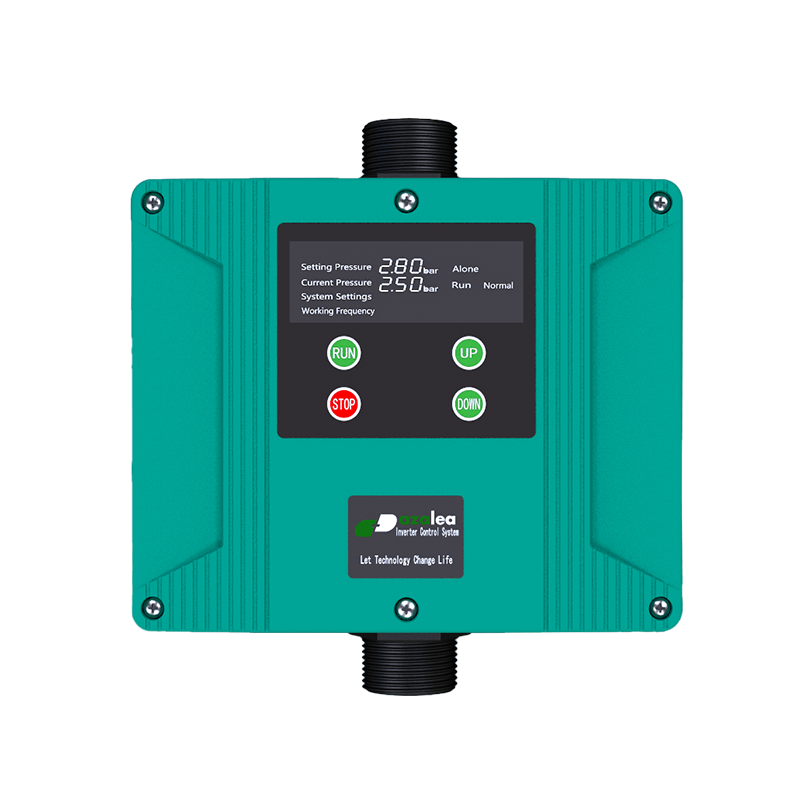
The application of advanced water pump controller systems is broad and impactful. In agriculture, they enable precise irrigation scheduling and pressure management across different zones. In commercial buildings, they ensure constant water pressure on upper floors while small energy use. For industrial plants, a robust water pump controller manages critical cooling water or process fluid transfer with high reliability. Furthermore, modern water pump controller units often feature user interfaces, from simple dials and LEDs to full graphical displays and keypads, allowing for easy configuration, monitoring of operating parameters, and diagnostics.
Innovation in water pump controller technology will focus on greater intelligence, resilience, and ease of use. Developments include more sophisticated algorithms that can learn usage patterns and optimize pump schedules accordingly, enhanced cybersecurity features for connected devices, and the integration of solar power management for off-grid irrigation systems. As water scarcity and energy costs remain pressing global concerns, the role of the water pump controller as the intelligent, optimizing brain of fluid systems will only grow in importance. It is the critical component that ensures water is delivered not just reliably, but also efficiently and sustainably, meeting the complex demands of the modern world.
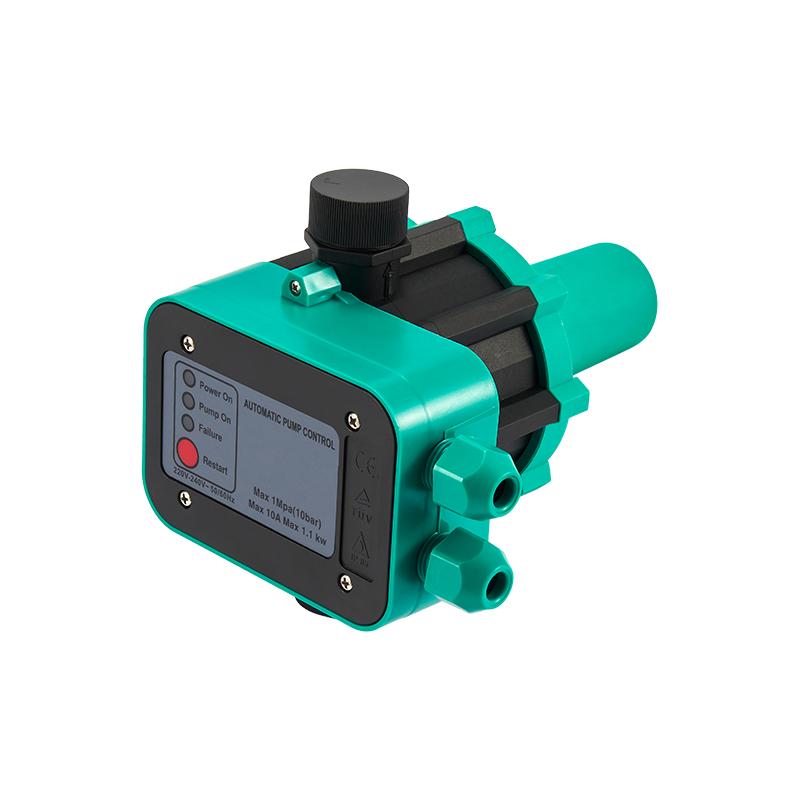
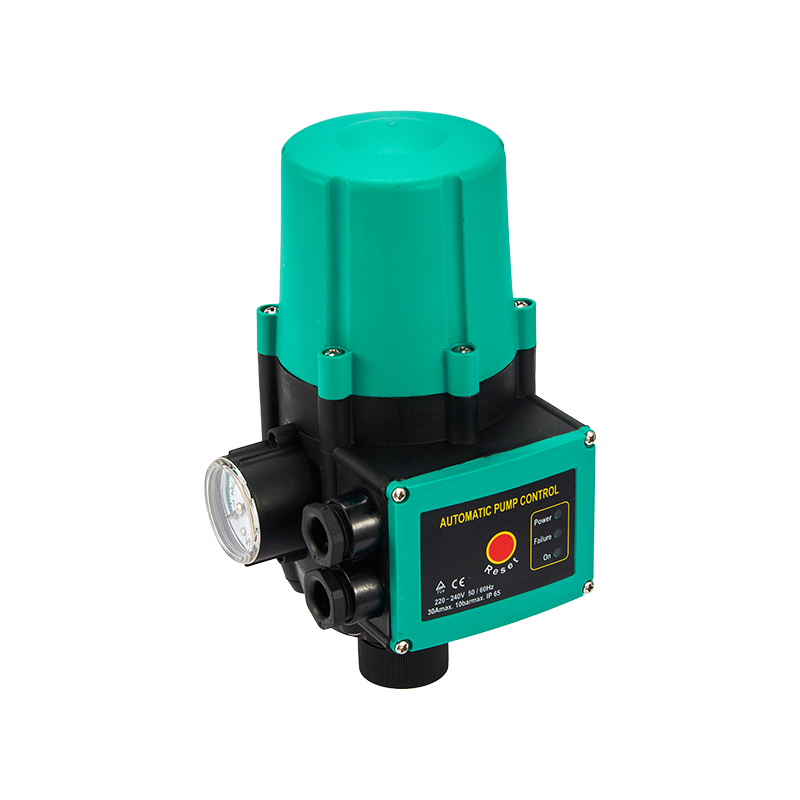
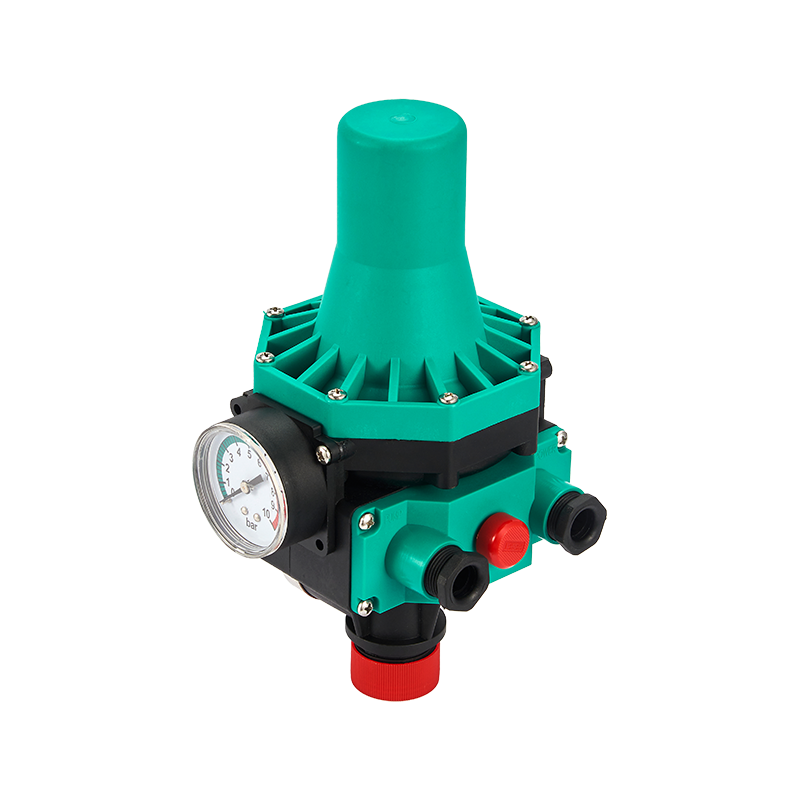
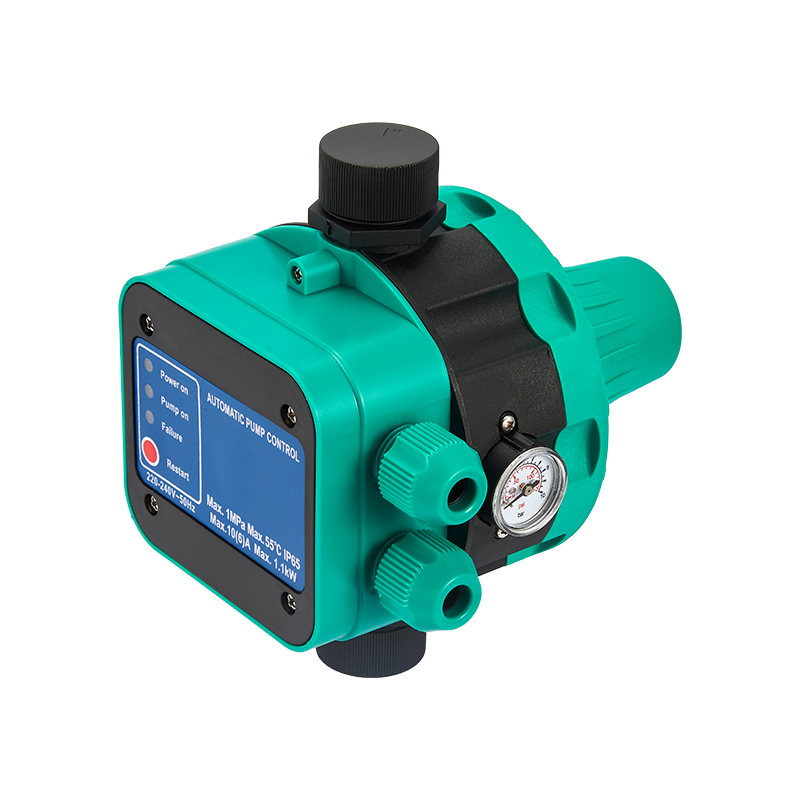
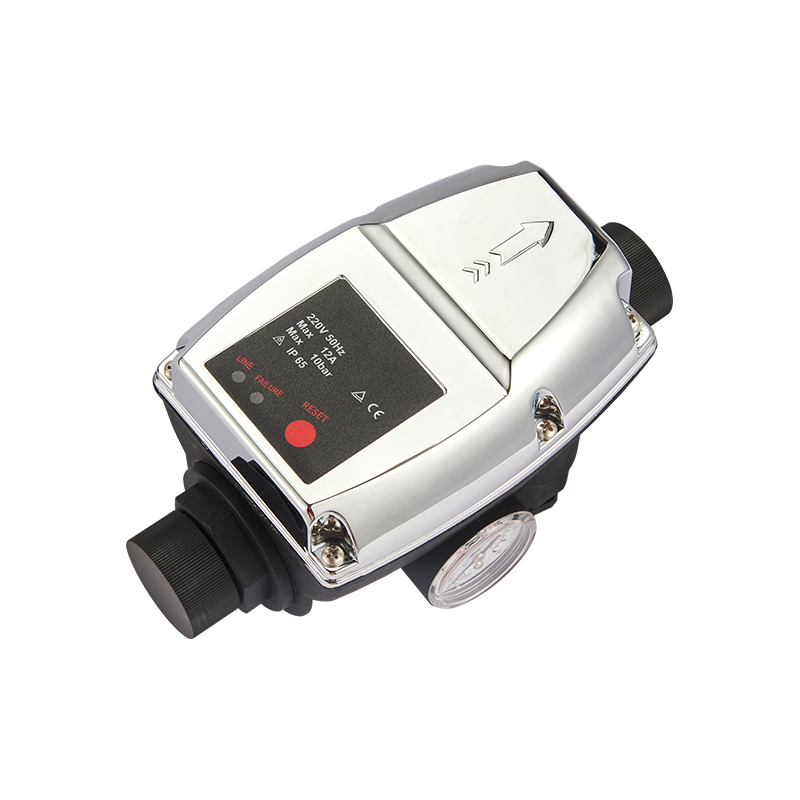
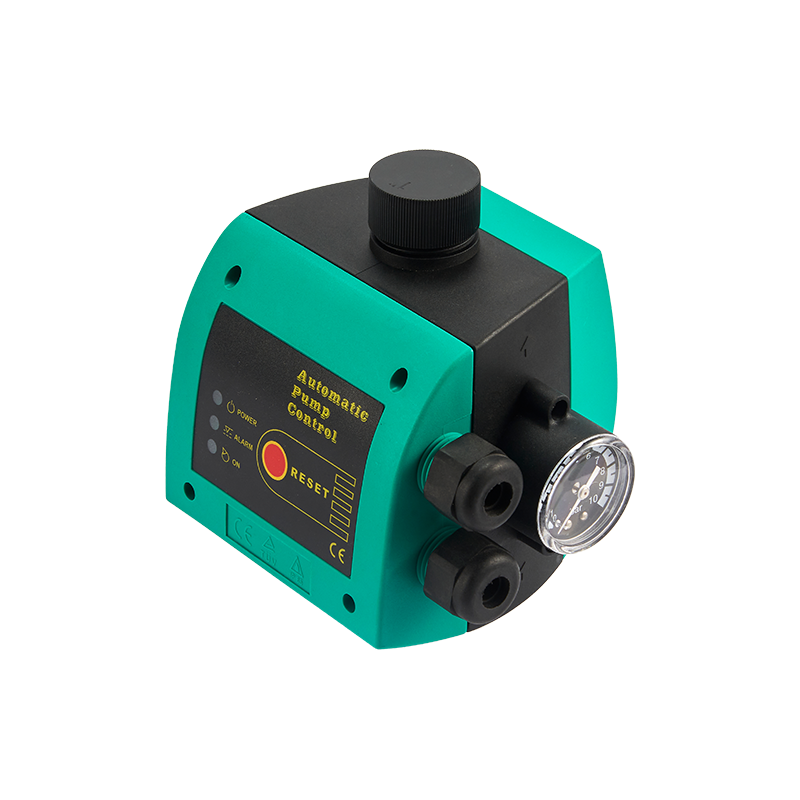
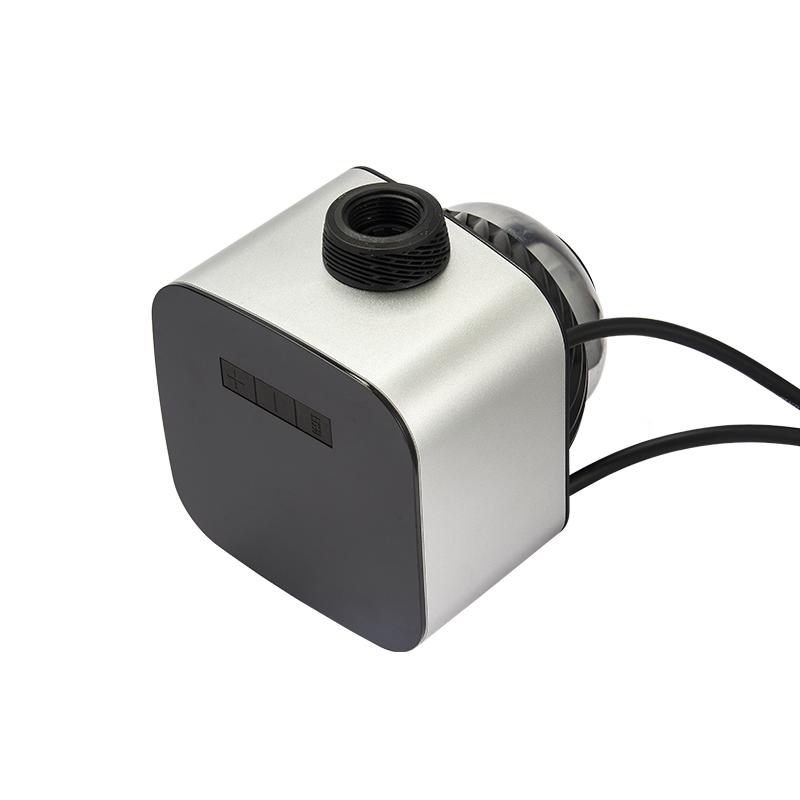
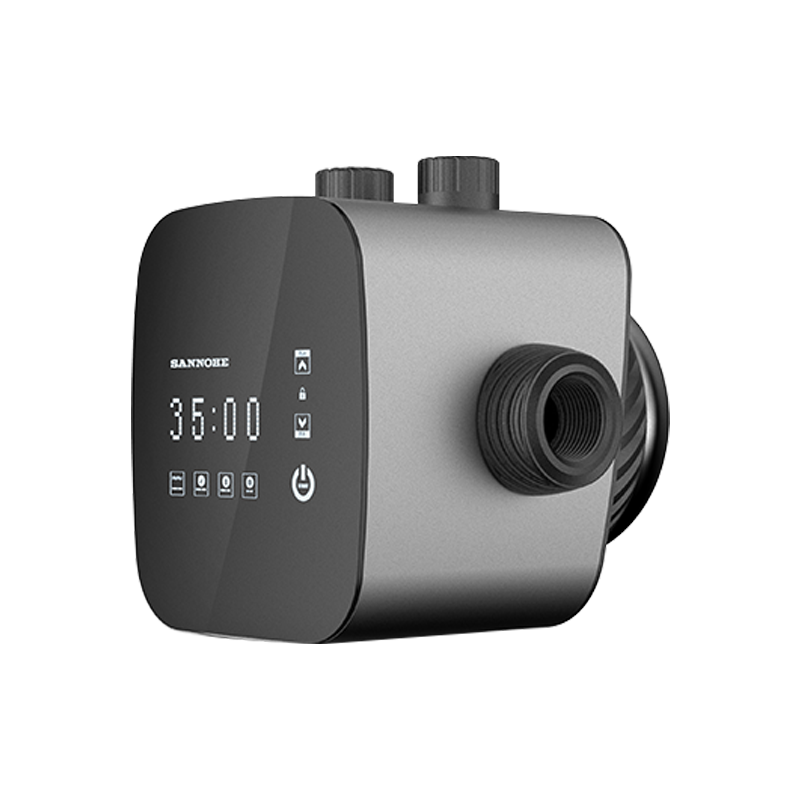
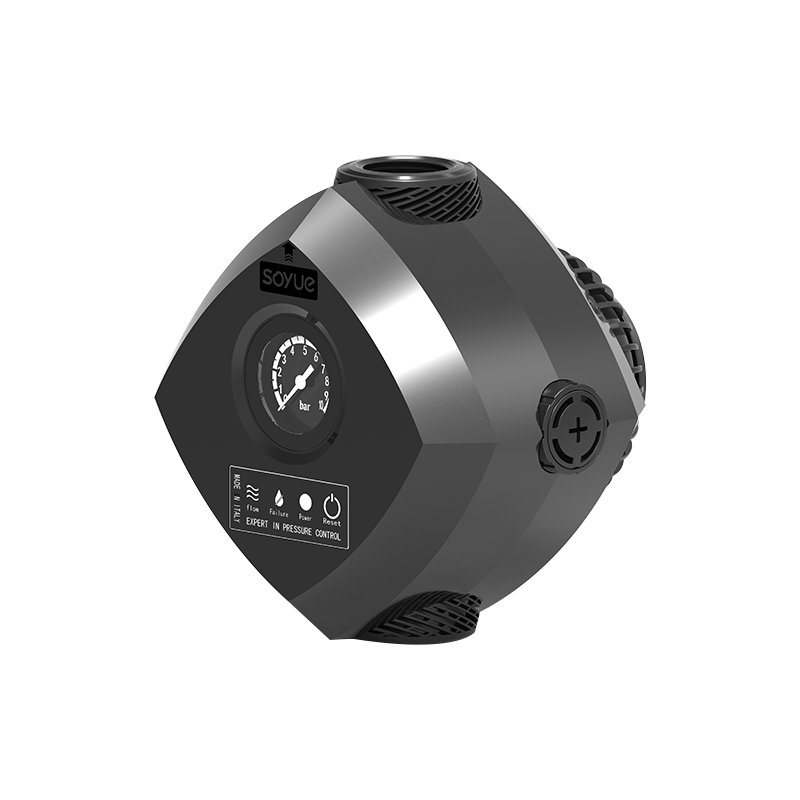
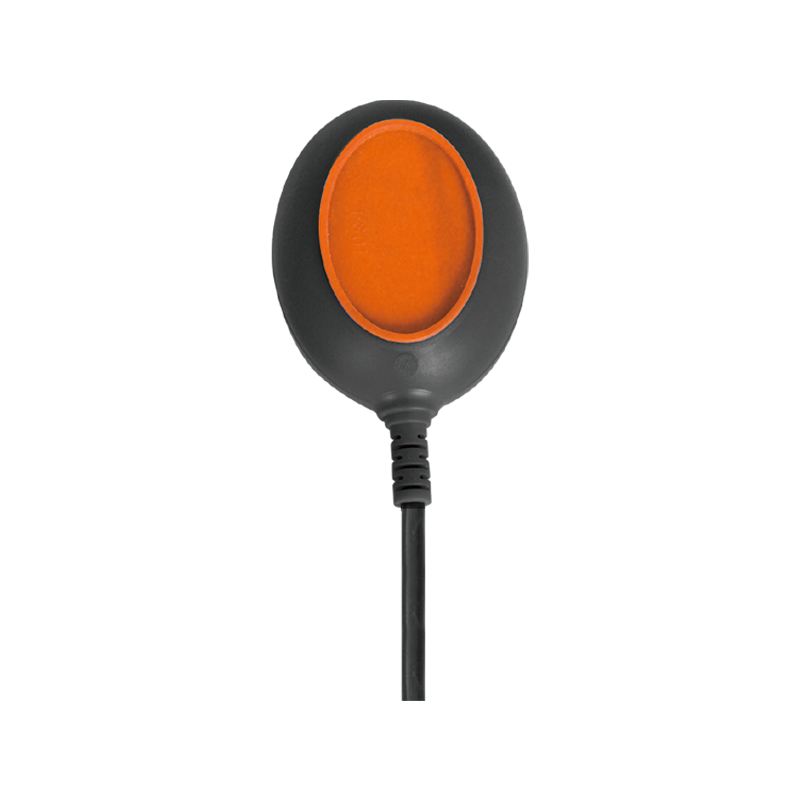
Within the global industrial supply chain, specialized facilities focus on producing the electronic brains that manage the world's pumps: the automatic pump controller factory. These manufacturing plants are dedicated to the design, assembly, testing, and quality assurance of the devices that provid...
Across the diverse applications of fluid movement—from ensuring consistent water supply in high-rise buildings to maintaining precise pressure in industrial processes and agricultural irrigation—the concept of pump automatic pressure control has become a cornerstone of modern system design. This tec...
In systems where water or other fluids are moved under pressure, from residential plumbing and agricultural irrigation to industrial processing and fire suppression, maintaining a precise and stable pressure is often critical. This task falls to a dedicated device: the pump pressure controller. This...

Soyue is an reliable water pump pressure controller manufacturers, with long-term combination of technology and innovation.custom water pump controller.
 No. 1469, Jingsi Road, Jiaojiang Economic Development Zone, Xiachen Street, Jiaojiang District, Taizhou City, Zhejiang.
  +86 - 18605868011
 +86 - 576 - 8906 9898
 +86 - 576 - 8866 5959
 [email protected]
  Leave A Message

 中文简体
中文简体 Español
 русский
 عربى
عربى Türk
Türk