


The integration and sophistication of automatic pump control systems are becoming increasingly central to operations across water management, industrial processing, and building services. Moving beyond basic on/off switches, modern automatic pump control represents a comprehensive approach to managing pump operation through electronic intelligence. This evolution focuses on optimizing energy consumption, ensuring consistent system performance, extending equipment lifespan, and providing valuable operational data, thereby transforming pump stations from simple utilities into responsive, efficient assets.
At the heart of modern automatic pump control is the principle of demand-based operation. Traditional systems often rely on mechanical pressure switches for simple cycling. In contrast, contemporary automatic pump control frequently utilizes variable frequency drives and an array of sensors. This setup allows the automatic pump control system to continuously monitor parameters like pressure, flow, or tank level. The system's logic then adjusts the pump's speed in real-time to match the exact demand. This method of automatic pump control eliminates the energy waste associated with pumps running at constant speed against throttled valves or frequent start-stop cycles, pilot to substantial reductions in electricity use, particularly in systems with variable loads.
The application of sophisticated automatic pump control is widespread and critical. In municipal water and wastewater networks, automatic pump control manages lifting stations and distribution pumps, ensuring stable pressure and flow while responding to diurnal demand patterns. For commercial and residential buildings, automatic pump control systems govern water pressure boosting, heating and cooling circulation, and fire suppression pump sets. In industrial settings, whether for chemical dosing, cooling water circuits, or process transfer, precise automatic pump control is essential for maintaining consistent production parameters and preventing disruptions. In agriculture, automatic pump control enables efficient irrigation scheduling based on time or sensor feedback, conserving water resources.
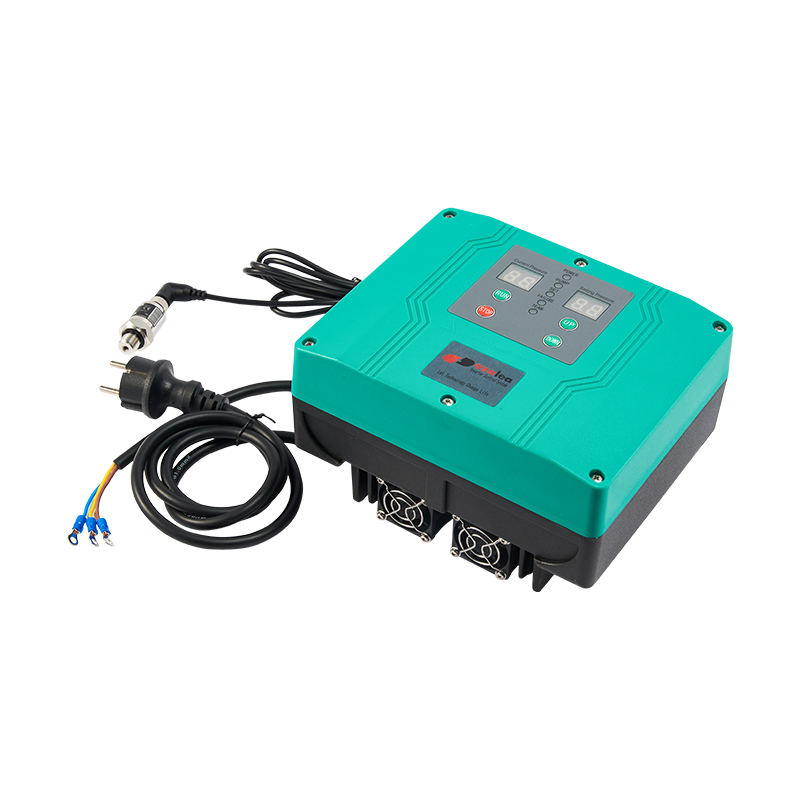
The capabilities of a modern automatic pump control system extend far beyond mere motor activation. A comprehensive automatic pump control unit incorporates multiple protective features. These often include dry-run protection, phase failure monitoring, motor thermal overload safeguarding, and leak detection protocols. Advanced automatic pump control also manages critical sequences, such as the soft starting and stopping of pumps to less mechanical and electrical stress, and the automatic rotation or alternation between multiple pumps in a bank to ensure even wear. Furthermore, these systems facilitate lead-lag configurations and duty-standby switching, all coordinated seamlessly by the central automatic pump control logic.
A significant trend in automatic pump control is the move toward connectivity and data integration. Modern controllers are often equipped with communication interfaces, allowing them to be networked into supervisory control and data acquisition systems or building management systems. This connectivity turns the automatic pump control into a data node, providing insights into pump run hours, energy consumption, performance curves, and early warning signs of potential faults like bearing wear or cavitation.
The development of automatic pump control technology is poised to focus on greater intelligence, user-friendly interfaces, and system-wide optimization. Future systems may employ more advanced algorithms, including artificial intelligence, to predict demand patterns and pre-emptively adjust operations for peak efficiency. Enhanced cybersecurity for networked pumps and simpler configuration tools for installers will also be areas of attention. As global emphasis on water and energy conservation intensifies, the role of intelligent automatic pump control as a key enabler of sustainability will only grow.
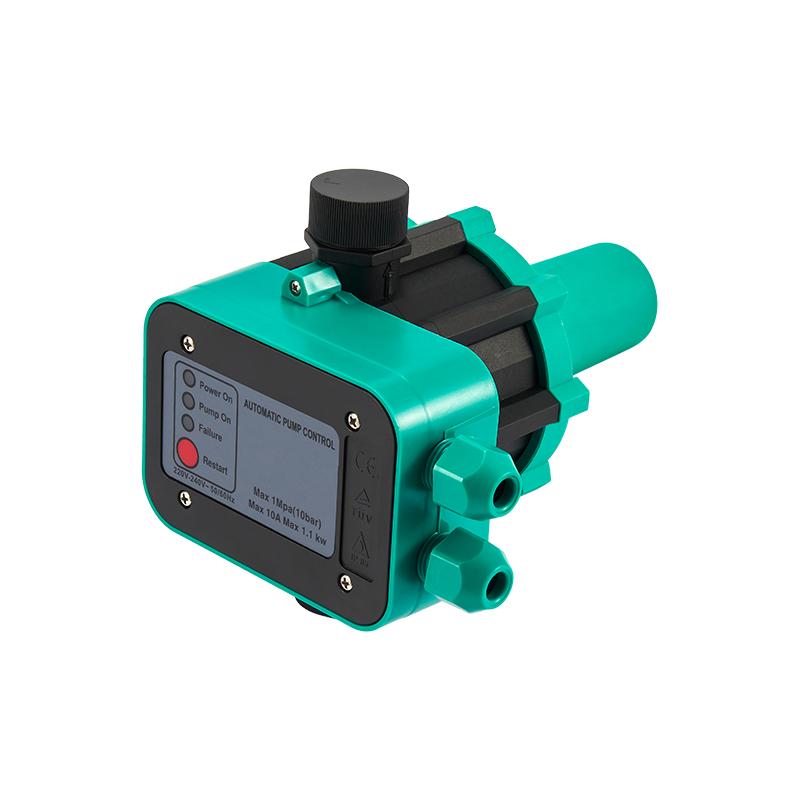
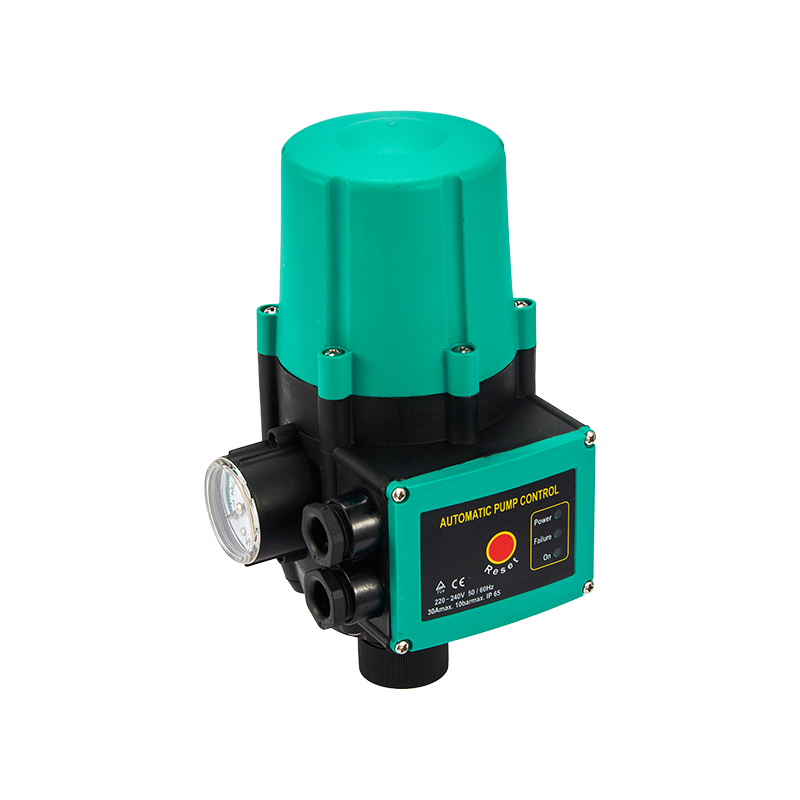
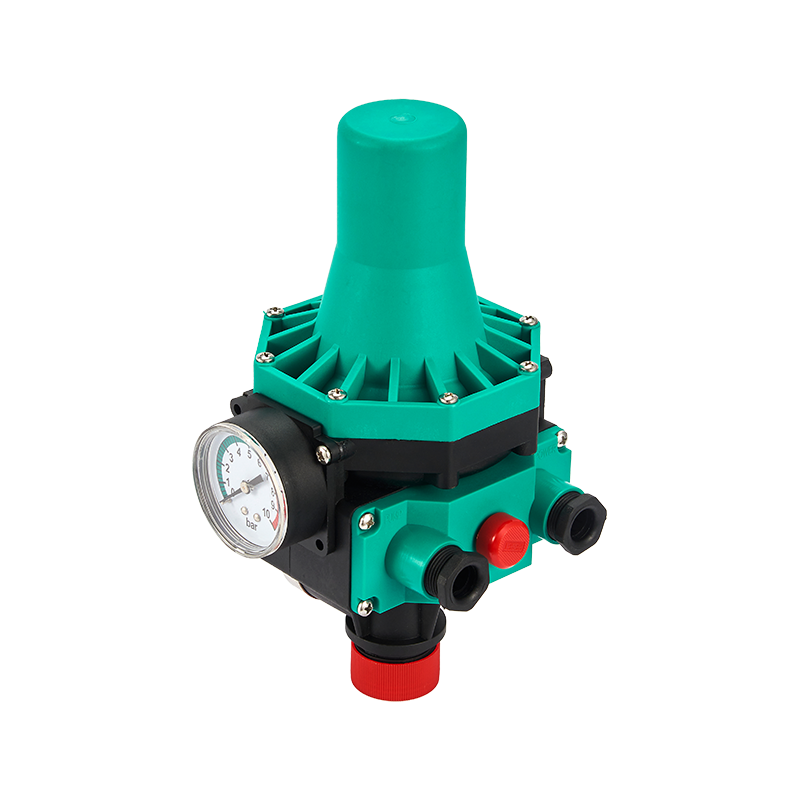
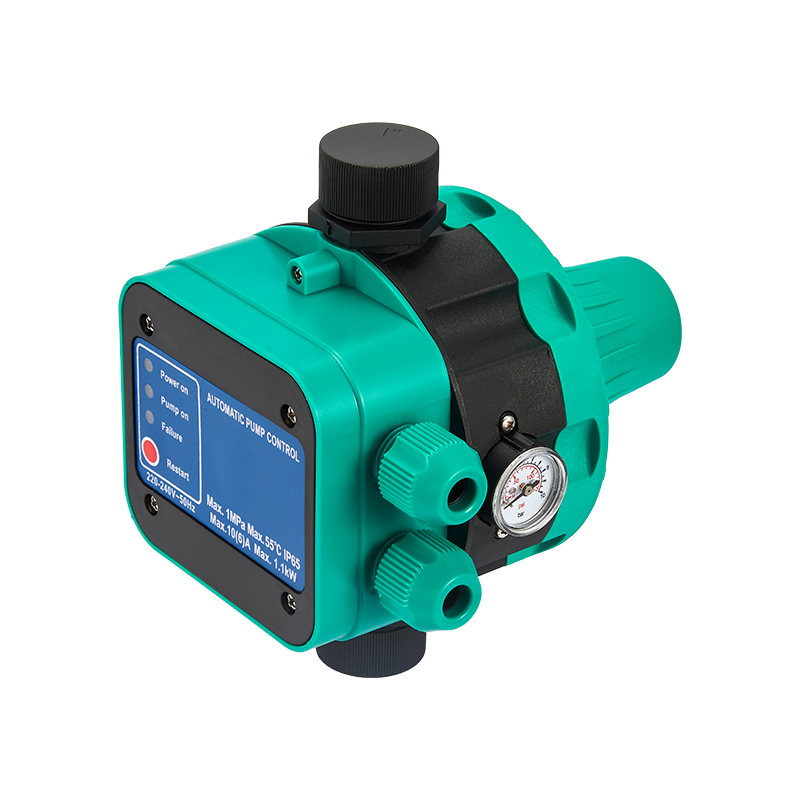
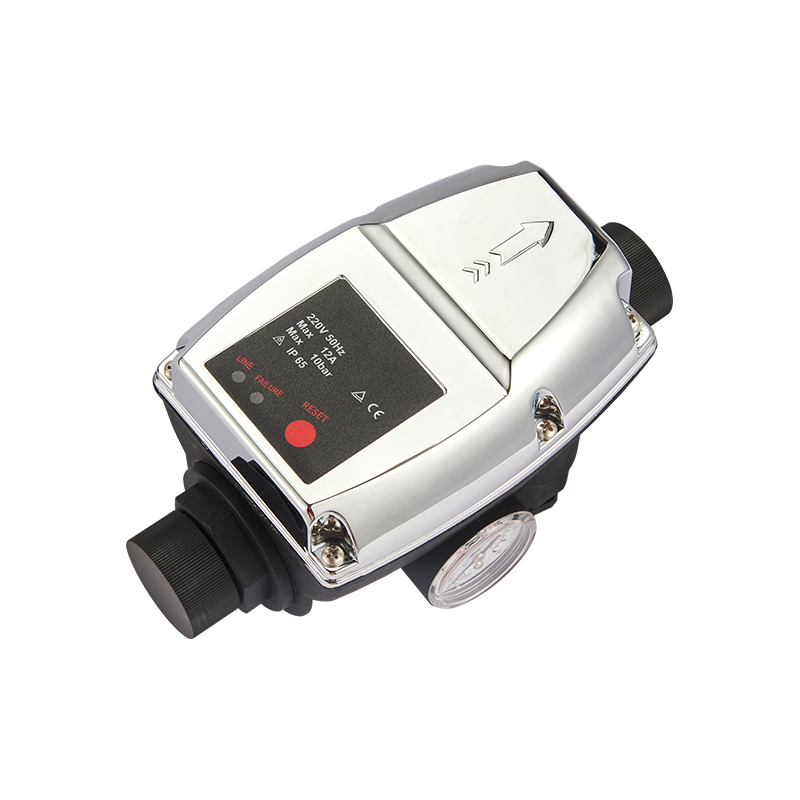
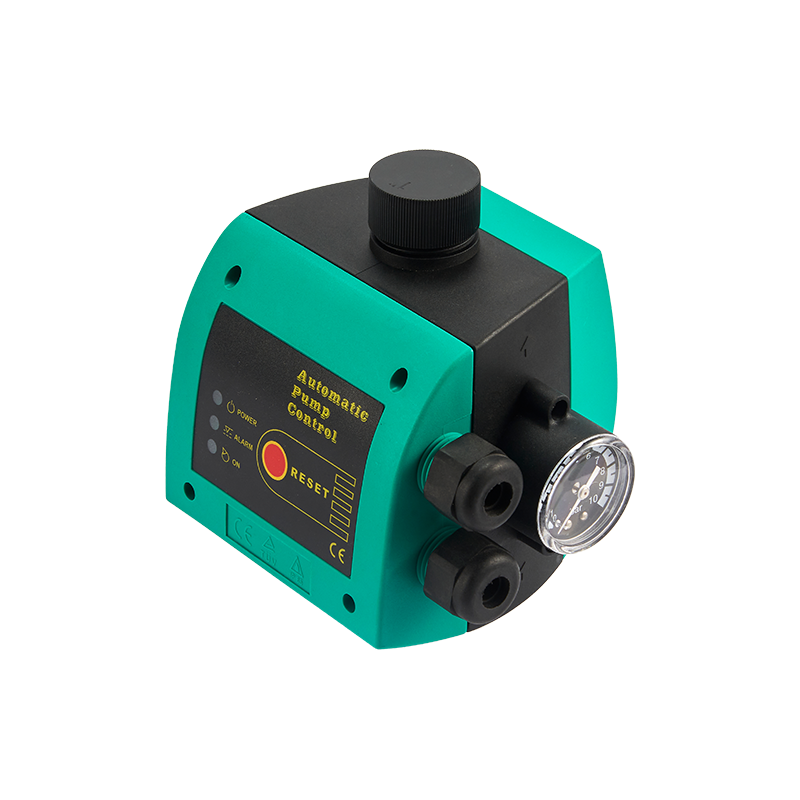
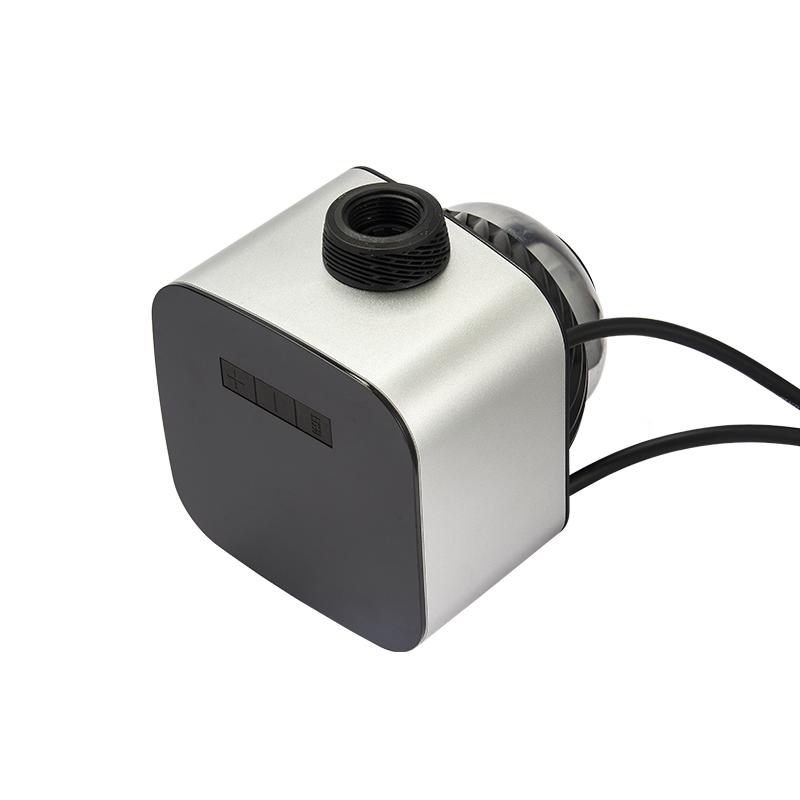
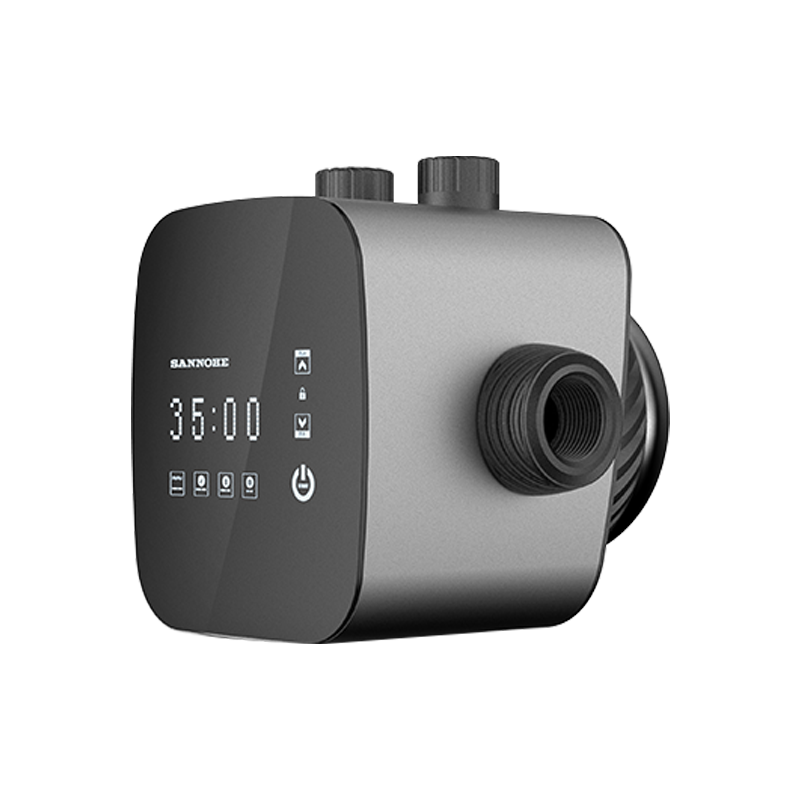
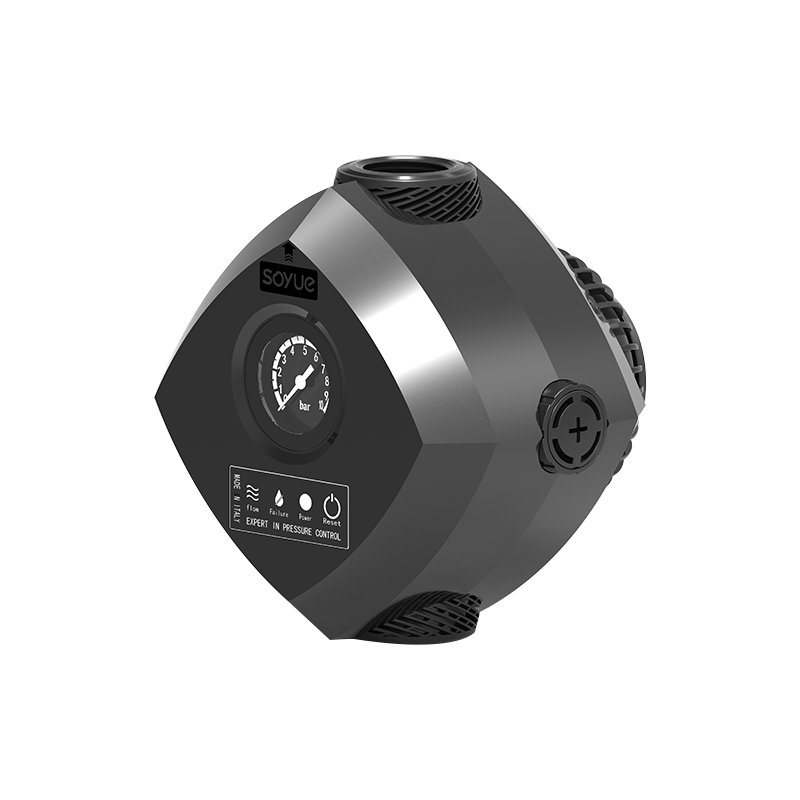
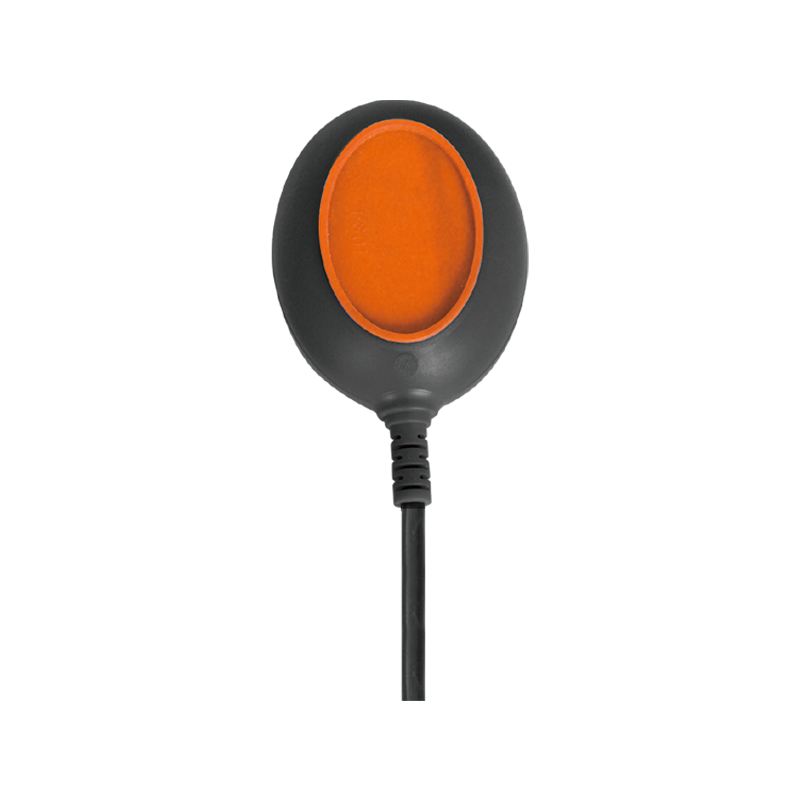
Within the global industrial supply chain, specialized facilities focus on producing the electronic brains that manage the world's pumps: the automatic pump controller factory. These manufacturing plants are dedicated to the design, assembly, testing, and quality assurance of the devices that provid...
Across the diverse applications of fluid movement—from ensuring consistent water supply in high-rise buildings to maintaining precise pressure in industrial processes and agricultural irrigation—the concept of pump automatic pressure control has become a cornerstone of modern system design. This tec...
In systems where water or other fluids are moved under pressure, from residential plumbing and agricultural irrigation to industrial processing and fire suppression, maintaining a precise and stable pressure is often critical. This task falls to a dedicated device: the pump pressure controller. This...

Soyue is an reliable water pump pressure controller manufacturers, with long-term combination of technology and innovation.custom water pump controller.
 No. 1469, Jingsi Road, Jiaojiang Economic Development Zone, Xiachen Street, Jiaojiang District, Taizhou City, Zhejiang.
  +86 - 18605868011
 +86 - 576 - 8906 9898
 +86 - 576 - 8866 5959
 [email protected]
  Leave A Message

 中文简体
中文简体 Español
 русский
 عربى
عربى Türk
Türk