


The reliable operation of residential, commercial, and agricultural water systems continues to depend significantly on a critical component: the water pump pressure control switch. This specialized device acts as the primary governor for pressure within a closed piping network, directly commanding a water pump to start and stop in response to demand. The consistent functionality of the water pump pressure control switch is fundamental to maintaining steady water pressure, protecting pump equipment from damage, and ensuring the automatic delivery of water on demand across a vast array of applications.
At its core, the water pump pressure control switch is an electromechanical sensor and switch unit. It is typically connected to the water system's piping via a pressure-sensing port. Inside, a flexible diaphragm or bellows reacts to changes in water pressure, mechanically compressing or expanding to actuate electrical contacts. The water pump pressure control switch is pre-configured with two main set points: a cut-in pressure, at which it signals the pump to start, and a higher cut-out pressure, at which it signals the pump to stop. This cycling, managed entirely by the water pump pressure control switch, creates the familiar pressure range experienced at fixtures, ensuring water is available when a tap is opened and the pump runs only as needed to replenish system pressure.
The many common and visible application of the water pump pressure control switch is in private well systems and booster pump setups. In a typical residential well configuration, the water pump pressure control switch is the central automatic control, responding to household water use by activating the submersible or jet pump to refill the pressure tank and restore system pressure. This automated operation, managed solely by the water pump pressure control switch, is what makes modern well water systems convenient and functionally similar to municipal supply. Similarly, in building water pressure booster systems, the water pump pressure control switch ensures that upper-floor fixtures receive adequate pressure by activating pumps when pressure drops below a designated threshold.
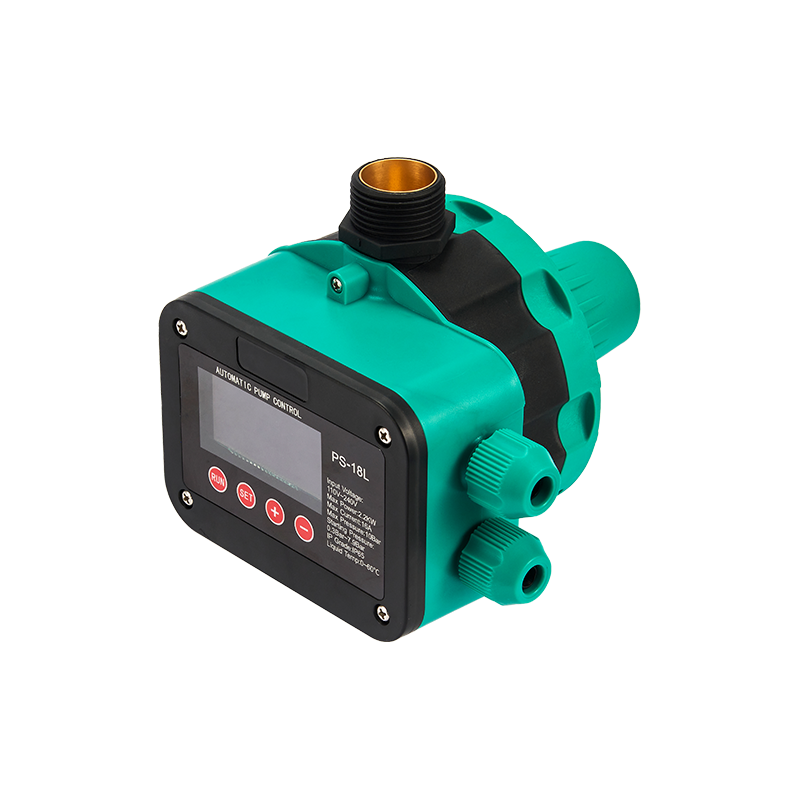
Proper selection and adjustment of the water pump pressure control switch are crucial for system health and efficiency. The pressure range set on the water pump pressure control switch must be compatible with the pump's capabilities and the system's requirements. An incorrectly set water pump pressure control switch can cause short cycling, where the pump starts and stops too frequently, pilot to premature motor wear. Conversely, a wide differential may cause unsatisfactorily low pressure at fixtures before the pump activates. Technicians carefully calibrate the cut-in and cut-out settings on the water pump pressure control switch to balance performance, pump longevity, and energy use, often consulting the pump manufacturer's specifications during installation or service.
The water pump pressure control switch will persist as an essential, standalone component in countless water systems. Its simplicity, affordability, and field-serviceability ensure its continued preference for standard applications. Integration with broader electronic pump controllers may occur in more complex systems, but the dedicated water pump pressure control switch is likely to remain the solution of choice for standalone pumps and straightforward pressure maintenance duties. Its enduring presence underscores a fundamental need in fluid dynamics: a reliable, automatic, and simple means to translate hydraulic pressure into an electrical command, a task the water pump pressure control switch has performed dependably for decades, forming an unseen yet vital link in the delivery of water for daily use.
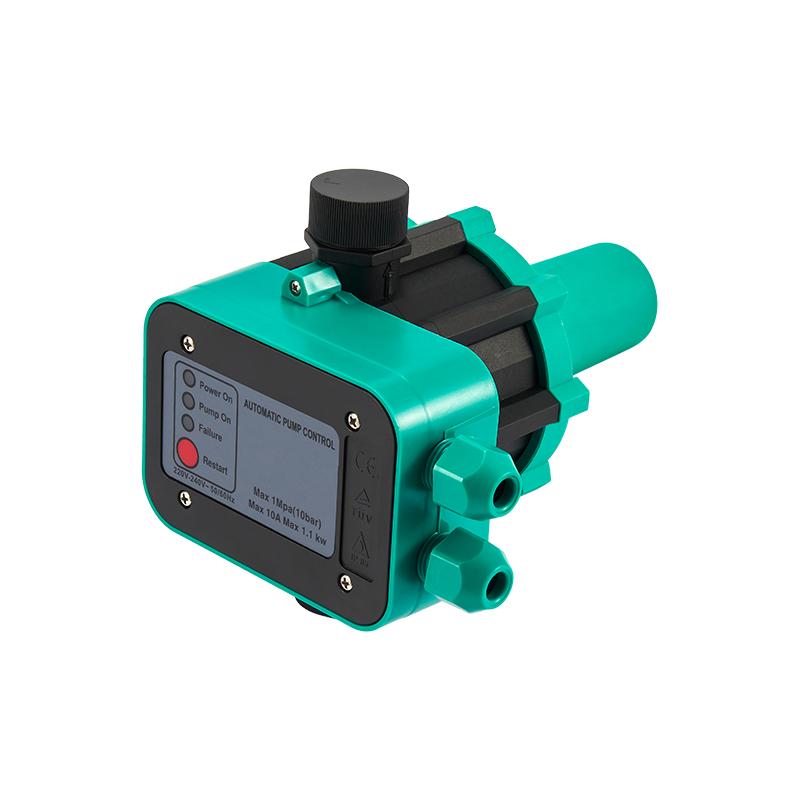
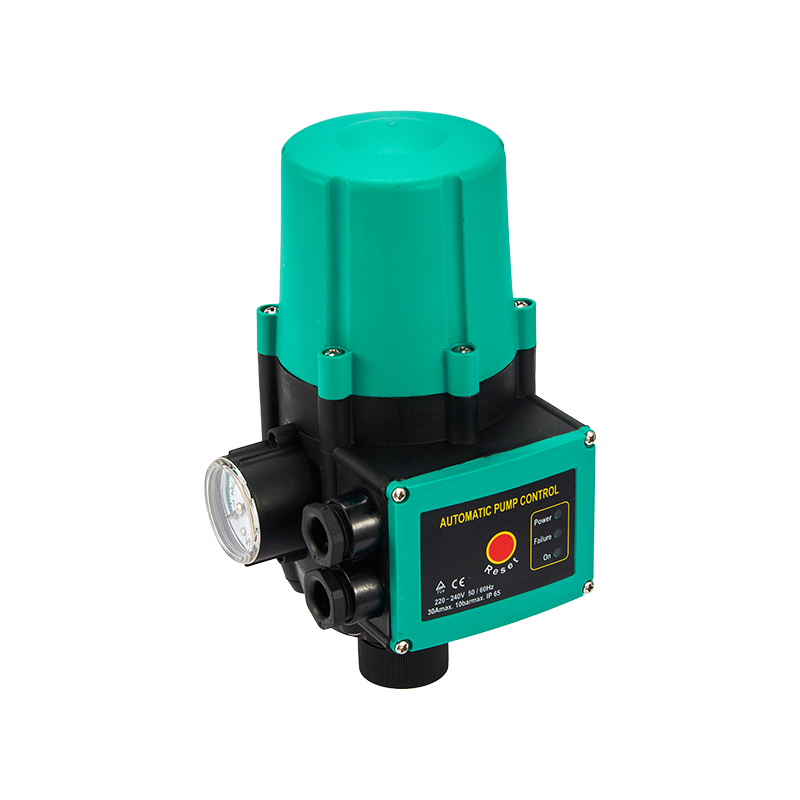
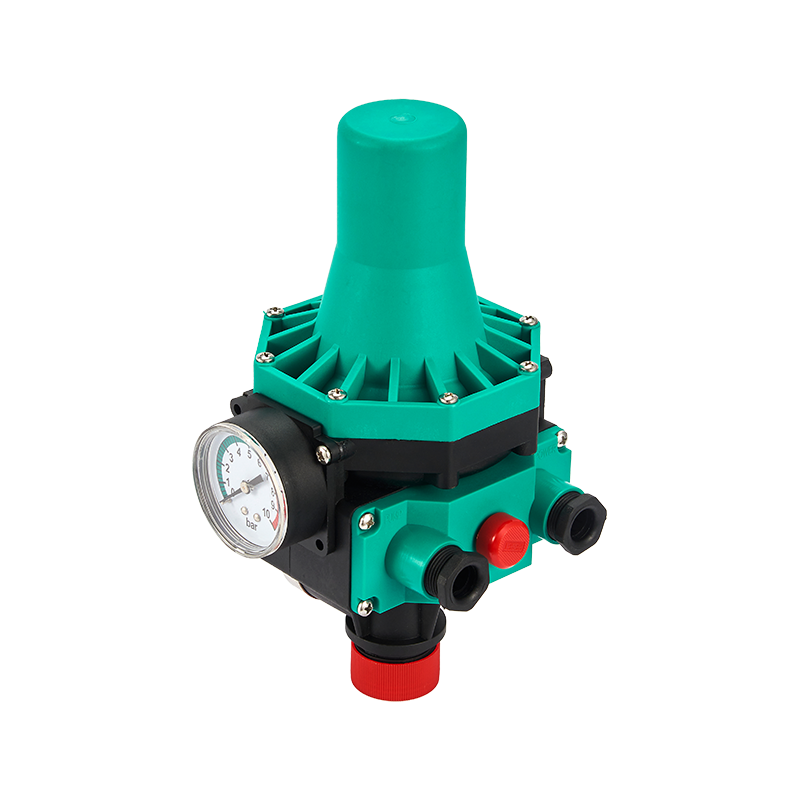
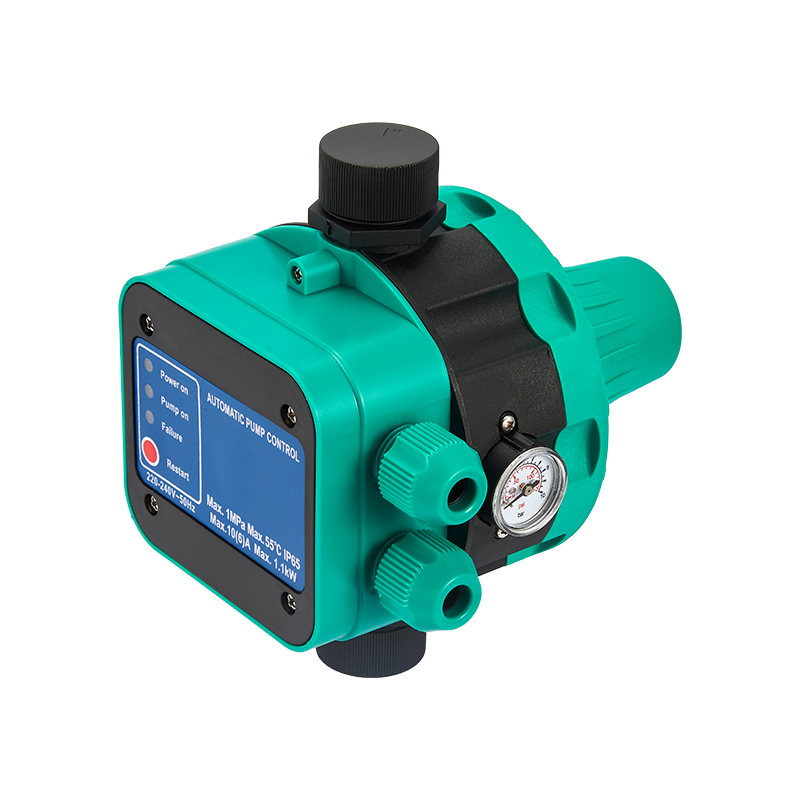
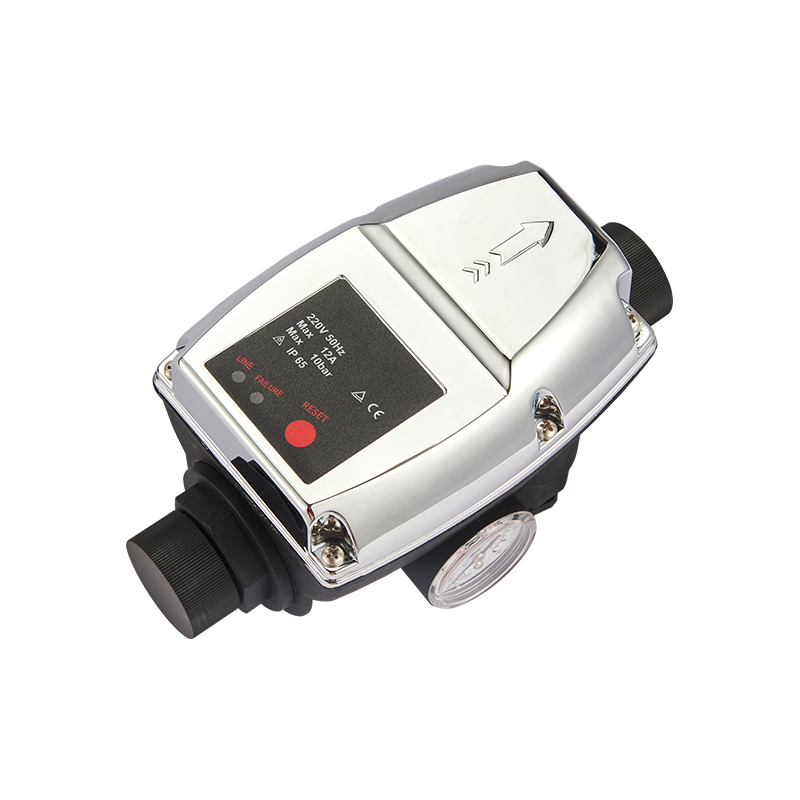
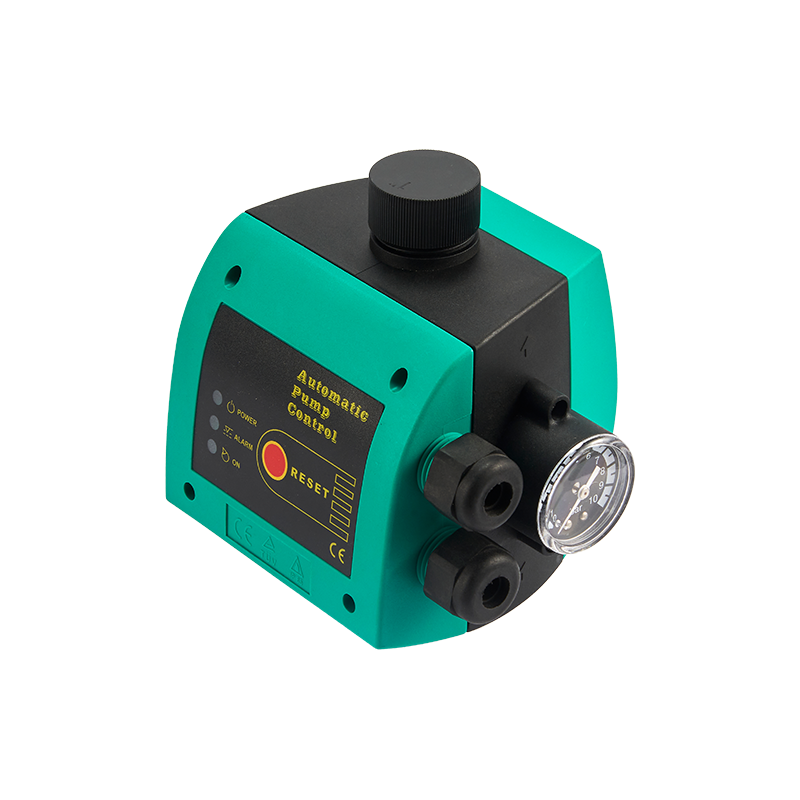
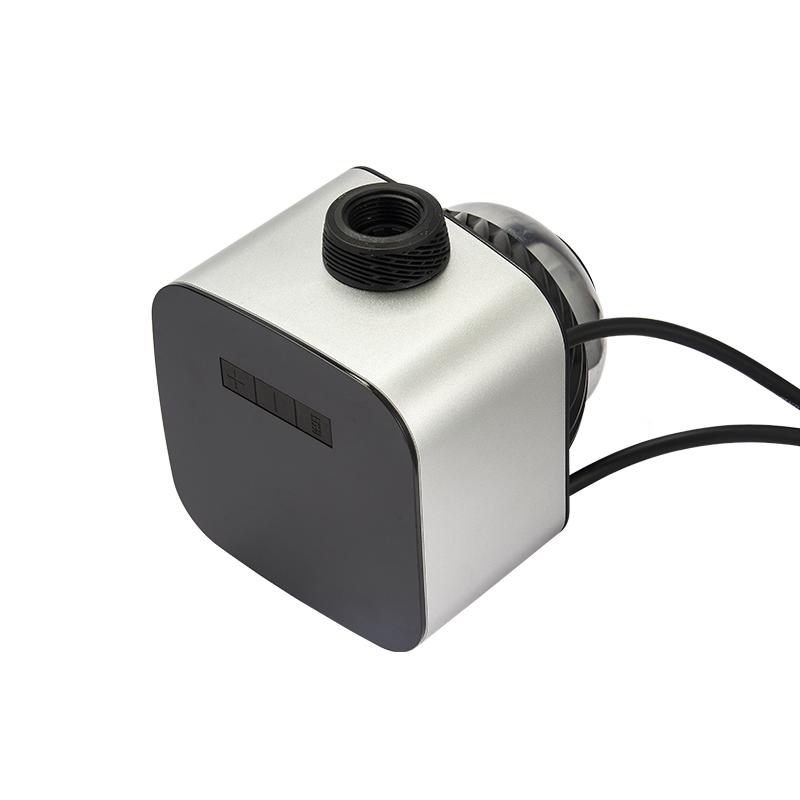
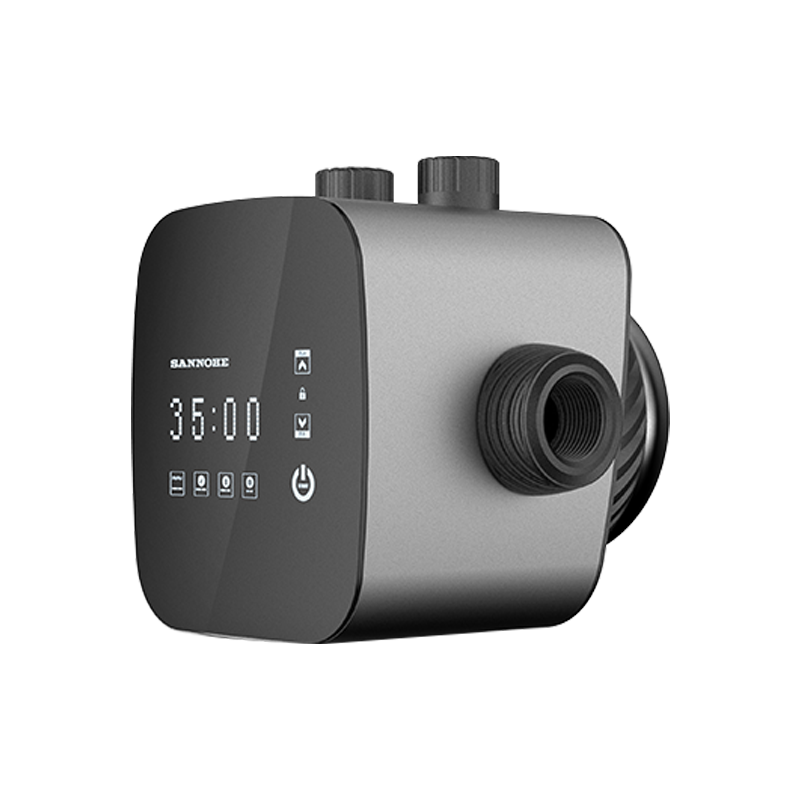
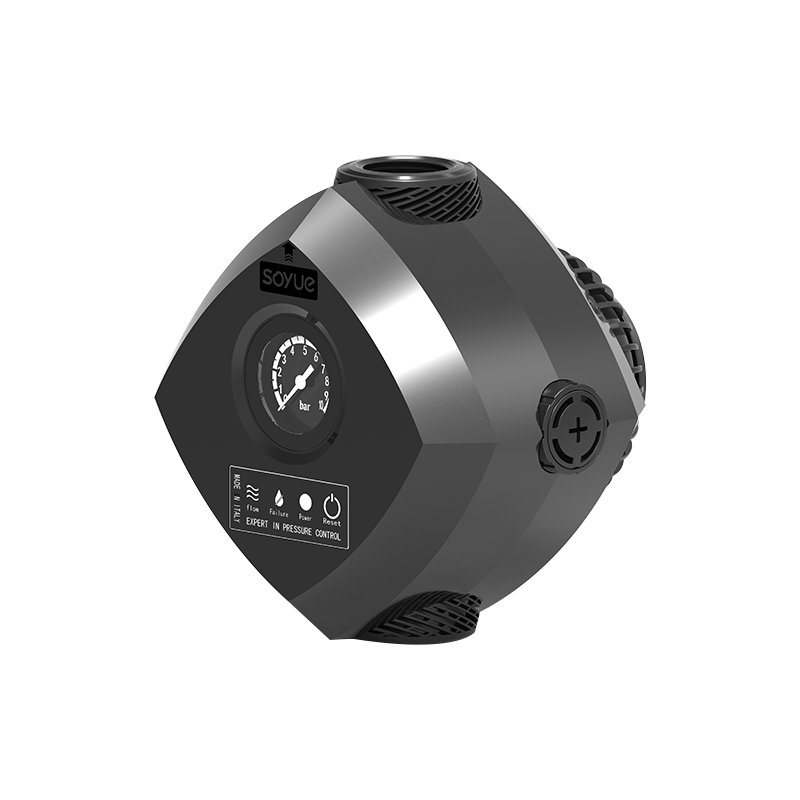
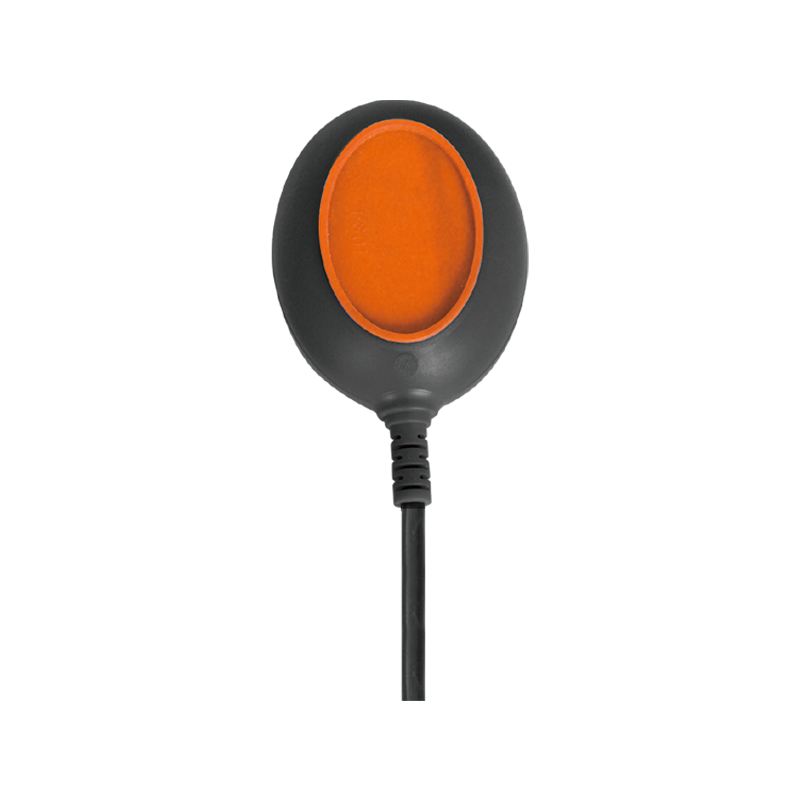
Within the global industrial supply chain, specialized facilities focus on producing the electronic brains that manage the world's pumps: the automatic pump controller factory. These manufacturing plants are dedicated to the design, assembly, testing, and quality assurance of the devices that provid...
Across the diverse applications of fluid movement—from ensuring consistent water supply in high-rise buildings to maintaining precise pressure in industrial processes and agricultural irrigation—the concept of pump automatic pressure control has become a cornerstone of modern system design. This tec...
In systems where water or other fluids are moved under pressure, from residential plumbing and agricultural irrigation to industrial processing and fire suppression, maintaining a precise and stable pressure is often critical. This task falls to a dedicated device: the pump pressure controller. This...

Soyue is an reliable water pump pressure controller manufacturers, with long-term combination of technology and innovation.custom water pump controller.
 No. 1469, Jingsi Road, Jiaojiang Economic Development Zone, Xiachen Street, Jiaojiang District, Taizhou City, Zhejiang.
  +86 - 18605868011
 +86 - 576 - 8906 9898
 +86 - 576 - 8866 5959
 [email protected]
  Leave A Message

 中文简体
中文简体 Español
 русский
 عربى
عربى Türk
Türk