


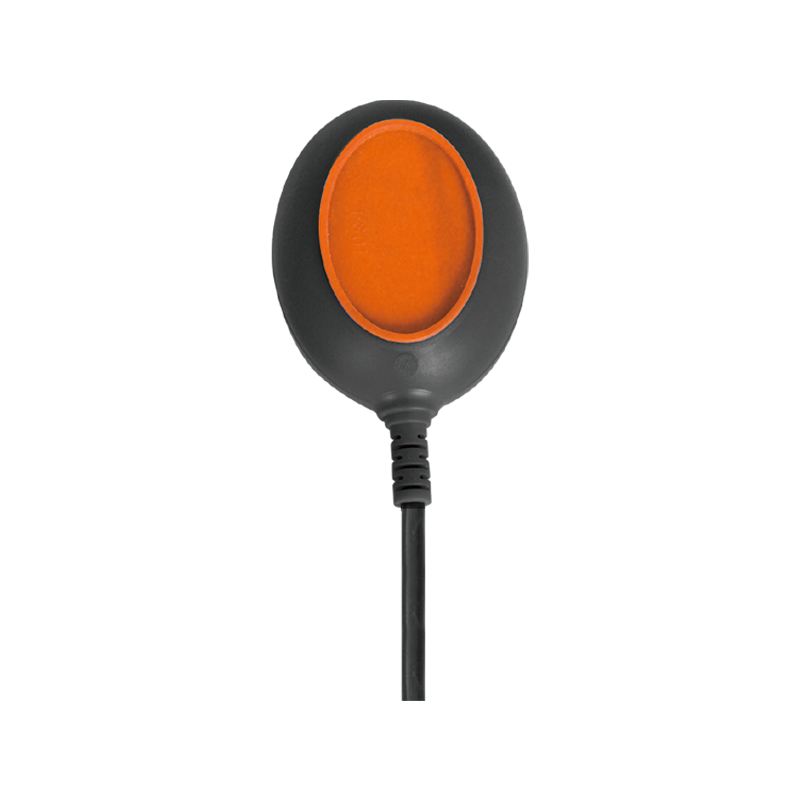
The simple yet indispensable float switch continues to serve as a fundamental component in managing liquid levels across a diverse spectrum of applications, from residential water tanks to complex industrial processes. This reliable electromechanical device operates on a straightforward principle: a buoyant float, attached to a lever or stem, rises and falls with the liquid level, actuating an internal switch to open or close an electrical circuit. The enduring relevance of the float switch underscores its value as a cost-effective, durable, and easily understood solution for basic automation and overflow prevention in countless settings.
The operational mechanism of a typical float switch is both elegant and robust. As the liquid level changes, the movement of the float causes the internal mechanism to tilt or slide, physically changing the state of the electrical contacts. This action can be configured to either make or break the circuit when a predetermined high or low level is reached. A common application involves using a float switch to automatically control a pump; a rising liquid level can trigger the float switch to activate the pump for drainage, while a falling level can signal the pump to stop, preventing dry running. The reliability of this function makes the float switch a cornerstone in sump pumps, bilge pumps, and various tank filling systems.
The design variations of the float switch allow it to be tailored to specific environments and fluids. For clean water applications in basements or tanks, a common plastic-housed float switch is often sufficient. In more demanding contexts, such as wastewater, sewage, or industrial chemicals, a float switch constructed from corrosion-resistant materials like stainless steel or specialized polymers is employed. Furthermore, the mounting style—whether side-mounted, top-mounted, or on a tether—can be selected based on the tank geometry and the required activation points. This adaptability ensures a suitable float switch can be specified for a wide range of level monitoring tasks.

The primary function of the float switch is often linked to pump control and alarm systems. In a residential basement, a sump pump float switch is the a line of defense against flooding. In agricultural and irrigation settings, a float switch manages water levels in storage tanks or lagoons. Industrial facilities rely on heavy-duty float switches to monitor coolant levels, chemical storage tanks, and process vessels, ensuring levels remain within safe operational parameters. In these scenarios, the float switch provides a direct, mechanical response to changing conditions without requiring complex programming or external power for its sensing function, offering inherent safety and simplicity.
The float switch is expected to maintain its significant role in basic liquid level management. Its future will likely involve continued material improvements for broader chemical compatibility and enhanced durability. While more advanced sensor technologies are available for complex applications, the float switch occupies a vital niche where cost, simplicity, and mechanical certainty are paramount. Its persistent use from household appliances to industrial infrastructure highlights an enduring engineering truth: for many fundamental control tasks, a robust, direct-acting device like the float switch provides an ideal balance of functionality, reliability, and value, ensuring its place in system designs for the foreseeable future.
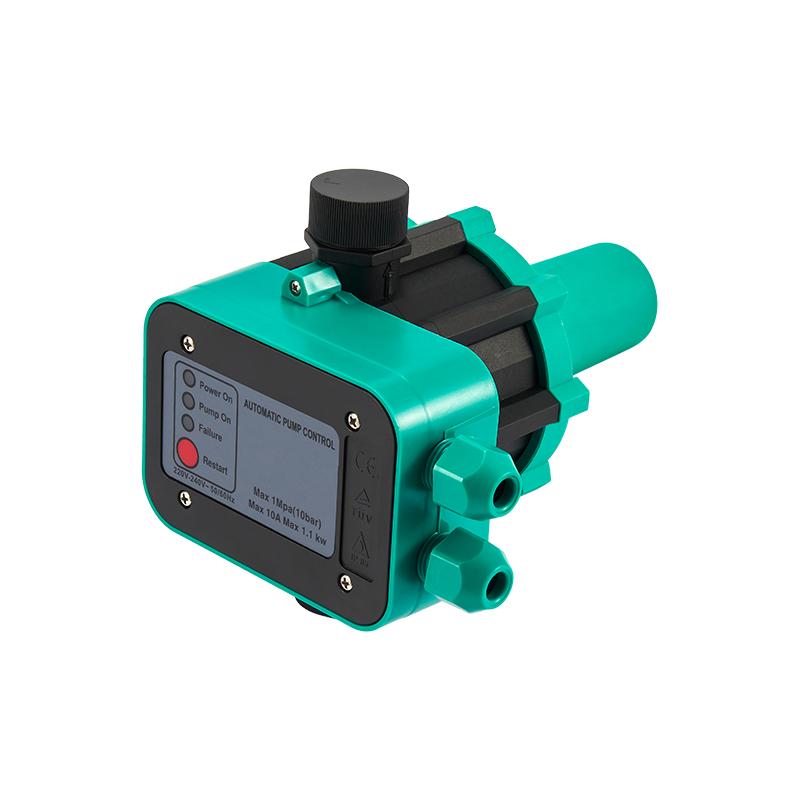
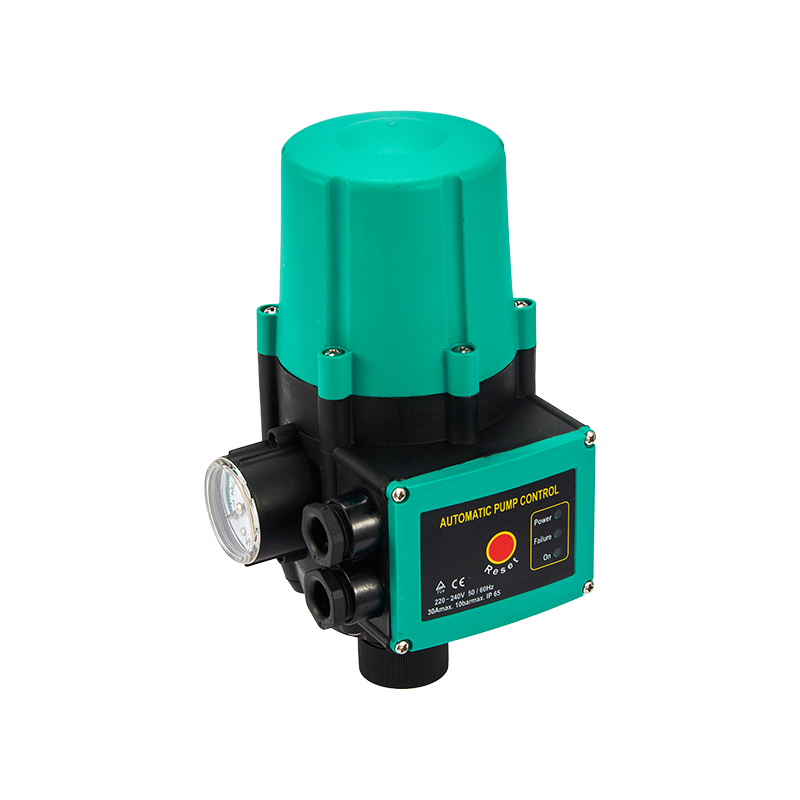
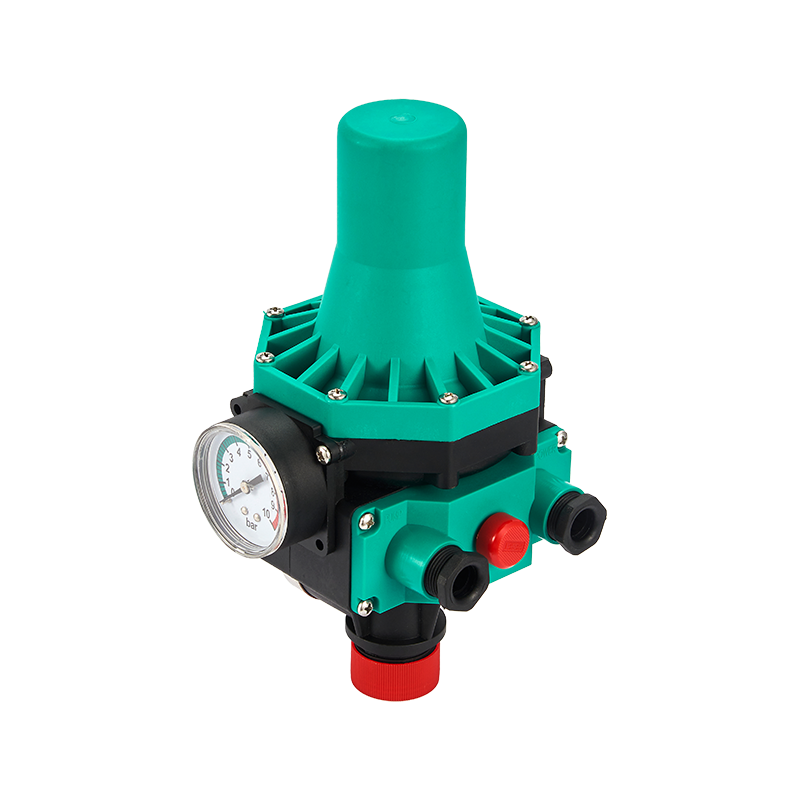
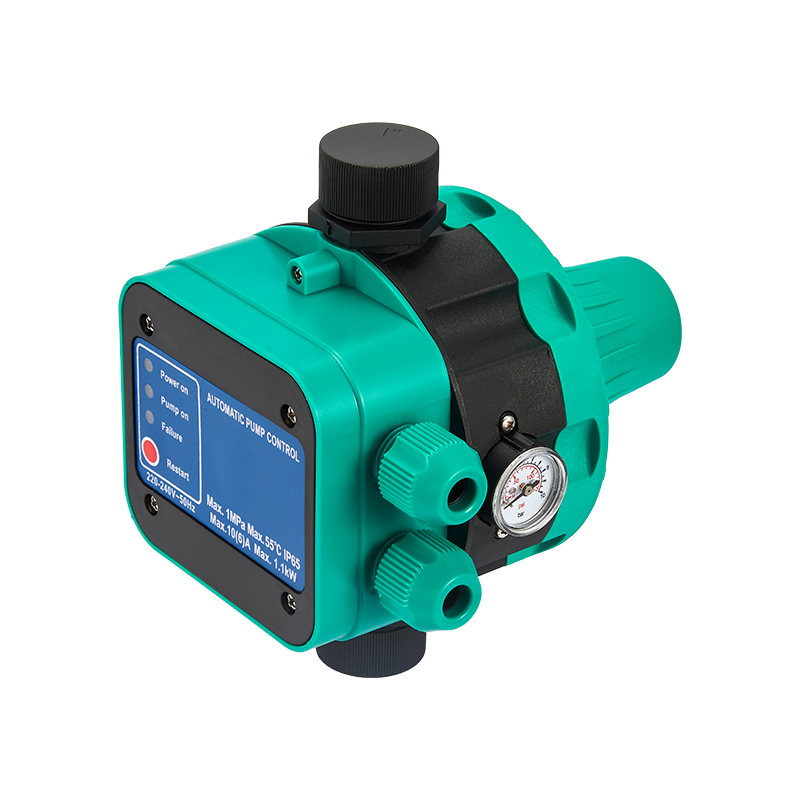
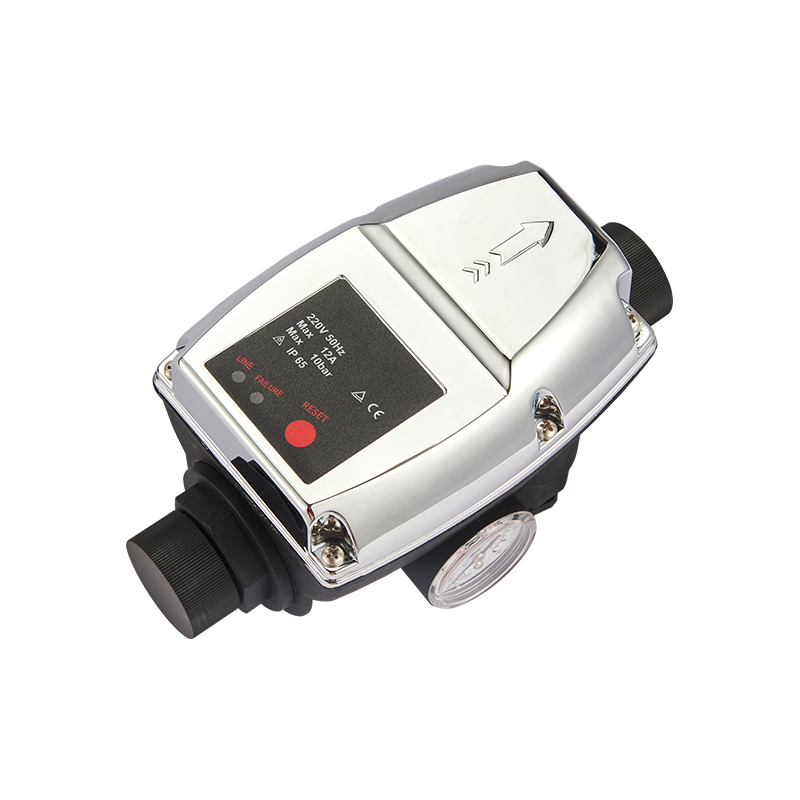
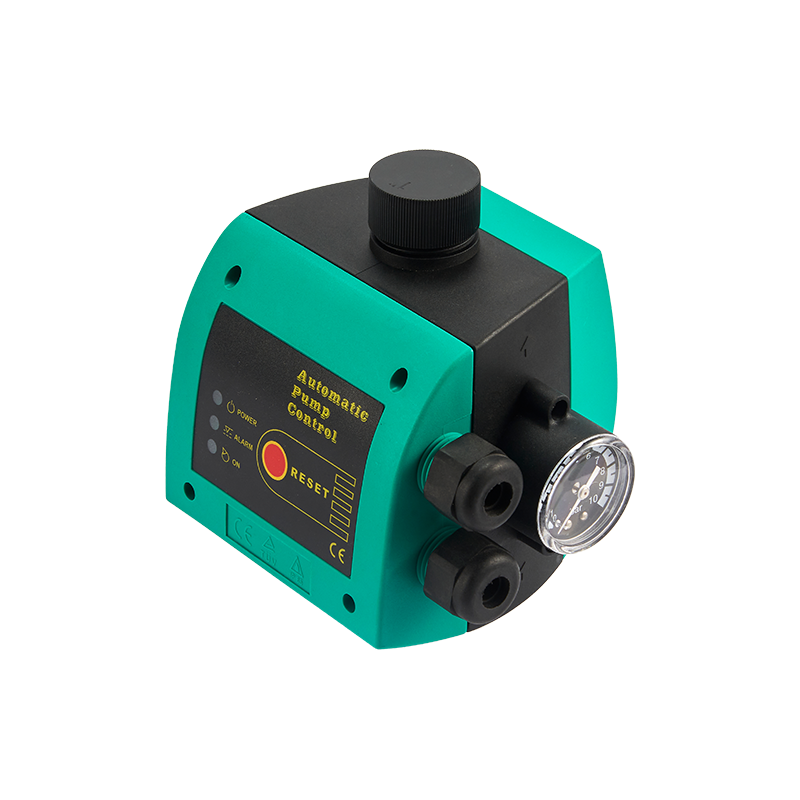
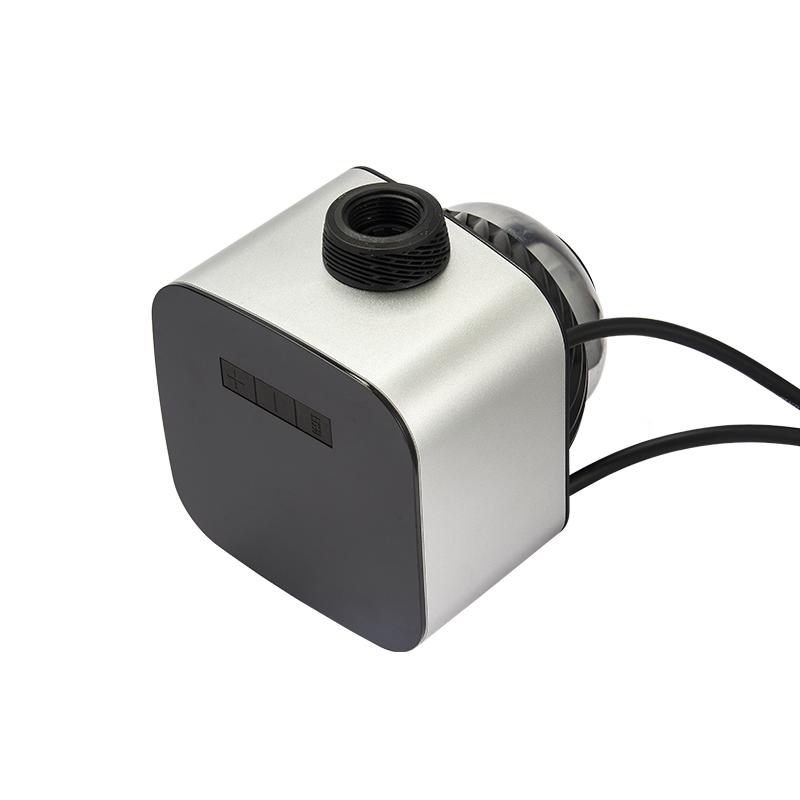
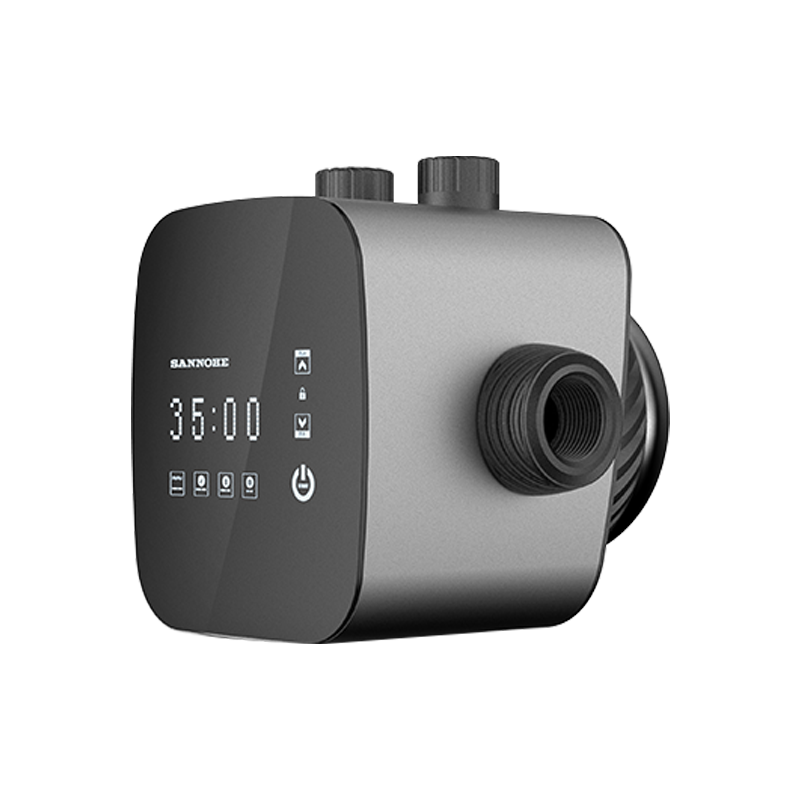
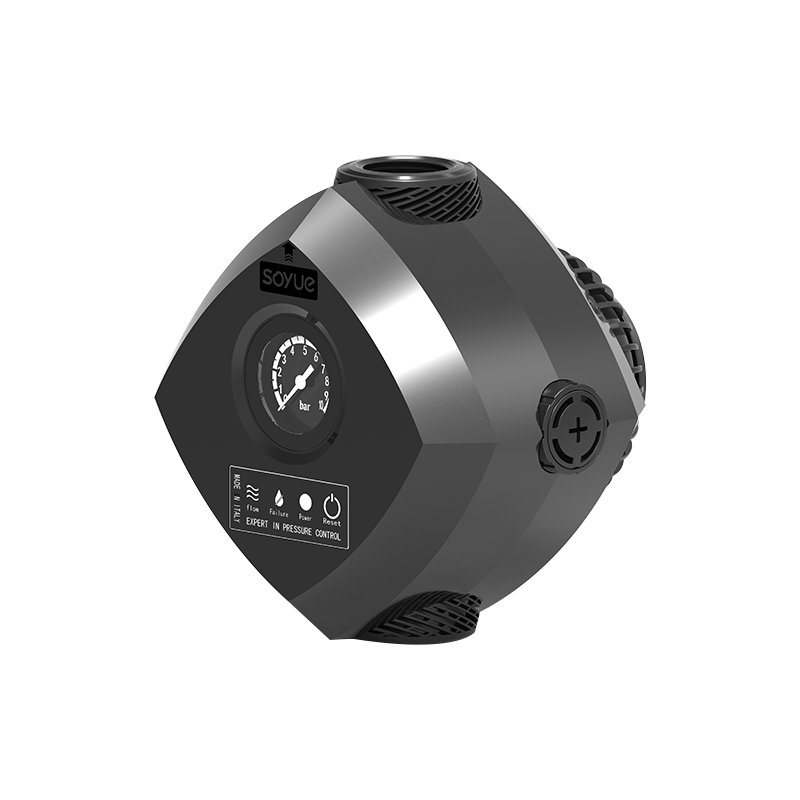
Within the global industrial supply chain, specialized facilities focus on producing the electronic brains that manage the world's pumps: the automatic pump controller factory. These manufacturing plants are dedicated to the design, assembly, testing, and quality assurance of the devices that provid...
Across the diverse applications of fluid movement—from ensuring consistent water supply in high-rise buildings to maintaining precise pressure in industrial processes and agricultural irrigation—the concept of pump automatic pressure control has become a cornerstone of modern system design. This tec...
In systems where water or other fluids are moved under pressure, from residential plumbing and agricultural irrigation to industrial processing and fire suppression, maintaining a precise and stable pressure is often critical. This task falls to a dedicated device: the pump pressure controller. This...

Soyue is an reliable water pump pressure controller manufacturers, with long-term combination of technology and innovation.custom water pump controller.
 No. 1469, Jingsi Road, Jiaojiang Economic Development Zone, Xiachen Street, Jiaojiang District, Taizhou City, Zhejiang.
  +86 - 18605868011
 +86 - 576 - 8906 9898
 +86 - 576 - 8866 5959
 [email protected]
  Leave A Message

 中文简体
中文简体 Español
 русский
 عربى
عربى Türk
Türk