

The role and sophistication of the pump controller within fluid management systems are expanding significantly across industrial, agricultural, and municipal applications. As the essential electronic brain governing pump operation, a modern pump controller does far more than simply start and stop a motor. Today's pump controller is increasingly a hub for intelligent management, focused on optimizing energy use, ensuring system protection, and providing valuable operational data, thereby transforming basic pumping stations into responsive and efficient nodes within broader networks.
At its core, a pump controller regulates the function of one or more pumps to maintain desired system parameters, many commonly pressure or flow. A traditional pump controller might achieve this through simple on/off cycling based on signals from a pressure switch. However, the contemporary pump controller frequently employs variable frequency drive (VFD) technology. By adjusting the electrical frequency and voltage supplied to the pump motor, a VFD-based pump controller allows for precise, continuous modulation of pump speed. This enables the pump controller to match output exactly to real-time demand, eliminating the energy waste associated with constant-speed pumps throttling flow or cycling excessively, pilot to substantial reductions in electricity consumption.
The application scope for the intelligent pump controller is broad and critical. In building services, a sophisticated pump controller manages circulation and booster systems for water supply, heating, and air conditioning, maintaining comfort while small energy costs. In agriculture, a pump controller ensures precise irrigation, activating zones based on schedule or sensor data to conserve water. For wastewater and flood management, a robust pump controller provides reliable, automated operation, often with fail-safe protocols and remote monitoring capabilities to handle variable inflows and prevent system overload or failure. In each case, the pump controller is central to operational integrity.
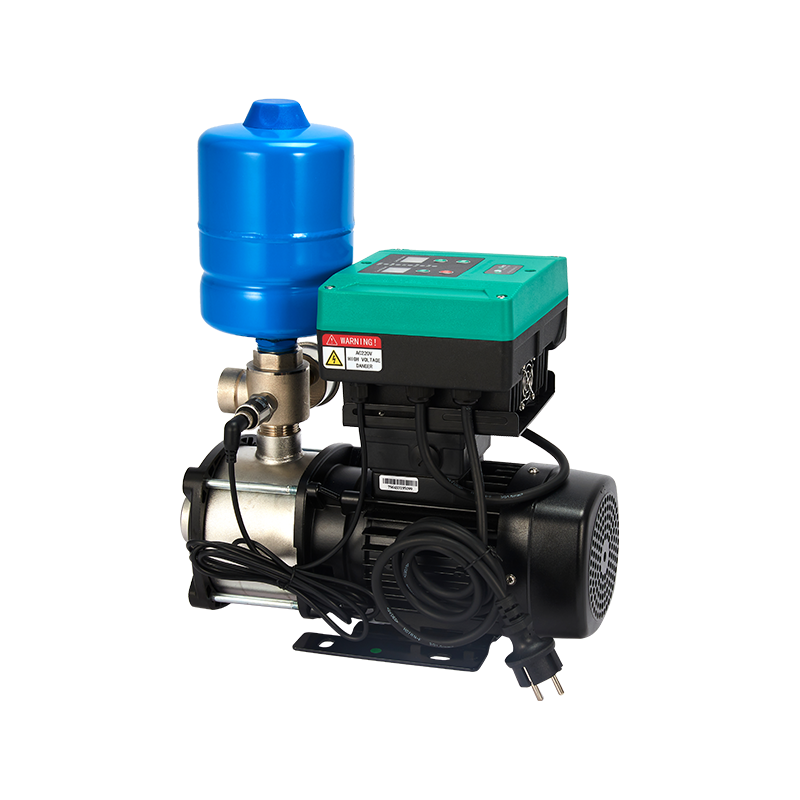
Modern features integrated into the pump controller enhance both performance and longevity. Beyond basic control, a comprehensive pump controller offers a suite of protective functions. These can include dry-run protection to prevent damage when water is absent, phase monitoring to guard against power supply issues, and thermal overload monitoring. Advanced pump controller units also facilitate soft starts, gradually ramping up motor speed to reduce mechanical stress on the pump and electrical stress on the power grid. Furthermore, the latest pump controller models often come equipped with communication ports, enabling integration into supervisory control and data acquisition systems or allowing for remote configuration and diagnostics via network connections.
The development of the pump controller is set to continue toward greater connectivity, autonomy, and user-centric design. Future systems may feature more advanced algorithms for system optimization, easier integration with IoT platforms, and enhanced cybersecurity measures for networked installations. The role of the pump controller will likely expand from managing a single pump to orchestrating entire networks of pumps and related assets. As the critical interface between operational demand and mechanical action, the pump controller is solidifying its position not just as a protective device, but as a fundamental component for achieving efficiency, resilience, and smart management in fluid handling systems worldwide. Its ongoing advancement reflects a deeper understanding of systems management, where precise control translates directly into resource savings and operational reliability.
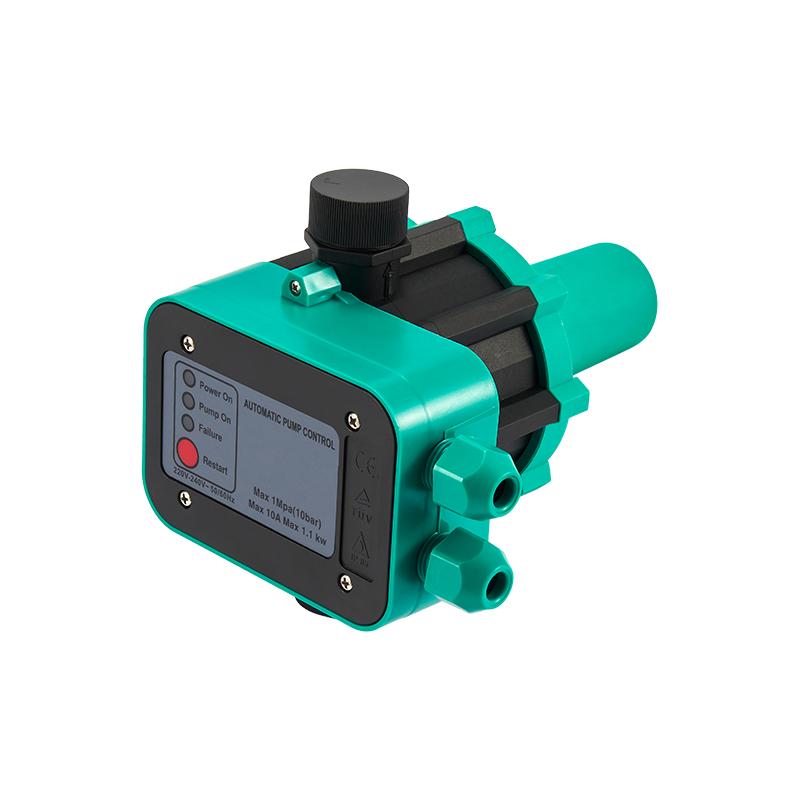
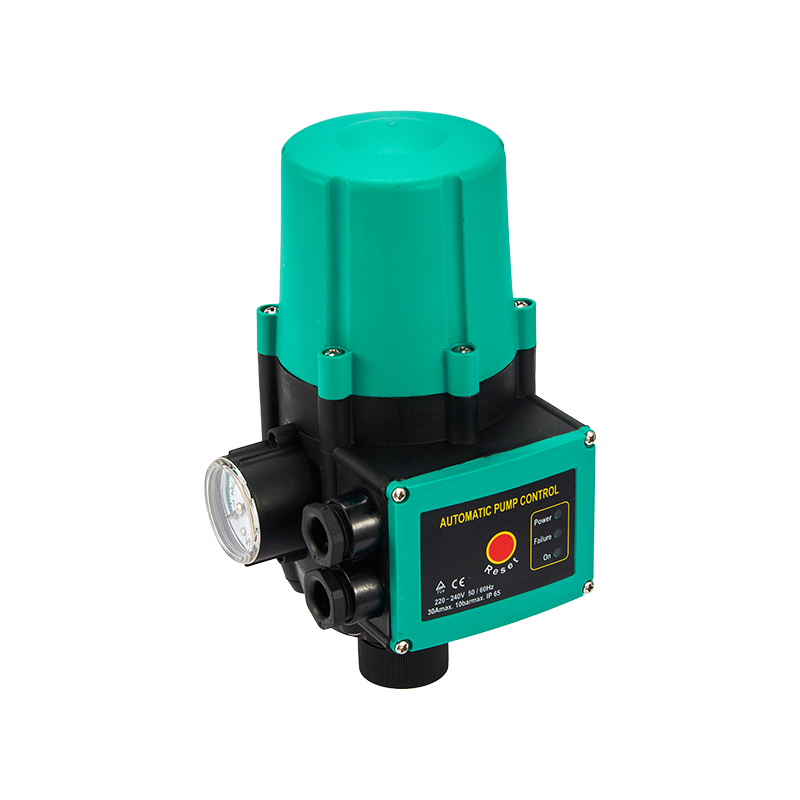
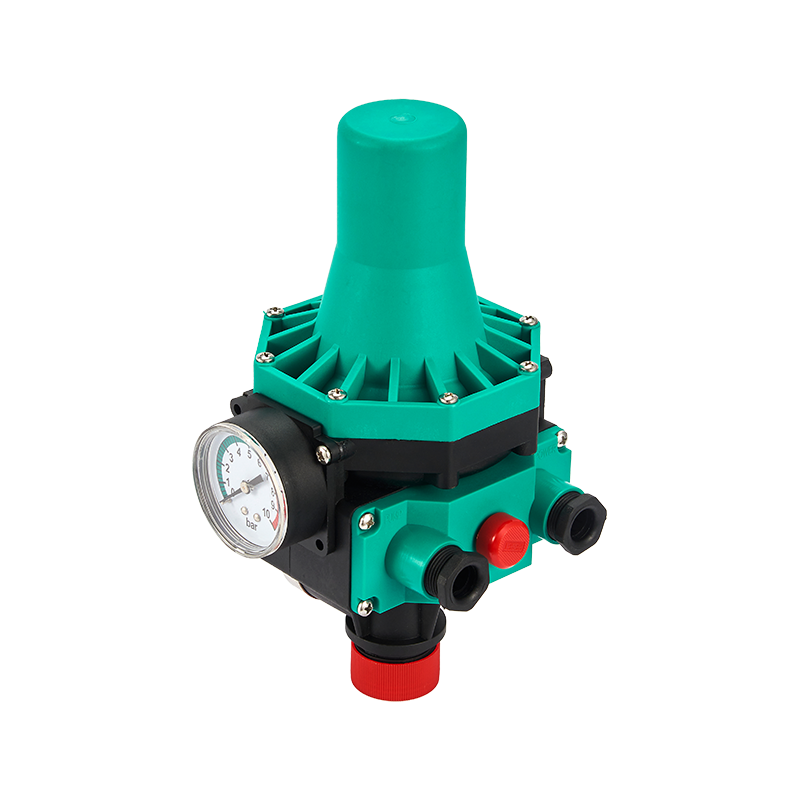
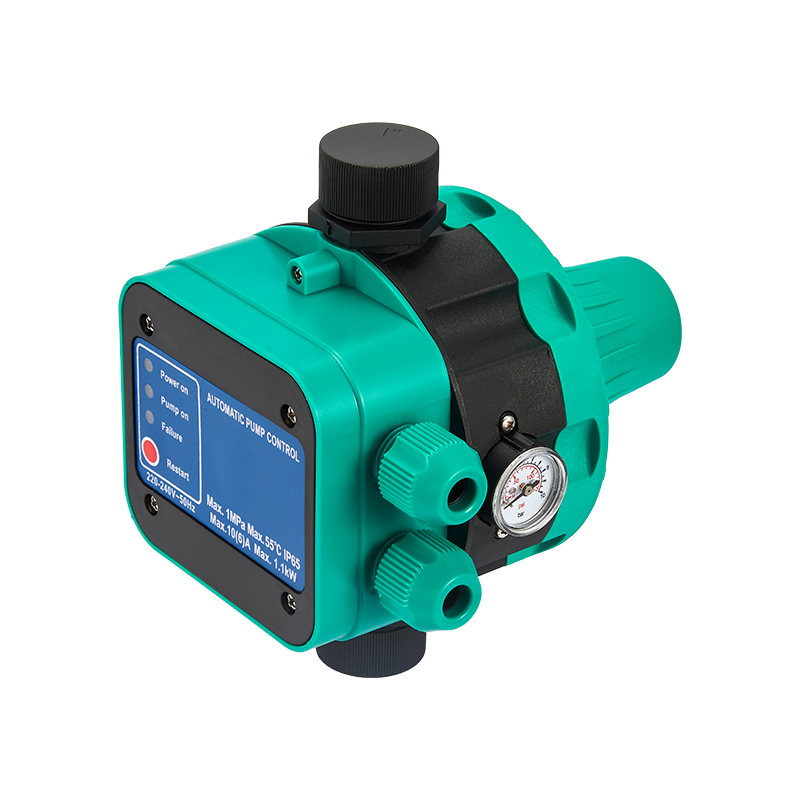
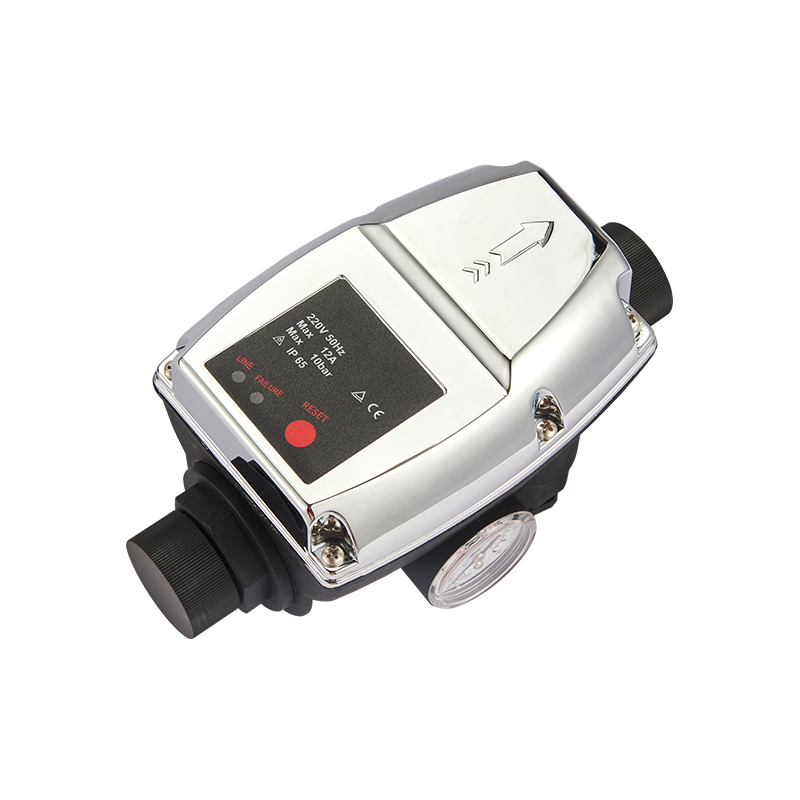
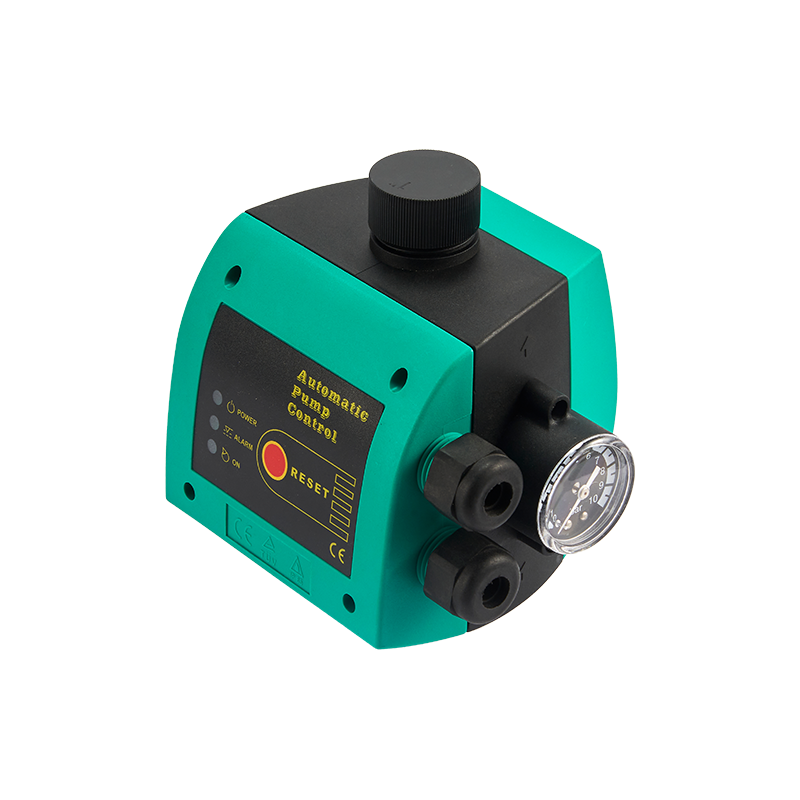
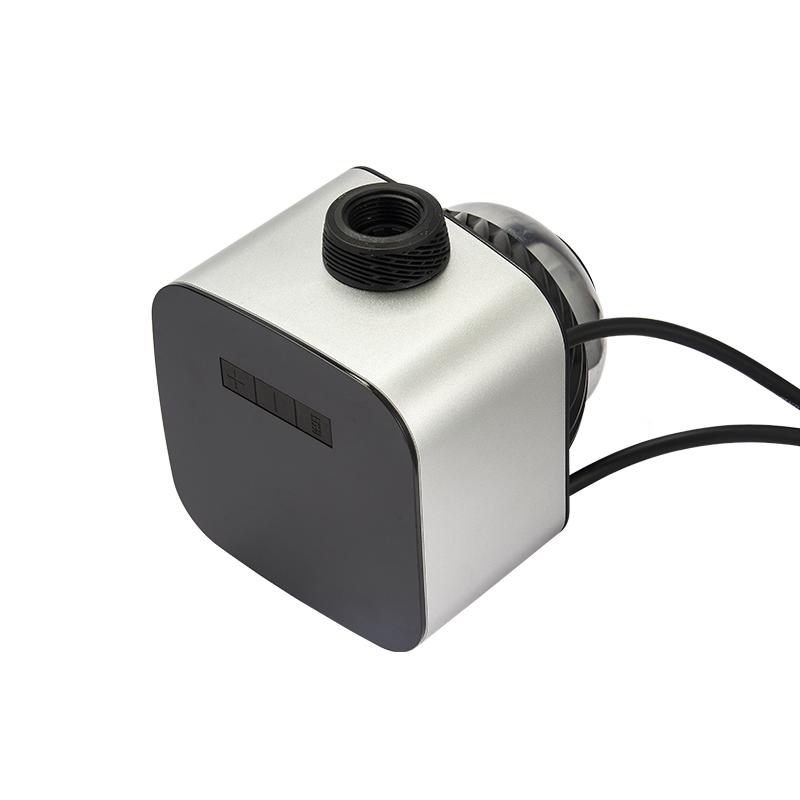
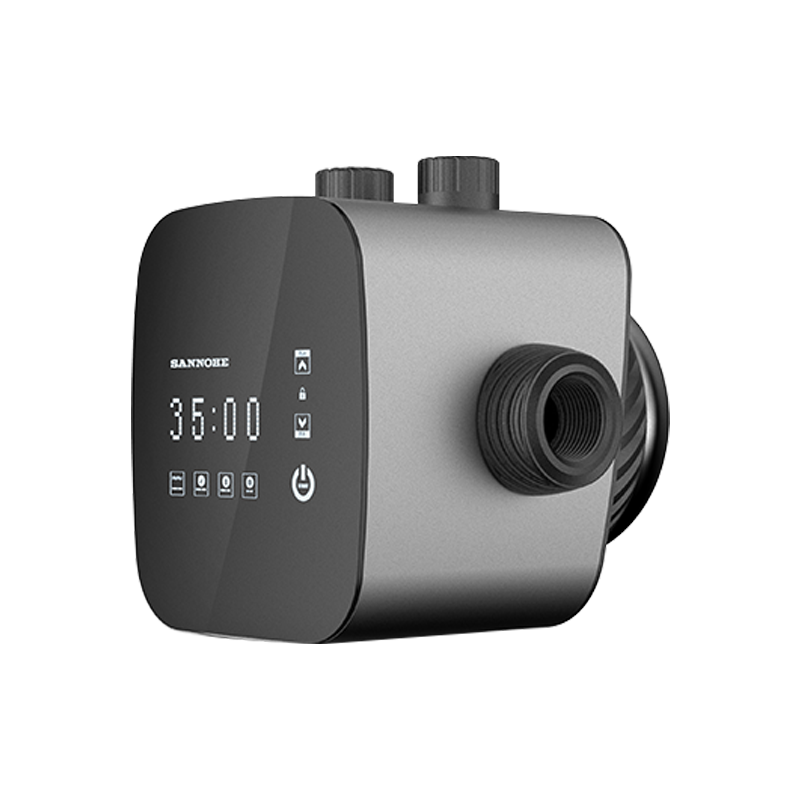
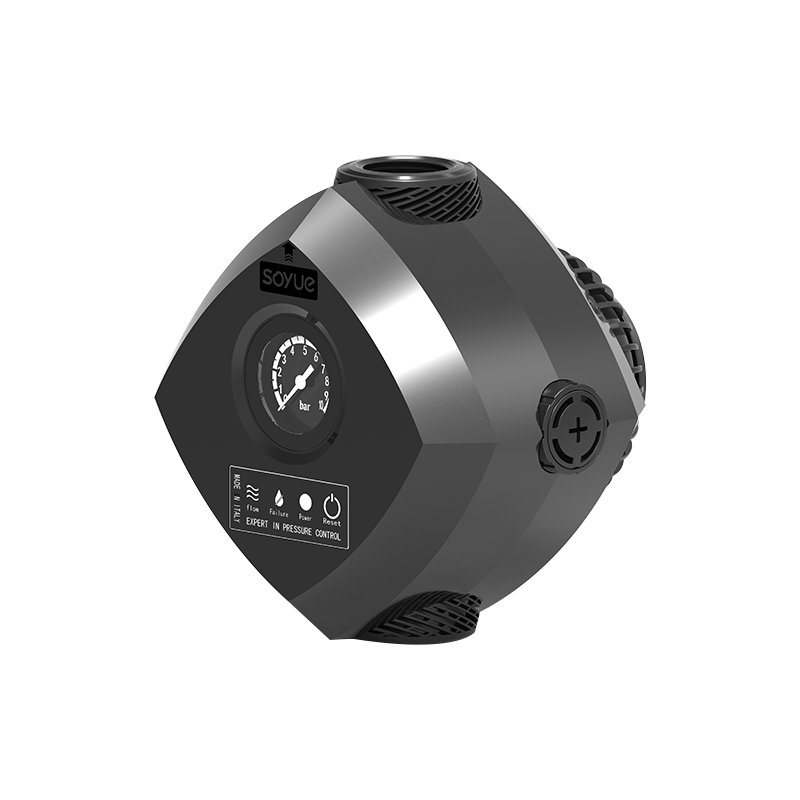
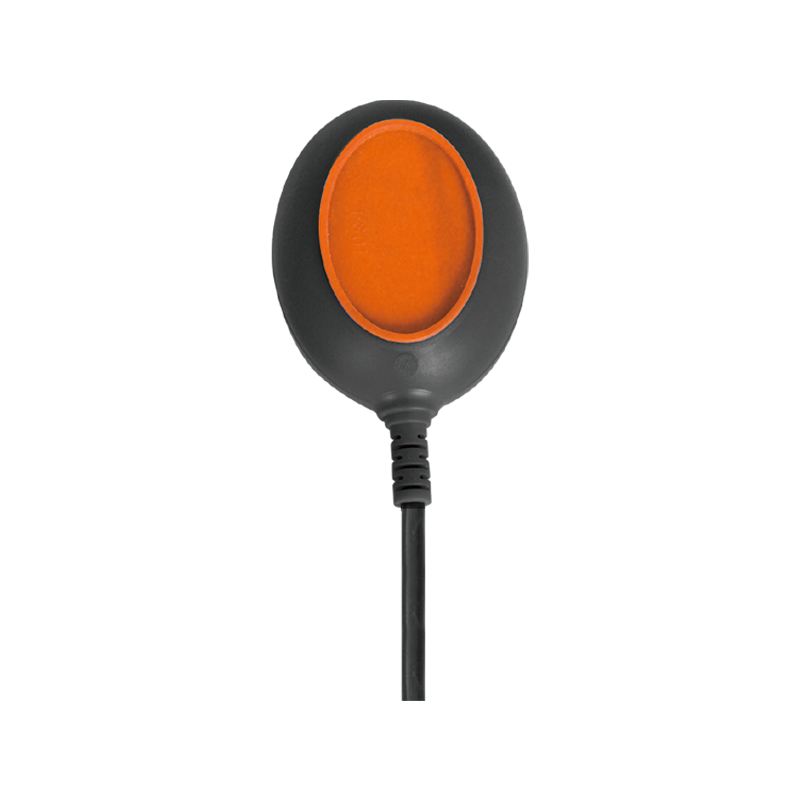
Within the global industrial supply chain, specialized facilities focus on producing the electronic brains that manage the world's pumps: the automatic pump controller factory. These manufacturing plants are dedicated to the design, assembly, testing, and quality assurance of the devices that provid...
Across the diverse applications of fluid movement—from ensuring consistent water supply in high-rise buildings to maintaining precise pressure in industrial processes and agricultural irrigation—the concept of pump automatic pressure control has become a cornerstone of modern system design. This tec...
In systems where water or other fluids are moved under pressure, from residential plumbing and agricultural irrigation to industrial processing and fire suppression, maintaining a precise and stable pressure is often critical. This task falls to a dedicated device: the pump pressure controller. This...

Soyue is an reliable water pump pressure controller manufacturers, with long-term combination of technology and innovation.custom water pump controller.
 No. 1469, Jingsi Road, Jiaojiang Economic Development Zone, Xiachen Street, Jiaojiang District, Taizhou City, Zhejiang.
  +86 - 18605868011
 +86 - 576 - 8906 9898
 +86 - 576 - 8866 5959
 [email protected]
  Leave A Message

 中文简体
中文简体 Español
 русский
 عربى
عربى Türk
Türk