


In the operational framework of countless residential, commercial, and industrial fluid systems, a small but vital component ensures automatic control and protects equipment: the pump pressure switch. This electromechanical device serves as the central nervous system for pumps, activating and deactivating them based on predefined fluid pressure thresholds. The reliability and accuracy of a pump pressure switch are fundamental to maintaining consistent water pressure, safeguarding pumps from damage, and ensuring the efficient operation of everything from household well systems to large-scale irrigation and processing networks.
The core function of a pump pressure switch is to monitor pressure within a system—typically inside a pressure tank—and open or close an electrical circuit accordingly. A common application is in a standard well pump setup. When a faucet is opened and pressure drops below a small setting (the cut-in pressure), the pump pressure switch closes the circuit, signaling the pump to start and replenish the system. Once pressure builds to a up to setting (the cut-out pressure), the switch opens the circuit, stopping the pump. This cyclical operation maintains pressure within a desired range, providing on-demand water flow without requiring manual pump control. The correct calibration of these cut-in and cut-out points is essential for the performance of the pump pressure switch.
The internal mechanism of a traditional pump pressure switch often involves a flexible diaphragm or bellows connected to the water line. Changing water pressure physically moves this diaphragm, which in turn activates a mechanical lever to open or close electrical contacts. Adjustable springs allow technicians to set the specific pressure range for the pump pressure switch. More advanced electronic pump pressure switch models use solid-state sensors and controllers to achieve the same outcome, offering features like digital readouts and finer control without moving mechanical parts.
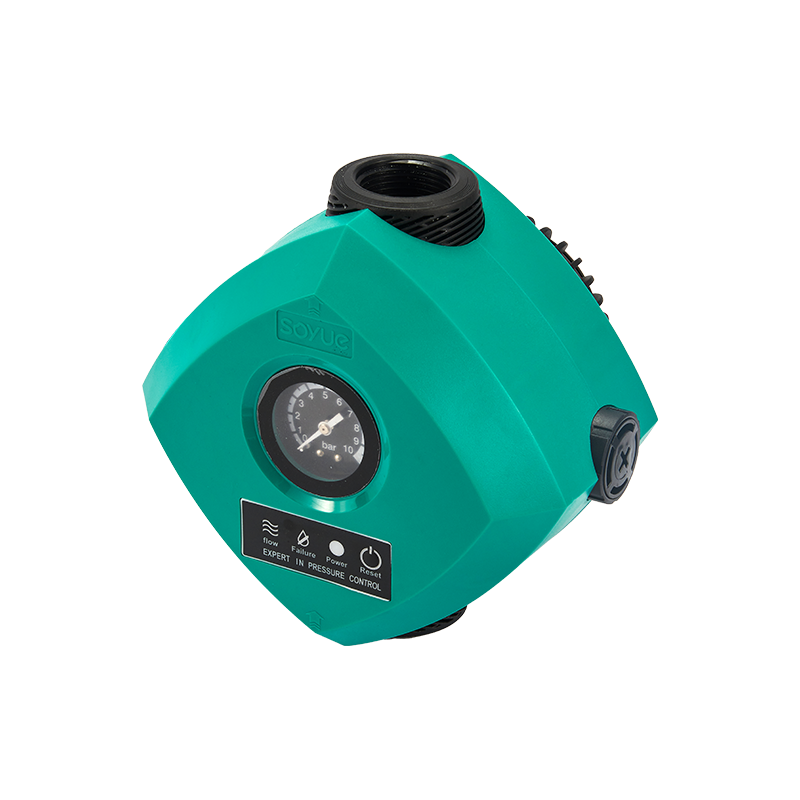
The importance of a properly functioning pump pressure switch extends to system protection and energy efficiency. A switch that fails to activate a pump at the appropriate pressure can cause inadequate flow and user inconvenience. Conversely, a switch that does not shut off the pump allows pressure to rise excessively, potentially stressing pipes, fittings, and the pump itself, pilot to leaks or catastrophic failure. A well-calibrated pump pressure switch ensures the pump operates only when necessary, optimizing energy use and extending the lifespan of the entire pumping system through controlled, on-off cycling.
Installation and maintenance considerations for a pump pressure switch are straightforward but crucial. It must be installed in a location where it can accurately sense system pressure, typically on a pipe tee near the pressure tank. Over time, the electrical contacts within a mechanical pump pressure switch can wear or become pitted, pilot to arcing and failure. Periodic inspection, testing, and cleaning are recommended practices to ensure the long-term reliability of a pump pressure switch.
The integration of the pump pressure switch with broader system monitoring and smart home technology is a developing trend. Future iterations may include pump pressure switch units with wireless connectivity, providing real-time pressure data and alerting users to abnormal conditions via smartphone applications. Despite these potential advancements, the fundamental role of the pump pressure switch remains unchanged. As a guardian of pressure and an automator of pump operation, this unassuming device continues to be an indispensable component in ensuring the reliable, safe, and efficient movement of fluids in myriad applications worldwide.
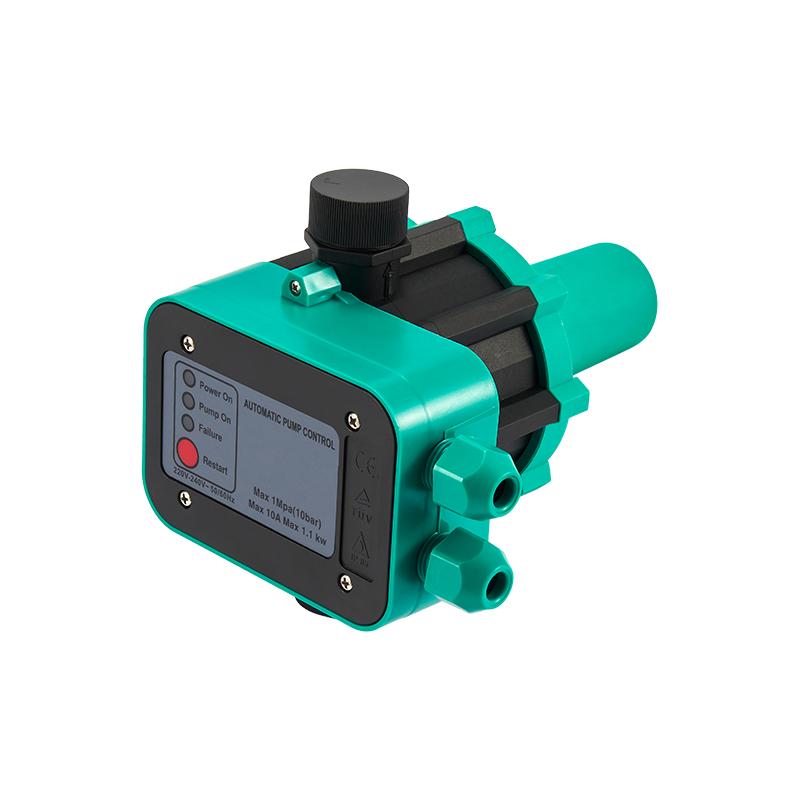
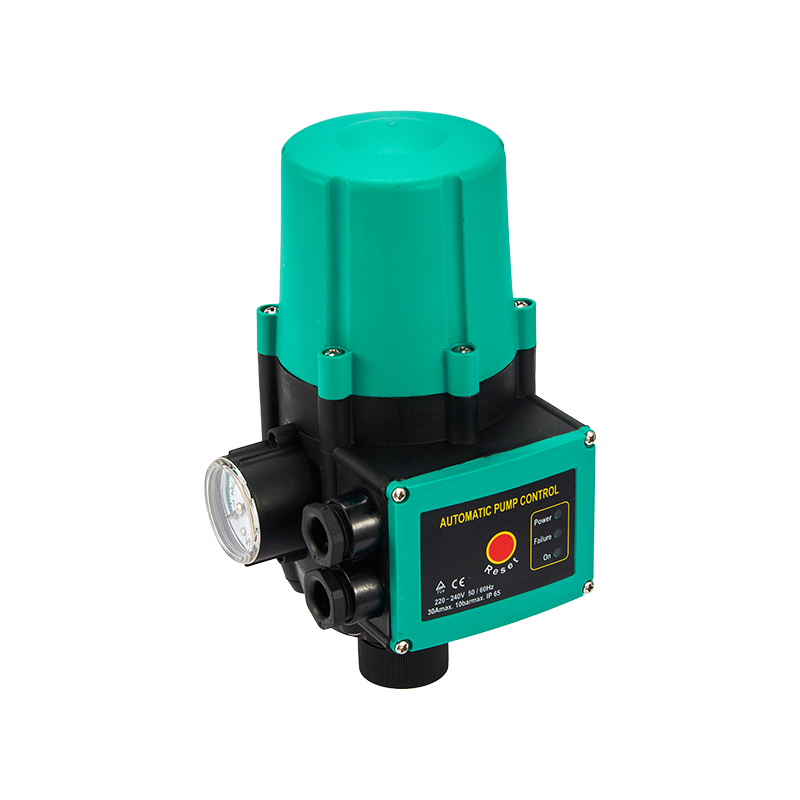
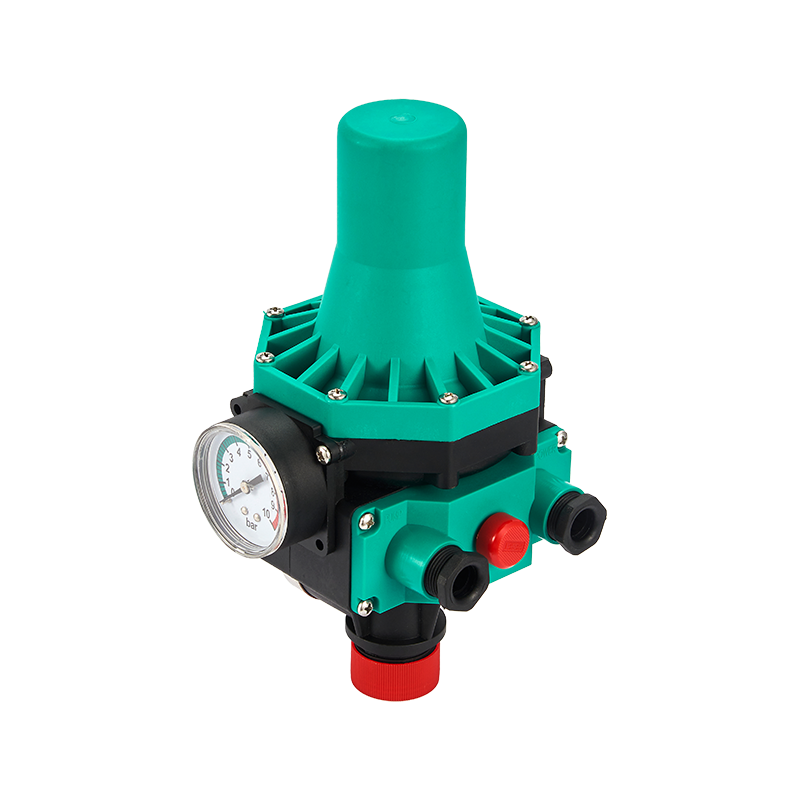
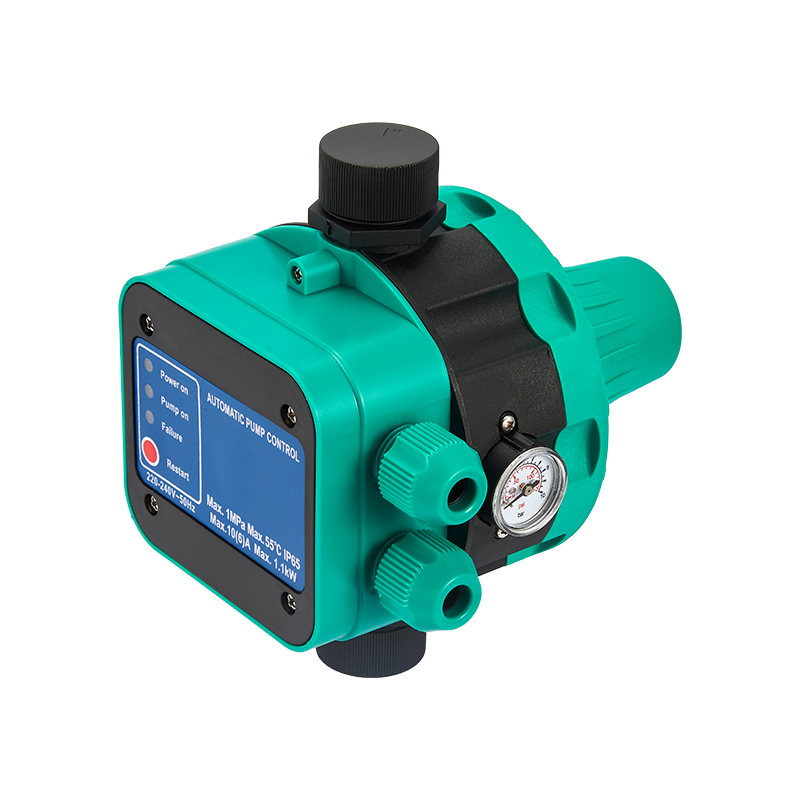
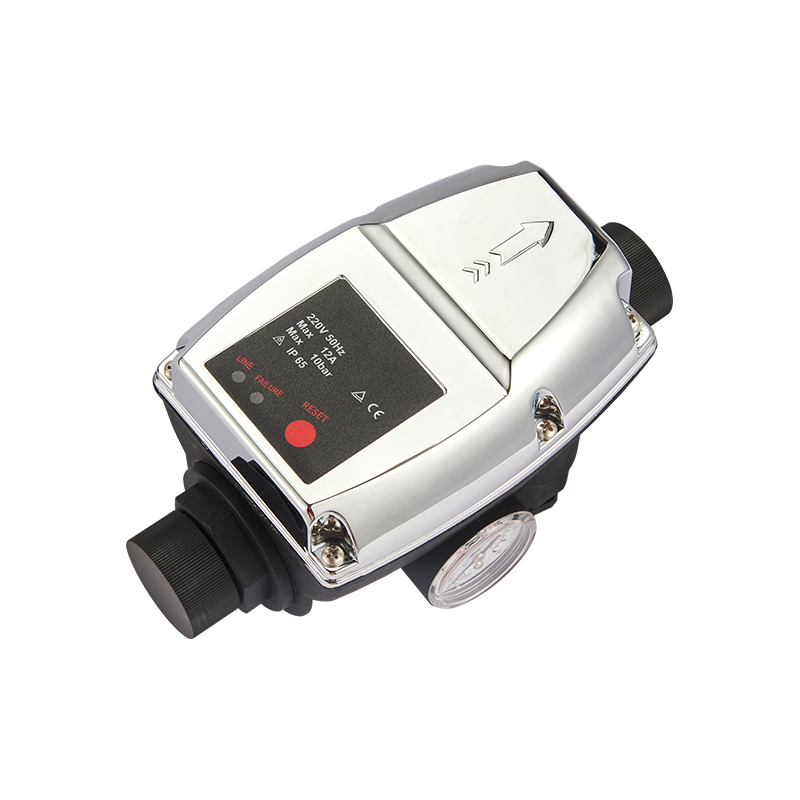
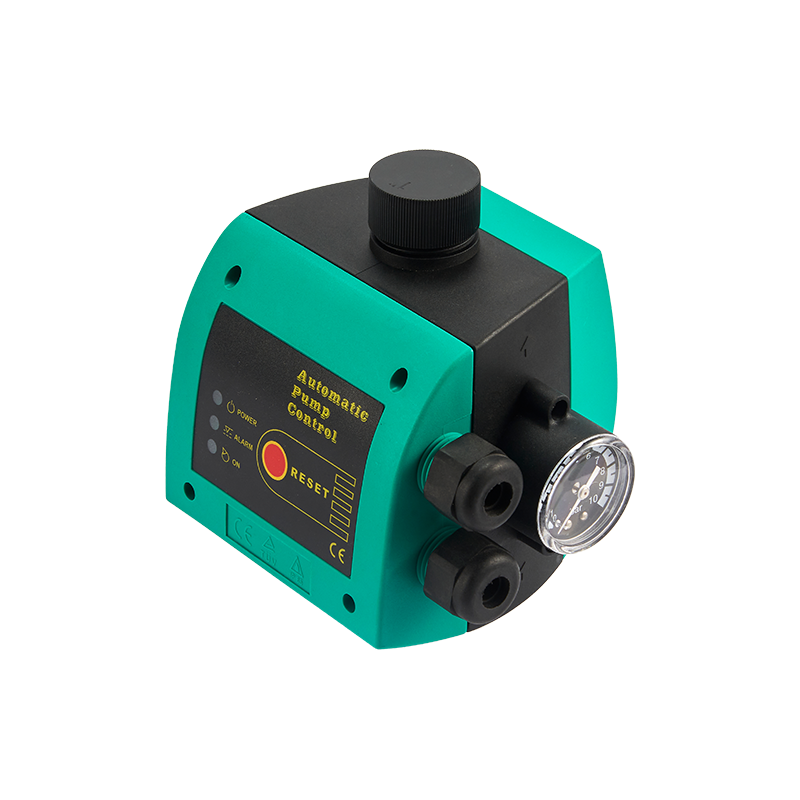
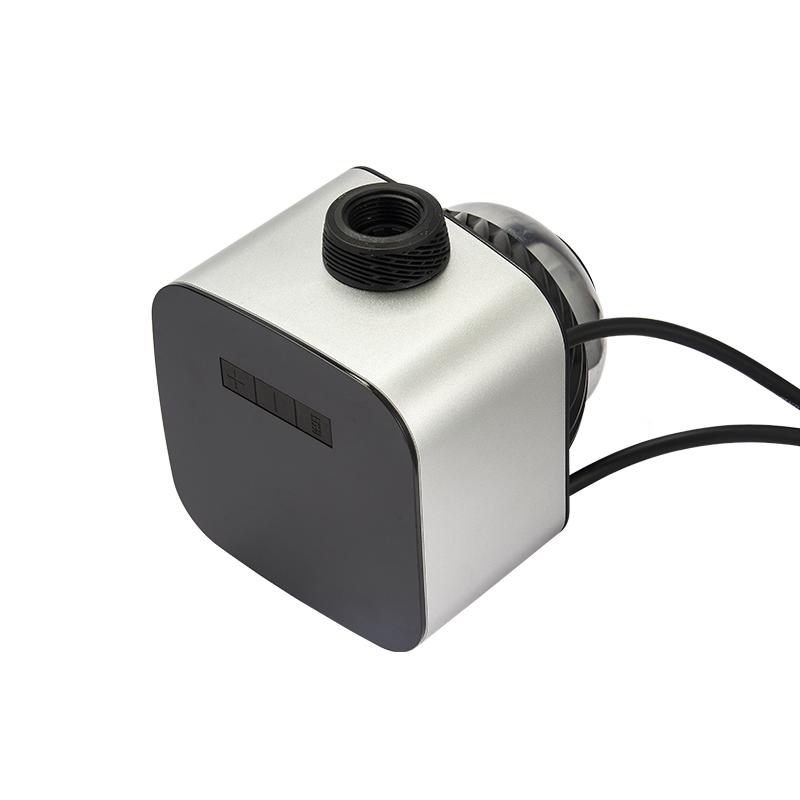
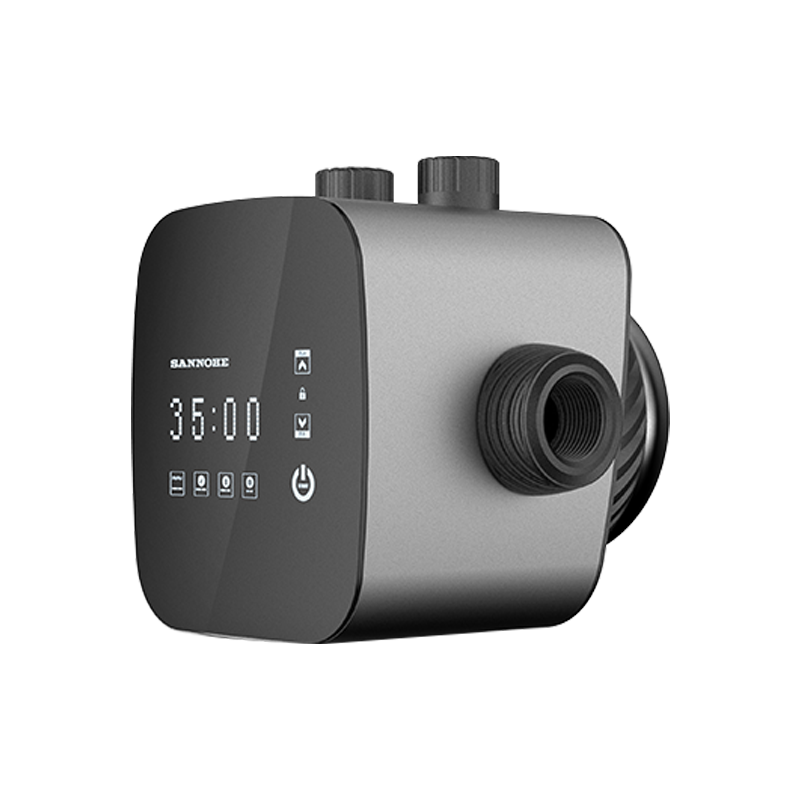
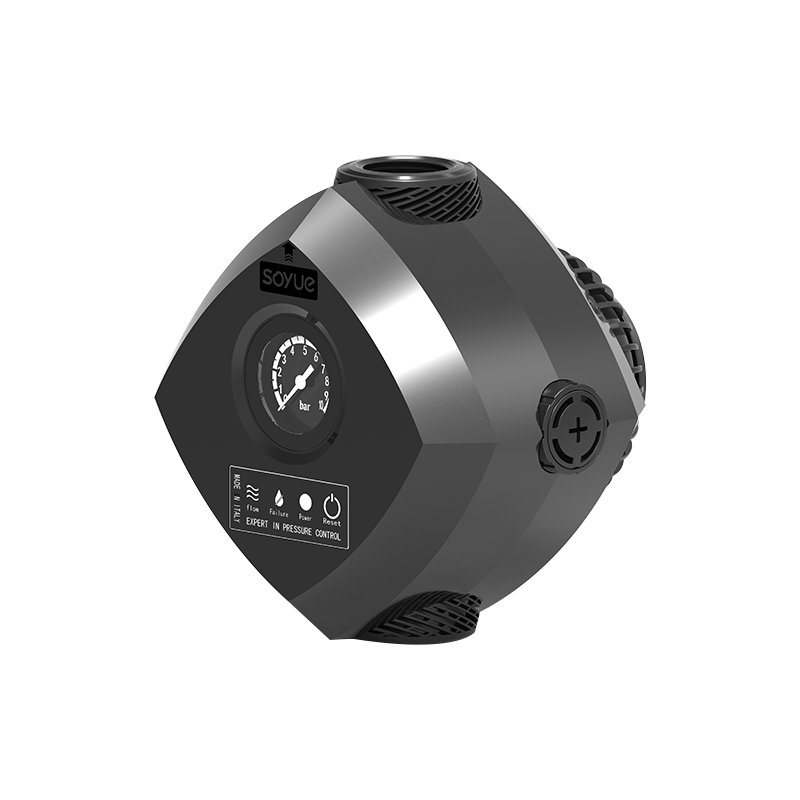
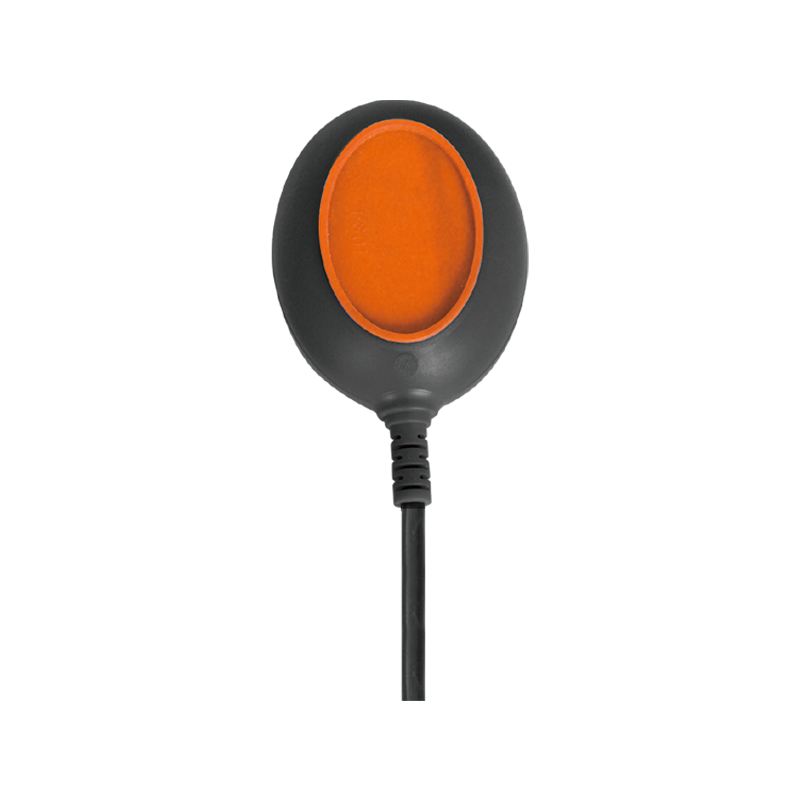
Within the global industrial supply chain, specialized facilities focus on producing the electronic brains that manage the world's pumps: the automatic pump controller factory. These manufacturing plants are dedicated to the design, assembly, testing, and quality assurance of the devices that provid...
Across the diverse applications of fluid movement—from ensuring consistent water supply in high-rise buildings to maintaining precise pressure in industrial processes and agricultural irrigation—the concept of pump automatic pressure control has become a cornerstone of modern system design. This tec...
In systems where water or other fluids are moved under pressure, from residential plumbing and agricultural irrigation to industrial processing and fire suppression, maintaining a precise and stable pressure is often critical. This task falls to a dedicated device: the pump pressure controller. This...

Soyue is an reliable water pump pressure controller manufacturers, with long-term combination of technology and innovation.custom water pump controller.
 No. 1469, Jingsi Road, Jiaojiang Economic Development Zone, Xiachen Street, Jiaojiang District, Taizhou City, Zhejiang.
  +86 - 18605868011
 +86 - 576 - 8906 9898
 +86 - 576 - 8866 5959
 kevin@china-soyue.com
  Leave A Message

 中文简体
中文简体 Español
 русский
 عربى
عربى Türk
Türk