

The global industrial landscape is witnessing a significant transformation, driven by advancements in automation and smart technology. A key player in this evolution is the automatic pump controller factory, which has become a hub of innovation and precision manufacturing. These specialized facilities are at the forefront of designing and producing the sophisticated electronic brains that manage water systems, irrigation networks, and industrial fluid handling with remarkable efficiency. The focus within these factories has shifted from mere production to the integration of intelligent systems that promise reliability, conservation, and seamless operation.
Within the walls of a modern automatic pump controller factory, the manufacturing process is a blend of meticulous engineering and rigorous quality control. The assembly lines are dedicated to creating devices that are both robust and sensitive to the demands of their operating environments. Each automatic pump controller undergoes a series of tests to ensure it can accurately monitor pressure levels, detect flow changes, and respond to pre-set commands without delay. The emphasis is on creating a product that delivers consistent performance, thereby reducing the need for manual intervention and small the risk of system failure. This commitment to quality is evident in every component, from the circuit boards to the protective casings.
A major trend emanating from these production centers is the push towards greater connectivity. The latest generation of automatic pump controller units is often equipped with features that allow for remote monitoring and control. Through integrated sensors and communication modules, these devices can transmit real-time data on performance metrics, alerting operators to potential issues such as leaks, blockages, or pressure drops. This capability not only prevents costly damages but also contributes to substantial energy savings by ensuring pumps operate only when necessary. The automatic pump controller is thus evolving from a simple regulatory device into a critical node in the Internet of Things ecosystem for infrastructure management.
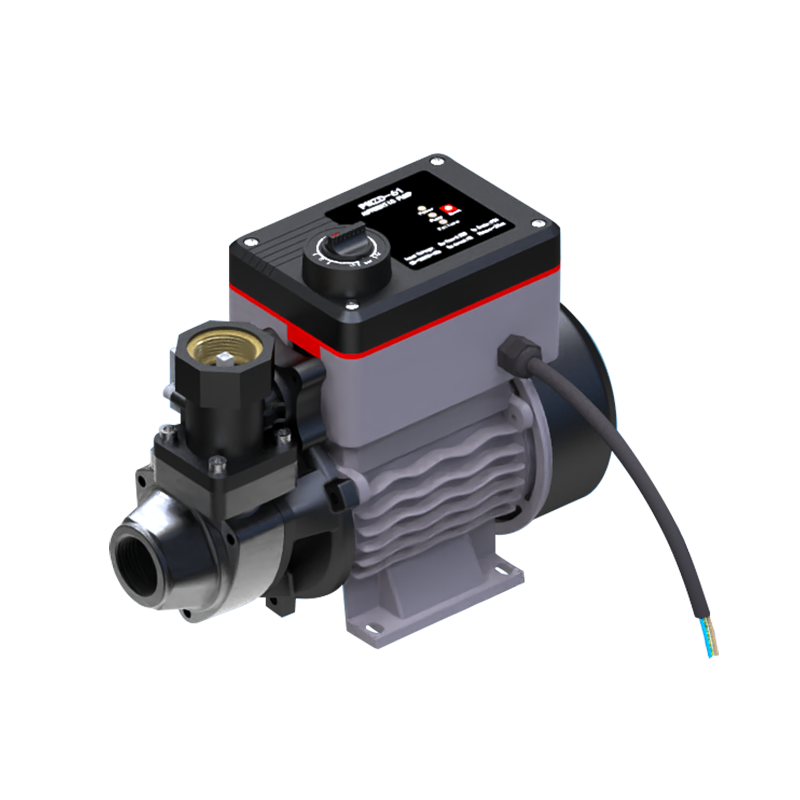
Sustainability is another cornerstone of the contemporary automatic pump controller factory. The design philosophy now heavily prioritizes energy efficiency and water conservation. Modern automatic pump controllers are engineered to optimize pump operation, significantly reducing electricity consumption and extending the operational lifespan of the pumping systems they manage. In agricultural and municipal water supply contexts, this technology is instrumental in preventing waste and promoting responsible resource management. The production processes within the factories themselves are also being refined to less environmental impact, reflecting a holistic approach to ecological stewardship.
The market demand for these intelligent systems continues to grow, fueled by urbanization, the modernization of agricultural practices, and the need to upgrade aging water infrastructure. An automatic pump controller factory must therefore be agile, capable of scaling production up or down in response to global needs. The ability to customize controllers for specific applications, from large-scale industrial complexes to residential buildings, is a key differentiator in this competitive field.
The automatic pump controller factory is more than just a manufacturing site; it is a vital source of technological progress. The relentless focus on improving the functionality, reliability, and intelligence of the automatic pump controller is having a profound impact on how societies manage essential resources. As these factories continue to innovate, they solidify the role of the automatic pump controller as an indispensable component for building efficient and sustainable infrastructure worldwide.
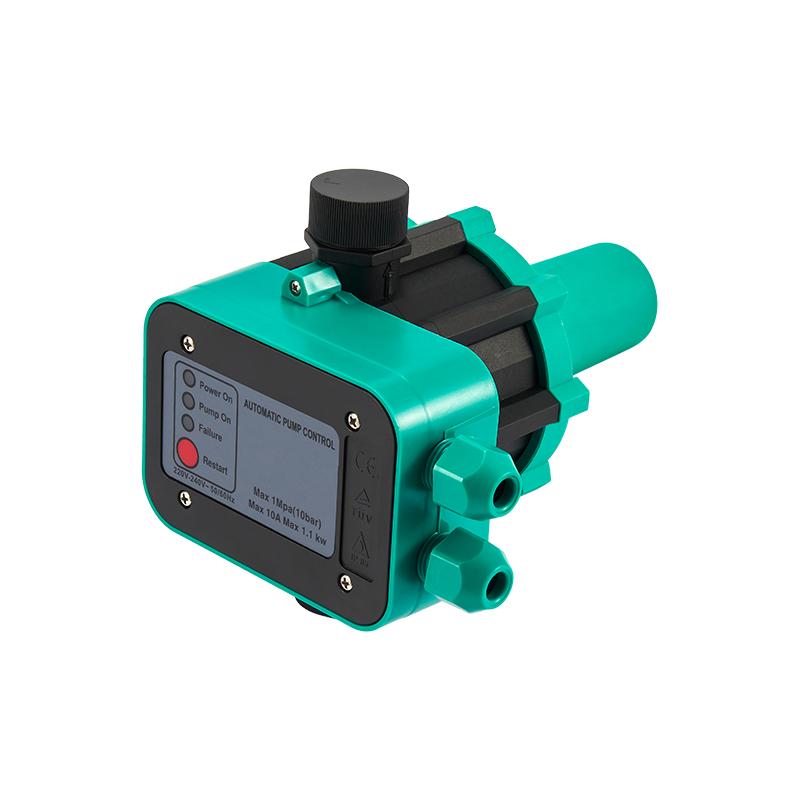
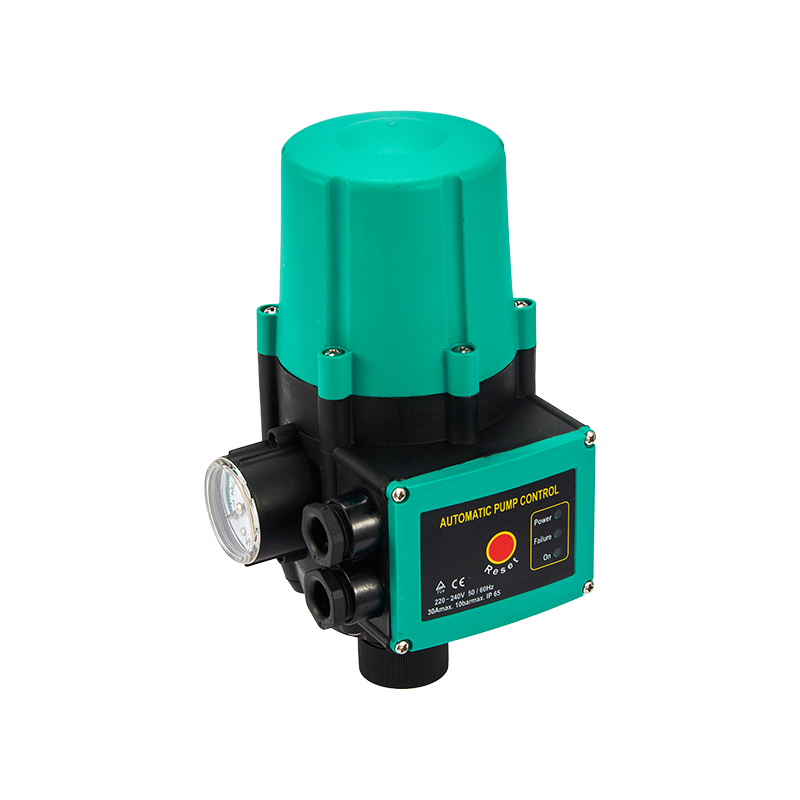
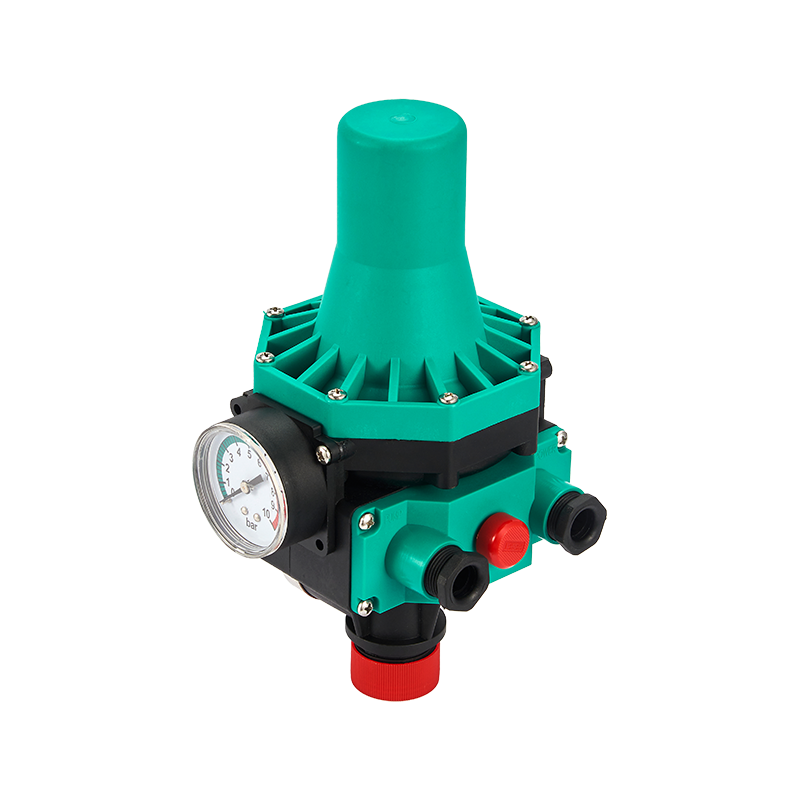
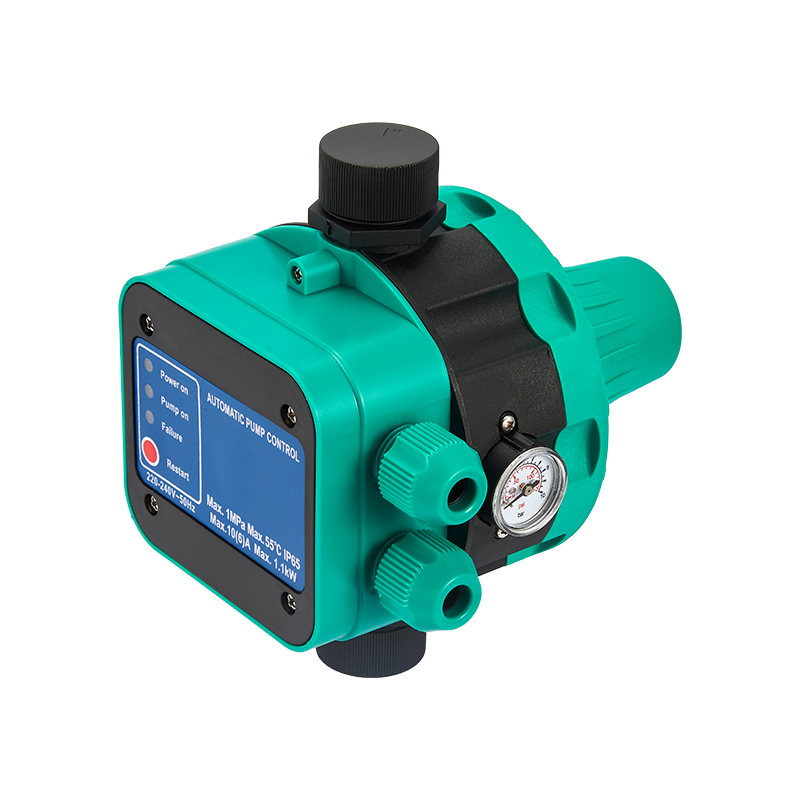
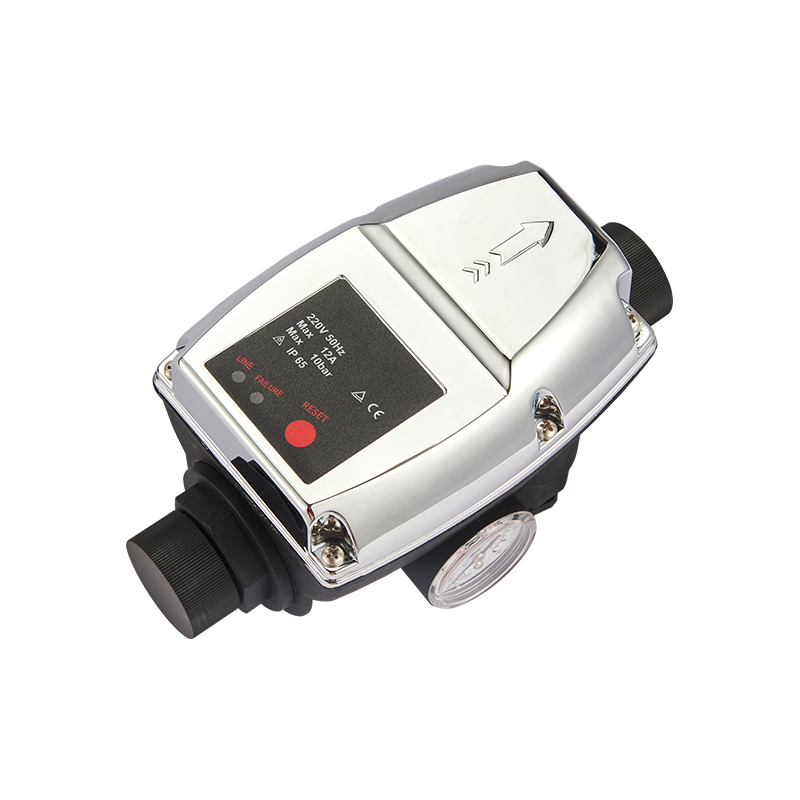
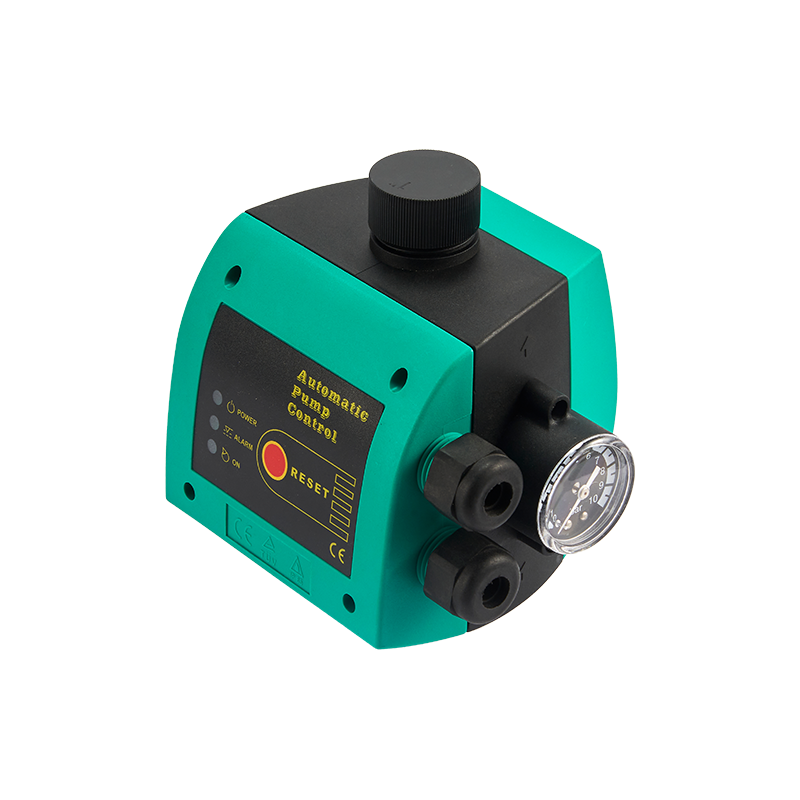
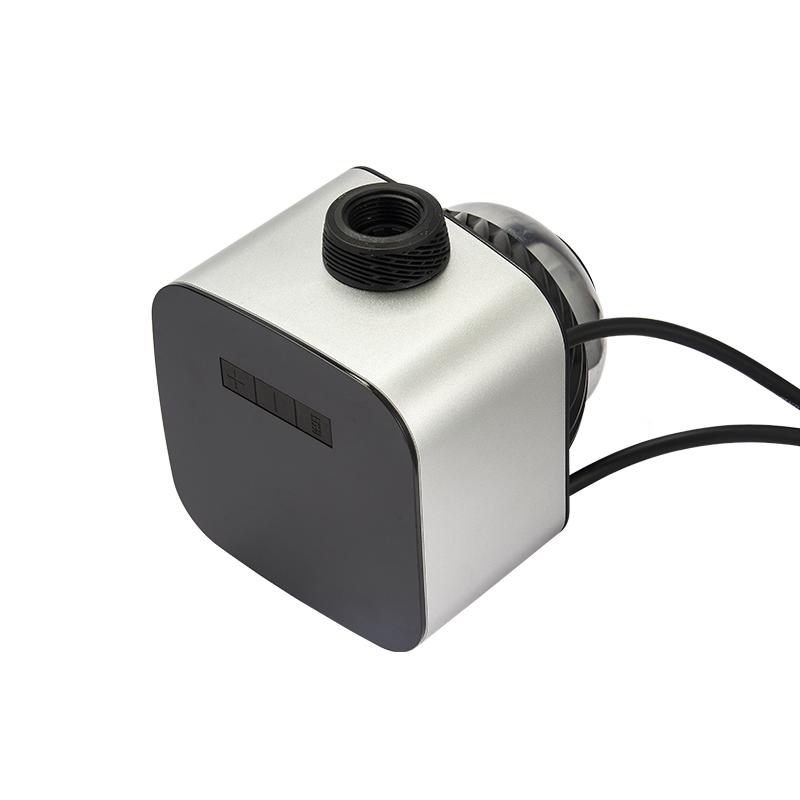
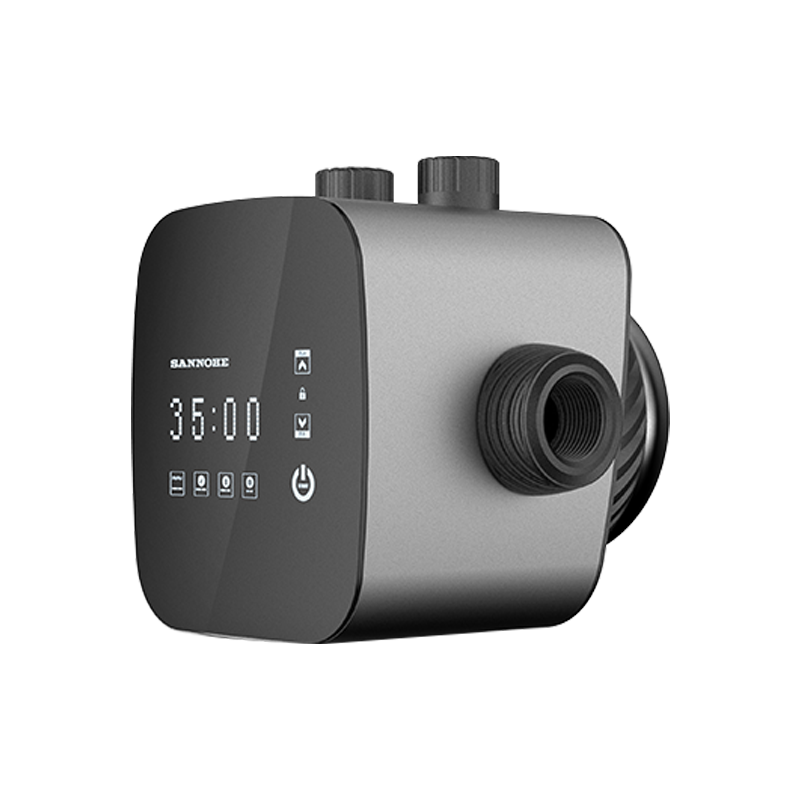
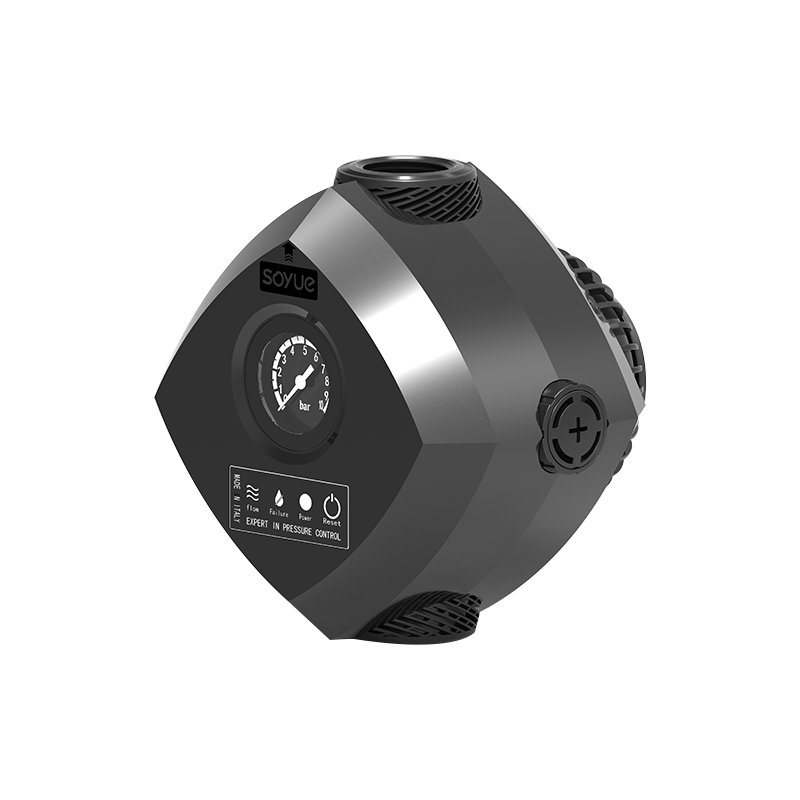
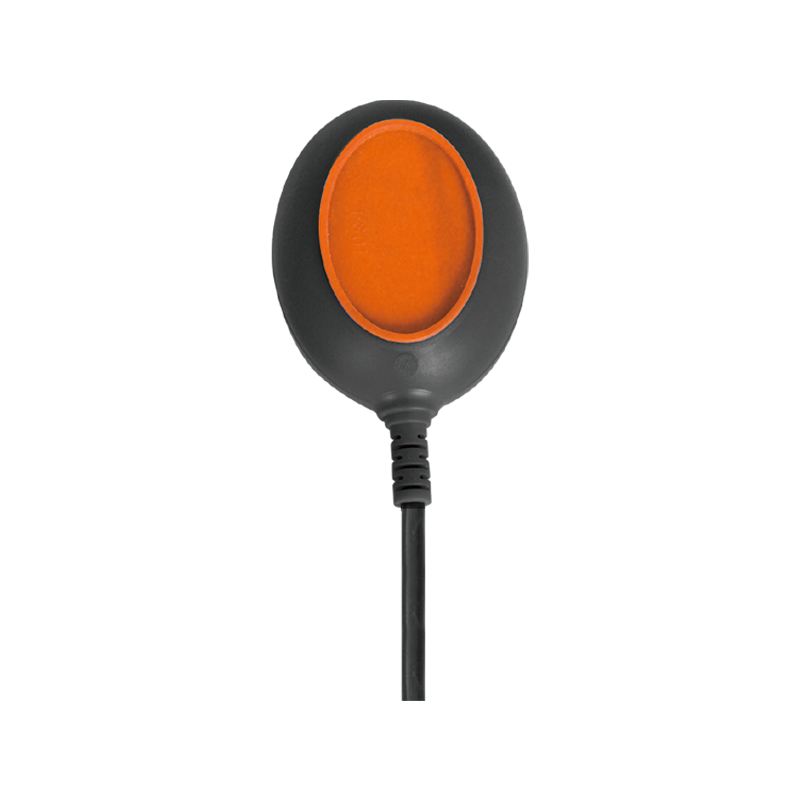
Within the global industrial supply chain, specialized facilities focus on producing the electronic brains that manage the world's pumps: the automatic pump controller factory. These manufacturing plants are dedicated to the design, assembly, testing, and quality assurance of the devices that provid...
Across the diverse applications of fluid movement—from ensuring consistent water supply in high-rise buildings to maintaining precise pressure in industrial processes and agricultural irrigation—the concept of pump automatic pressure control has become a cornerstone of modern system design. This tec...
In systems where water or other fluids are moved under pressure, from residential plumbing and agricultural irrigation to industrial processing and fire suppression, maintaining a precise and stable pressure is often critical. This task falls to a dedicated device: the pump pressure controller. This...

Soyue is an reliable water pump pressure controller manufacturers, with long-term combination of technology and innovation.custom water pump controller.
 No. 1469, Jingsi Road, Jiaojiang Economic Development Zone, Xiachen Street, Jiaojiang District, Taizhou City, Zhejiang.
  +86 - 18605868011
 +86 - 576 - 8906 9898
 +86 - 576 - 8866 5959
 [email protected]
  Leave A Message

 中文简体
中文简体 Español
 русский
 عربى
عربى Türk
Türk