


The fluid handling industry continues to depend on reliable pump pressure switch technology to maintain proper system operation across numerous applications. This essential component serves as an important control device that monitors pressure levels and activates or deactivates pump systems accordingly. The fundamental operation of a pump pressure switch involves responding to predetermined pressure thresholds to ensure ideal performance of pumping equipment. Manufacturers and system designers consistently work to enhance the durability and accuracy of pump pressure switch mechanisms to meet evolving industry requirements.
Design characteristics of modern pump pressure switch products focus on several key performance aspects. The internal mechanism of a typical pump pressure switch utilizes either diaphragm or piston technology to translate system pressure into mechanical action. The electrical contacts within a pump pressure switch must reliably handle the current required for pump motor operation while withstanding numerous cycling operations. Enclosure design represents another important consideration for pump pressure switch manufacturers, with appropriate sealing necessary to protect internal components from environmental factors. These design elements collectively determine the operational reliability and application suitability of a particular pump pressure switch.
Manufacturing processes for pump pressure switch production emphasize precision and quality control. The calibration procedures for a pump pressure switch ensure accurate response at specified pressure set points throughout its operational range. Materials selection for pump pressure switch construction includes corrosion-resistant components suitable for various fluid types and operating environments. Testing protocols verify the operational characteristics of each pump pressure switch before distribution, including electrical safety and pressure response verification. These manufacturing standards help maintain consistent performance across pump pressure switch product lines.
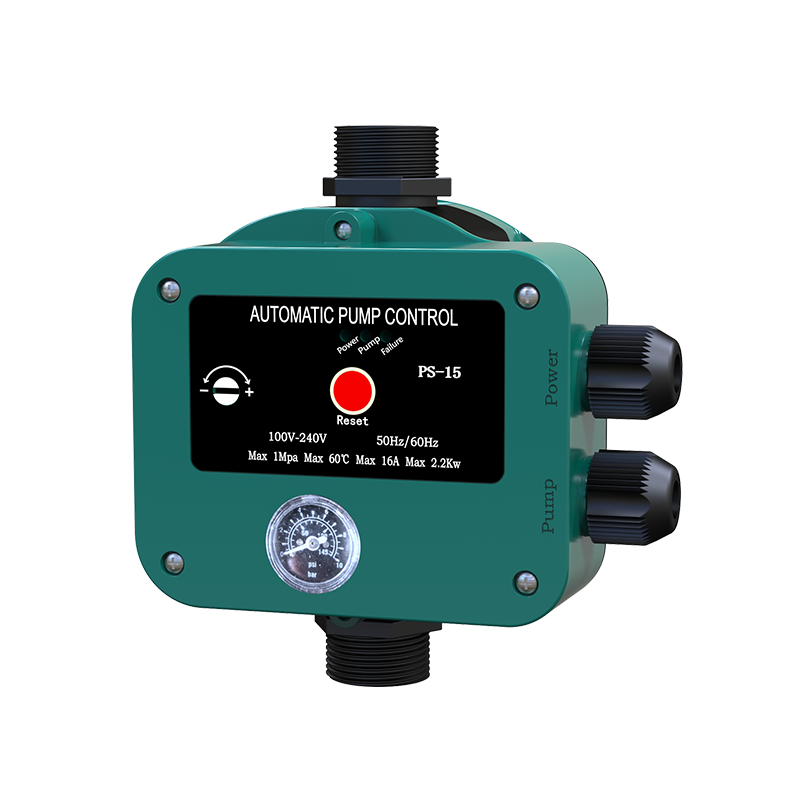
Application diversity represents a notable feature of pump pressure switch technology across multiple sectors. Water supply systems utilize pump pressure switch controls to maintain consistent pressure in residential, commercial, and agricultural applications. Industrial processing operations employ specialized pump pressure switch devices for chemical transfer, lubrication systems, and hydraulic power units. The heating sector incorporates pump pressure switch technology in boiler feed systems and hydronic heating circuits. This broad implementation demonstrates the fundamental importance of pump pressure switch controls across diverse fluid handling applications.
Installation considerations for pump pressure switch equipment include proper location, piping configuration, and electrical connections. The mounting position of a pump pressure switch can influence its performance and longevity in certain applications. Piping arrangements for pump pressure switch connections typically include isolation valves and pressure gauge ports for service and monitoring purposes. Electrical wiring for pump pressure switch controls must comply with applicable codes and specifications for the specific voltage and current requirements. These installation parameters contribute significantly to the reliable operation of pump pressure switch systems.
Future developments in pump pressure switch technology appear likely to focus on enhanced functionality and connectivity. The integration of electronic sensors with pump pressure switch designs may provide more precise control and additional operational data. Communication capabilities could enable remote monitoring and adjustment of pump pressure switch settings in certain applications. Material science advancements may yield improved durability for pump pressure switch components operating in challenging environments. As fluid system requirements continue to evolve, pump pressure switch technology will maintain its essential role in ensuring efficient and reliable pump operation across countless applications worldwide.
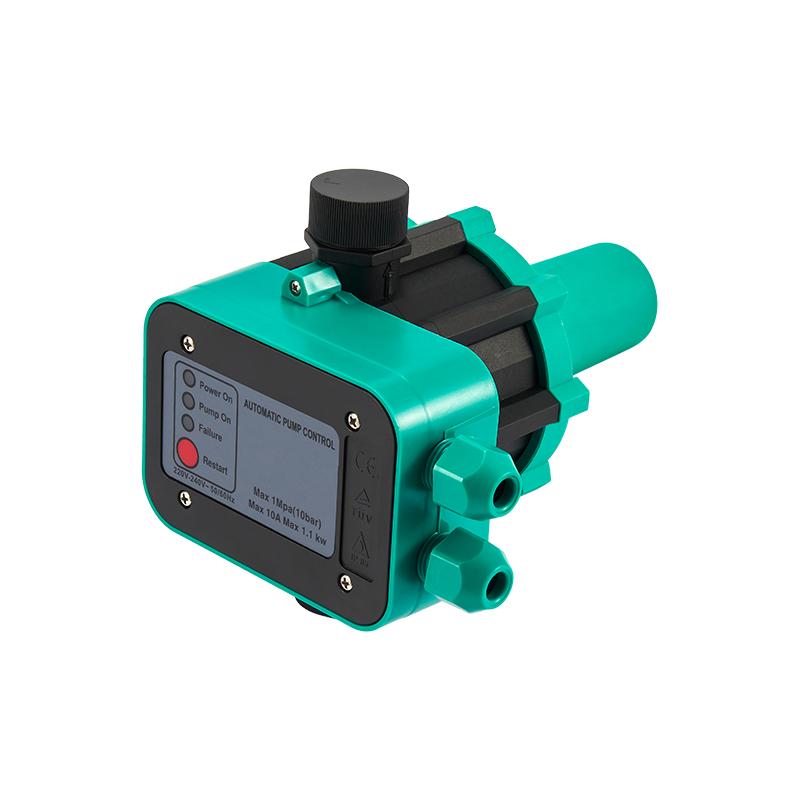
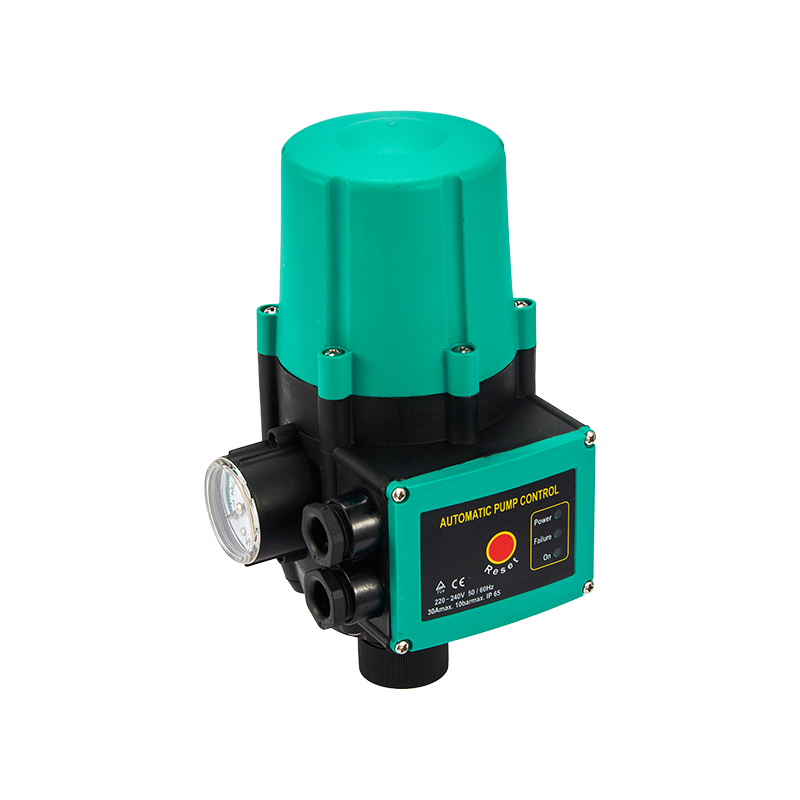
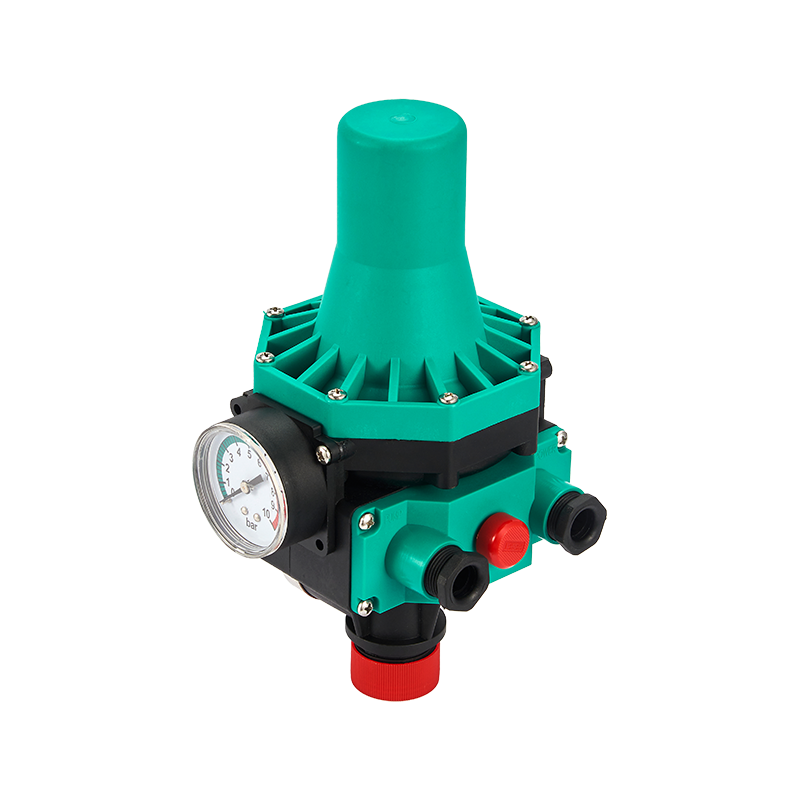
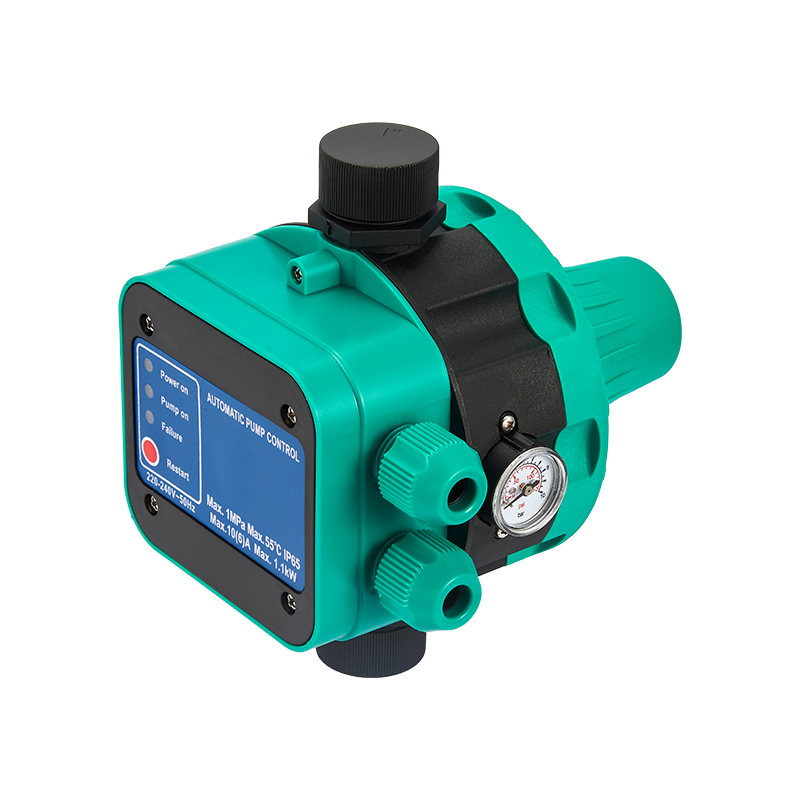
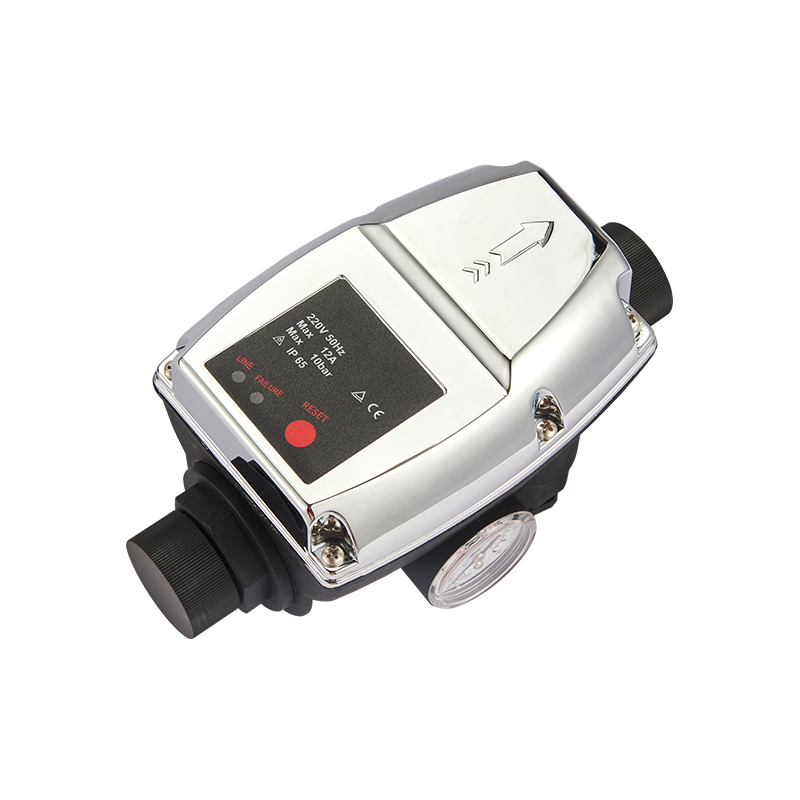
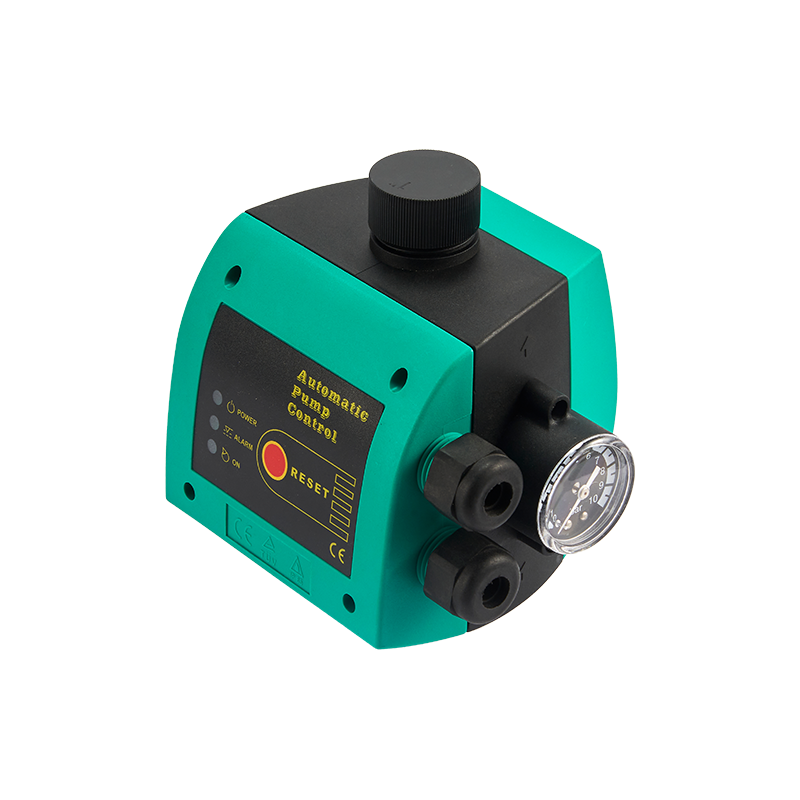
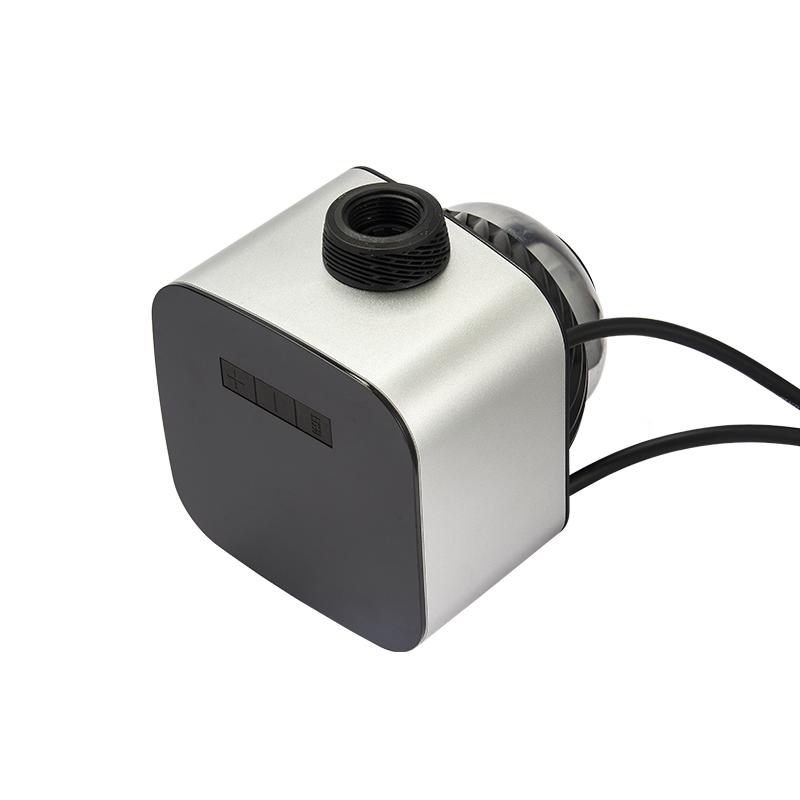
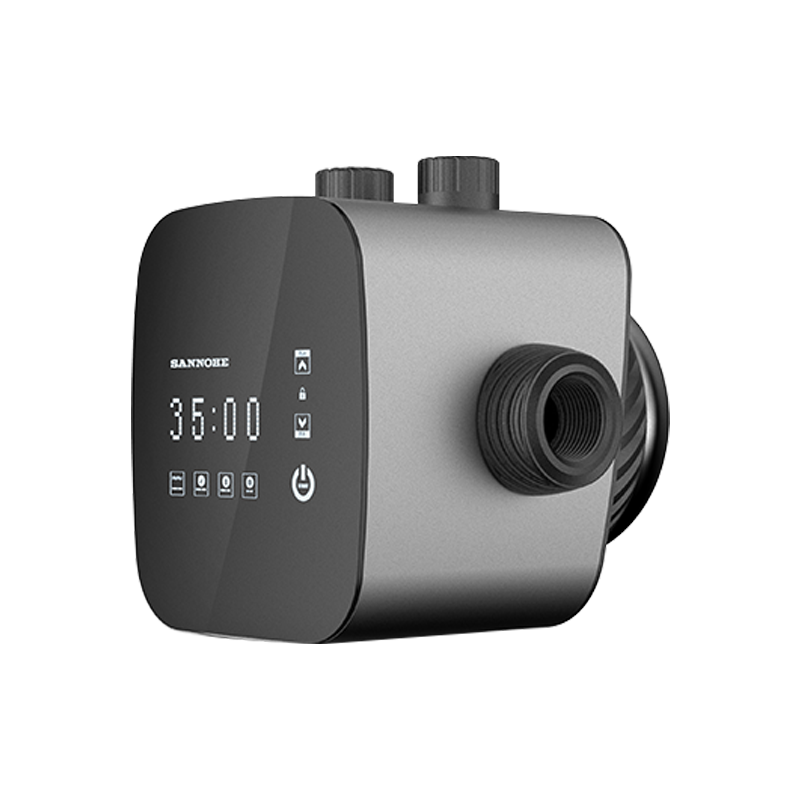
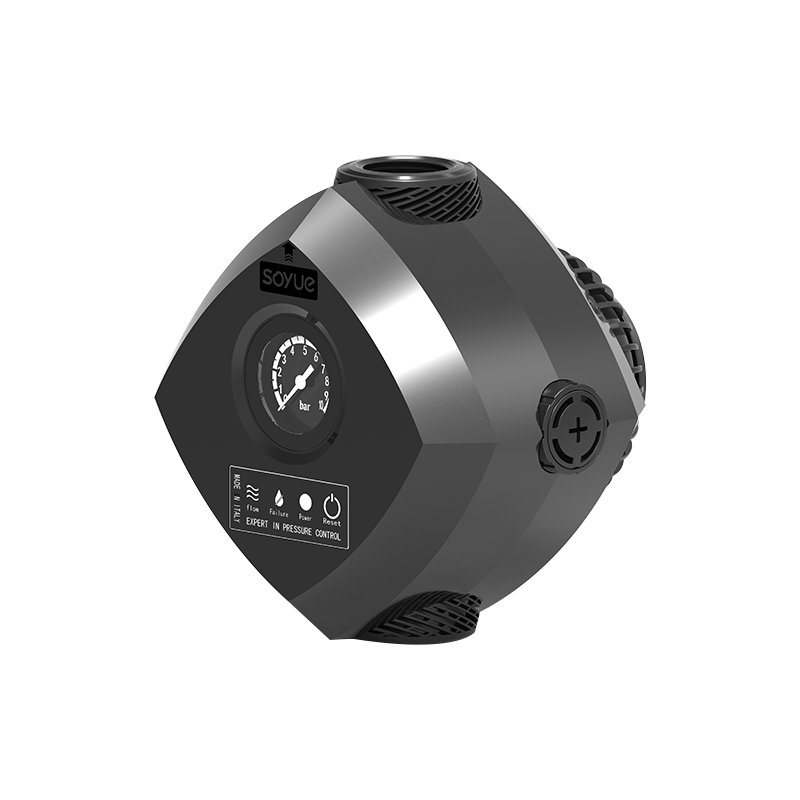
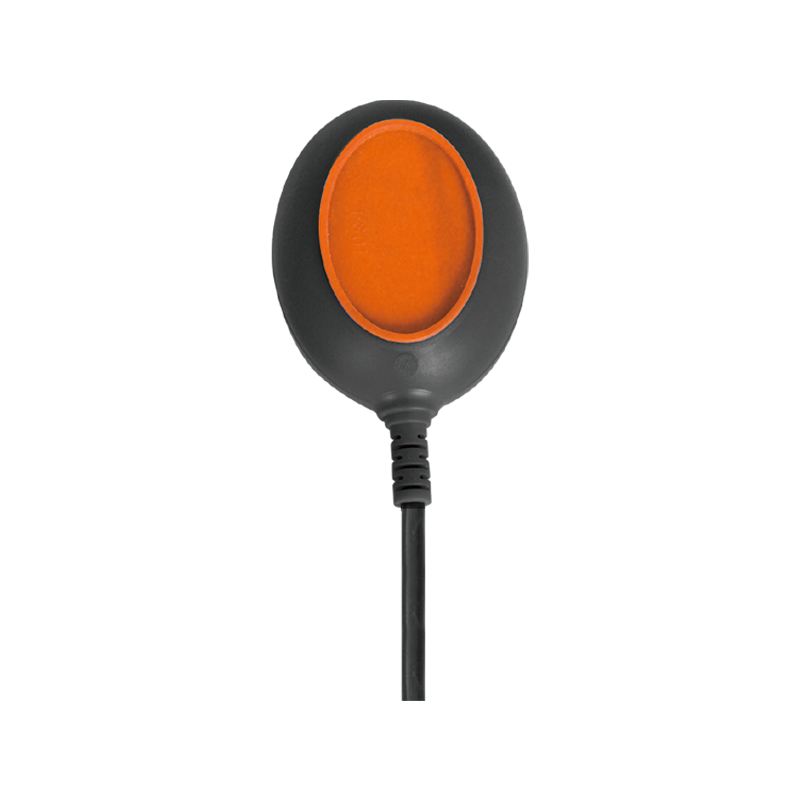
Within the global industrial supply chain, specialized facilities focus on producing the electronic brains that manage the world's pumps: the automatic pump controller factory. These manufacturing plants are dedicated to the design, assembly, testing, and quality assurance of the devices that provid...
Across the diverse applications of fluid movement—from ensuring consistent water supply in high-rise buildings to maintaining precise pressure in industrial processes and agricultural irrigation—the concept of pump automatic pressure control has become a cornerstone of modern system design. This tec...
In systems where water or other fluids are moved under pressure, from residential plumbing and agricultural irrigation to industrial processing and fire suppression, maintaining a precise and stable pressure is often critical. This task falls to a dedicated device: the pump pressure controller. This...

Soyue is an reliable water pump pressure controller manufacturers, with long-term combination of technology and innovation.custom water pump controller.
 No. 1469, Jingsi Road, Jiaojiang Economic Development Zone, Xiachen Street, Jiaojiang District, Taizhou City, Zhejiang.
  +86 - 18605868011
 +86 - 576 - 8906 9898
 +86 - 576 - 8866 5959
 kevin@china-soyue.com
  Leave A Message

 中文简体
中文简体 Español
 русский
 عربى
عربى Türk
Türk