


Variable Frequency Controller is an advanced power electronic device that controls the speed of the motor by changing the power frequency, thereby achieving precise control of the mechanical load. Applications for this technology are vast, spanning industries from manufacturing to HVAC to electric vehicles. The following is a detailed description of the use of variable frequency controllers in different industries.
In the manufacturing industry, variable frequency controllers play a vital role. It can be used to control the operating speed of various machinery, such as conveyor belts, extruders, injection molding machines, etc. By precisely controlling motor speed, manufacturing industries can increase production efficiency, reduce energy consumption, and improve product quality. In addition, the frequency conversion controller can also reduce the starting current of the machinery and extend the service life of the equipment.
In HVAC systems, variable frequency controllers are used to adjust the fan and compressor speeds of air conditioning units to adapt to changes in indoor and outdoor temperatures. This adjustment method can significantly improve energy efficiency, reduce energy waste, and provide a more comfortable indoor environment. The variable frequency air conditioning system can adjust the operating status according to actual needs, avoiding frequent starts and stops in traditional air conditioning systems, thereby reducing the impact on the power grid.
Electric vehicles are another important application area of variable frequency controllers. In electric vehicles, variable frequency controllers are used to control the speed of the traction motor to adapt to different driving conditions. This not only improves the driving efficiency of electric vehicles, but also extends the life of the battery. In addition, variable frequency controllers can also be used in charging stations for electric vehicles to optimize the charging process by adjusting the charging speed.
In water supply systems, variable frequency controllers can be used to control the operation of water pumps to meet water demand in different time periods. This demand-responsive control reduces energy consumption and ensures stable operation of the water system. During peak water usage periods, the variable frequency controller can increase the operating speed of the water pump to meet increased water demand, while during off-peak periods, the speed can be reduced to save energy.
Elevator systems are also an important application of frequency conversion controllers. It can precisely control the elevator's running speed and provide smooth starts and stops, thereby improving passenger comfort. At the same time, the frequency conversion controller can also reduce the wear of elevator mechanical parts and extend the elevator maintenance cycle.
In the textile industry, frequency conversion controllers are used to control the operation of textile machinery, such as spinning machines, looms, etc. By precisely controlling machine speed, the quality of textiles can be improved, waste of raw materials reduced, and production efficiency increased.
Variable frequency controllers are also widely used in the food and beverage industry to control equipment such as conveyor belts, mixers and packaging machines on production lines. This not only ensures product consistency, but also improves the flexibility of the production line to adapt to the production needs of different products.
Mining is another industry that benefits from variable frequency controllers. In mining, variable frequency controllers are used to control heavy machinery such as conveyor belts, crushers and grinders. This not only improves the efficiency of ore processing, but also reduces environmental impact.
Generally speaking, Variable Frequency Controller has a wide range of applications in various industries. Not only do they increase energy efficiency, they also increase production efficiency and product quality while reducing environmental impact. With the continuous advancement of technology, the application fields of frequency conversion controllers will continue to expand, bringing revolutionary changes to more industries.
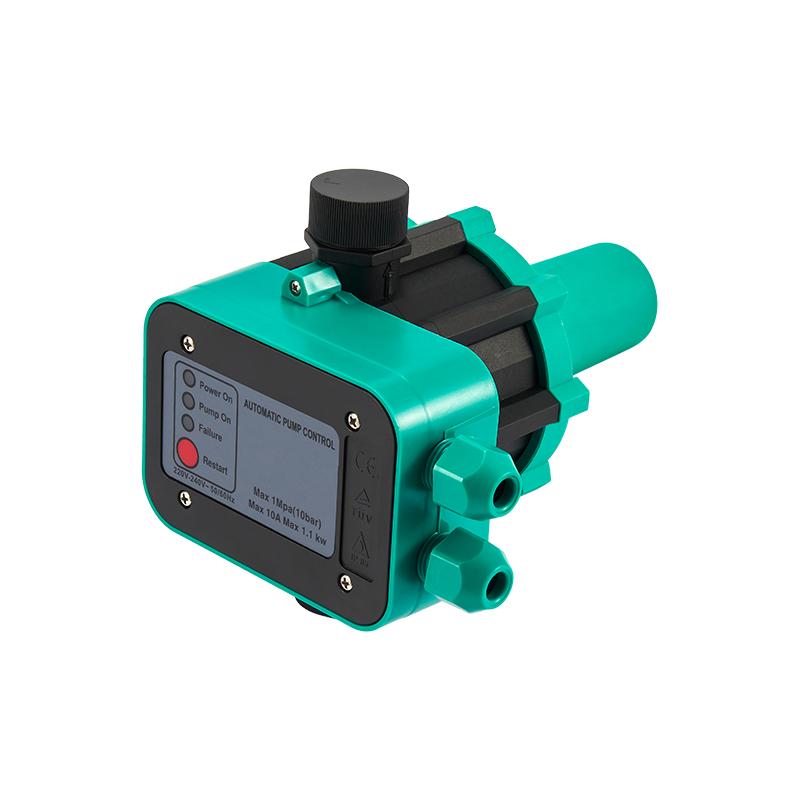
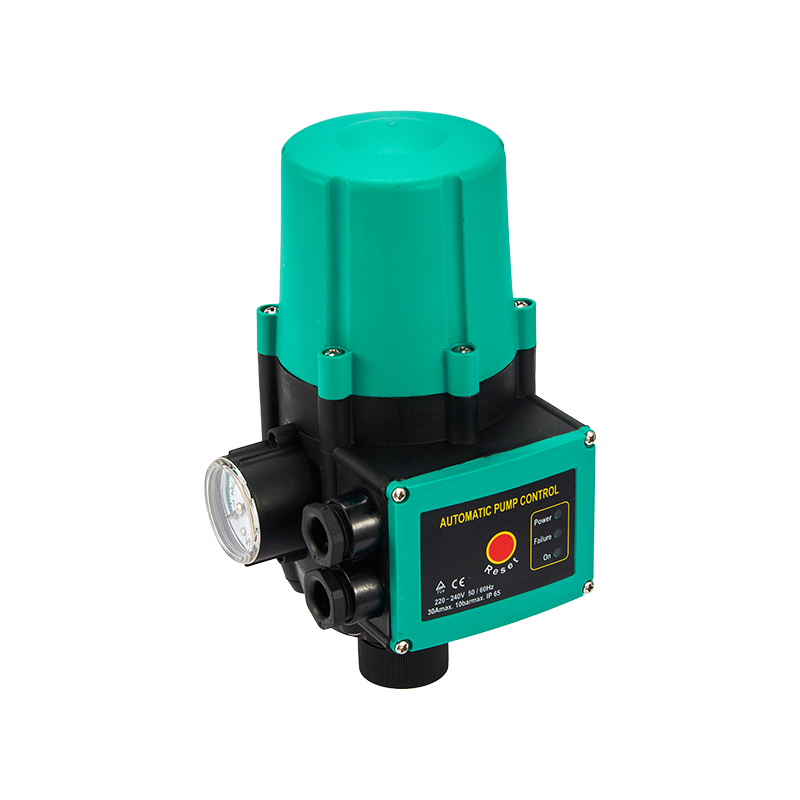
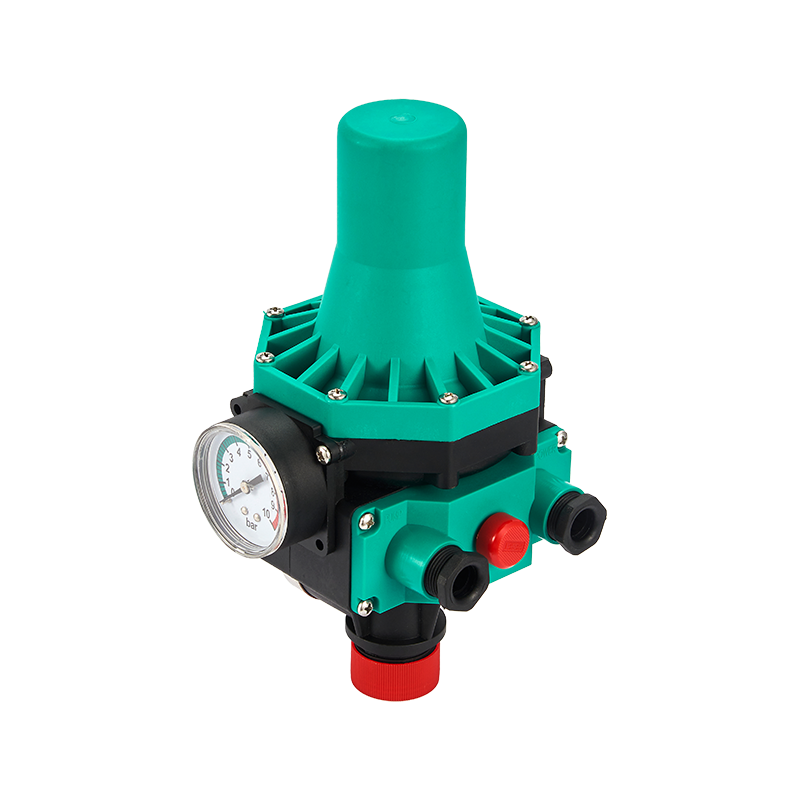
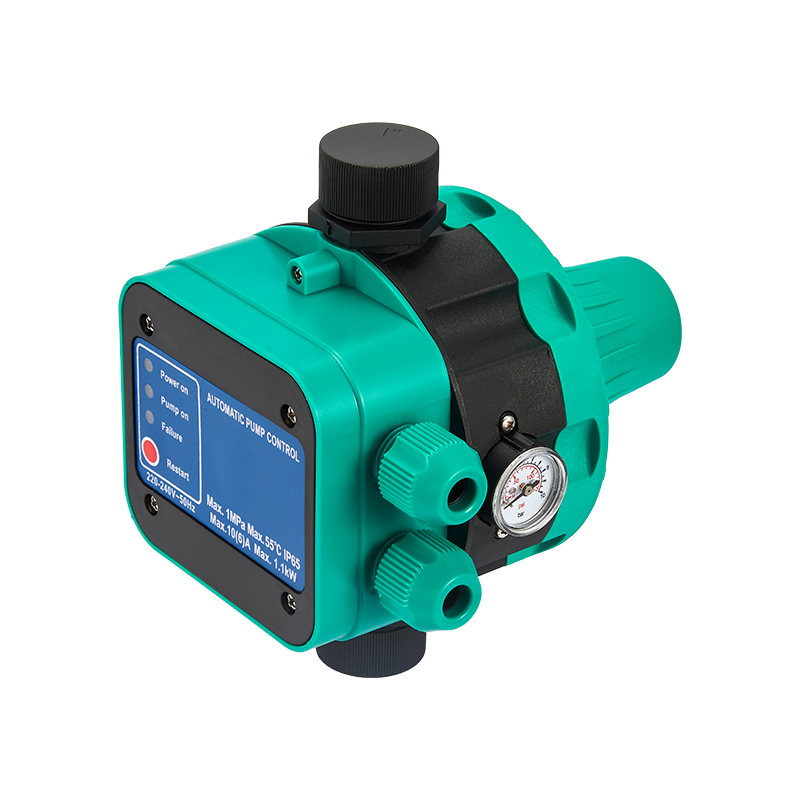
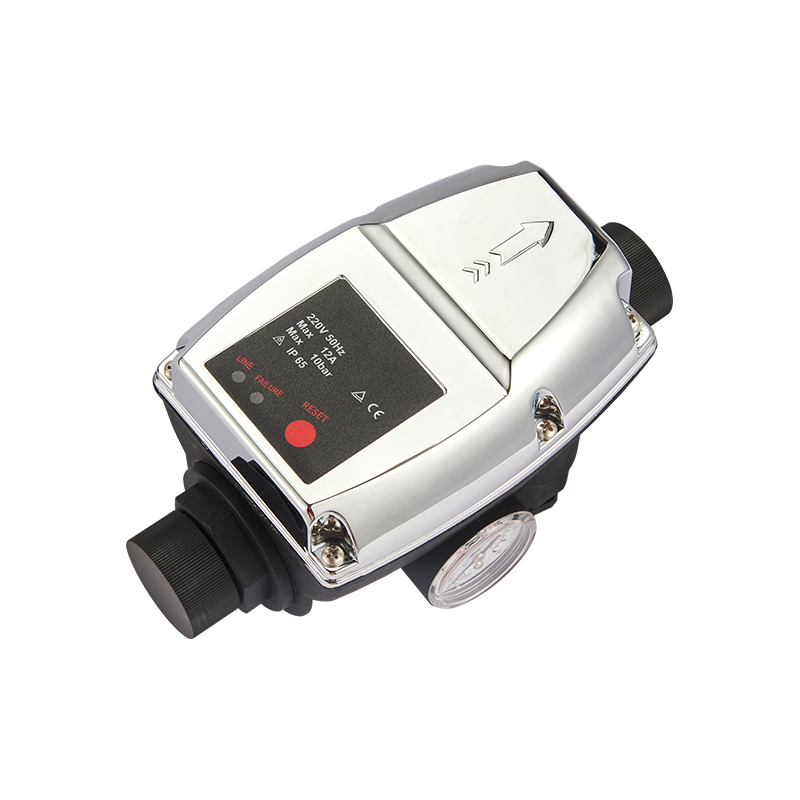
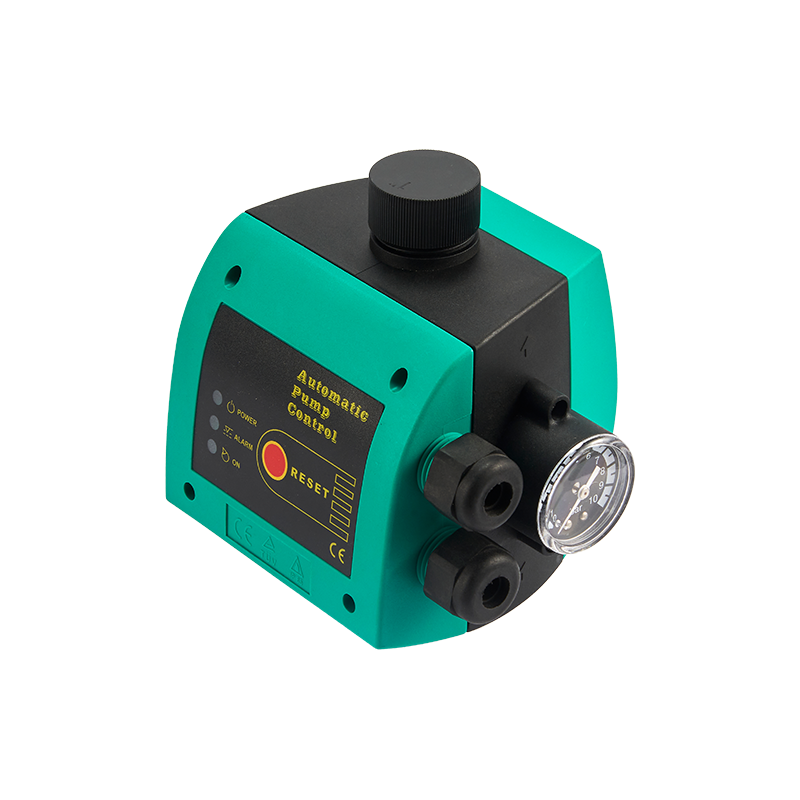
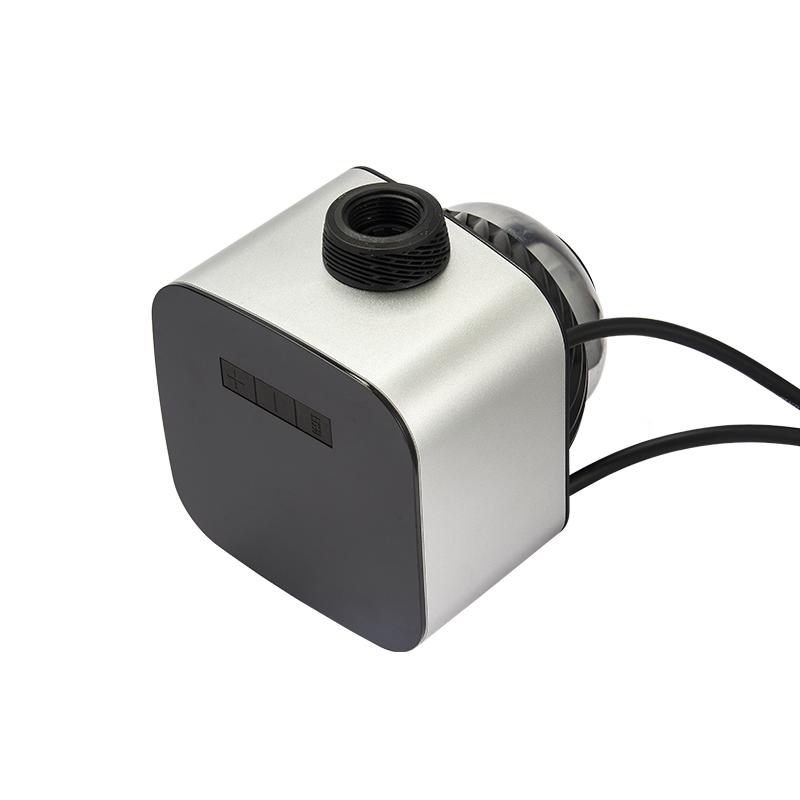
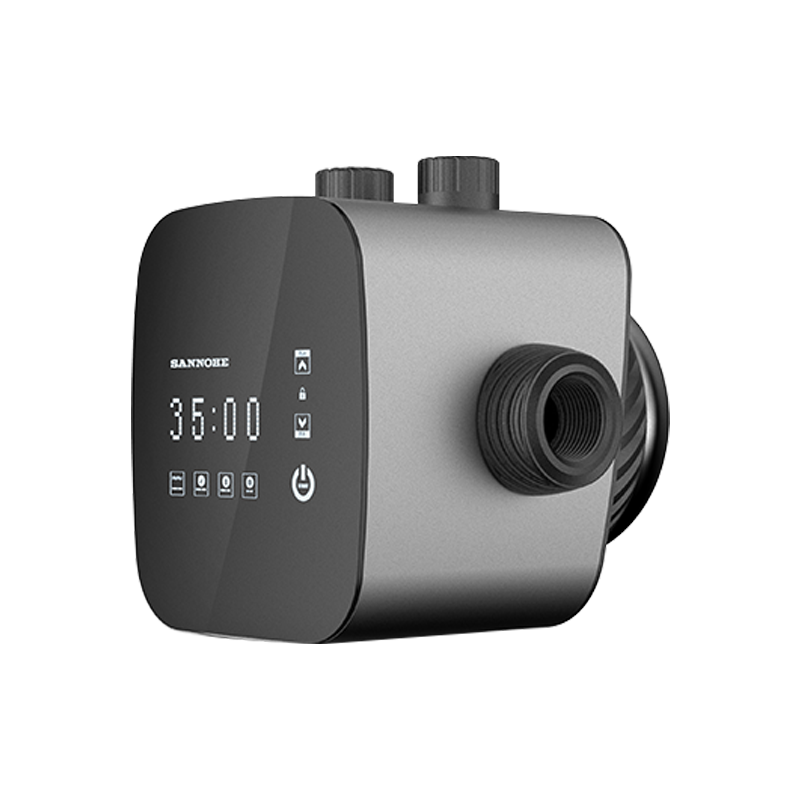
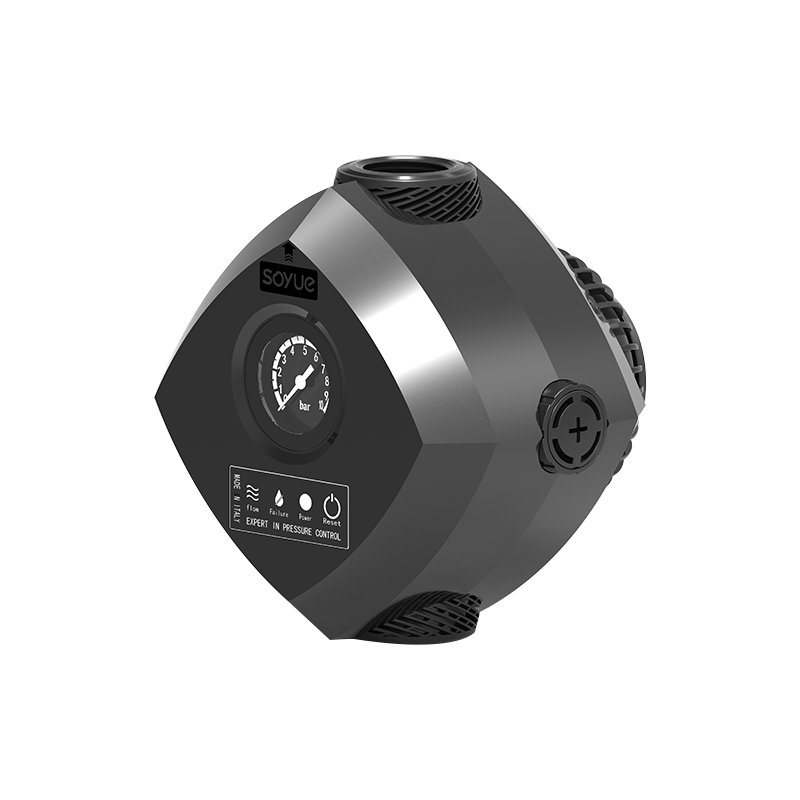
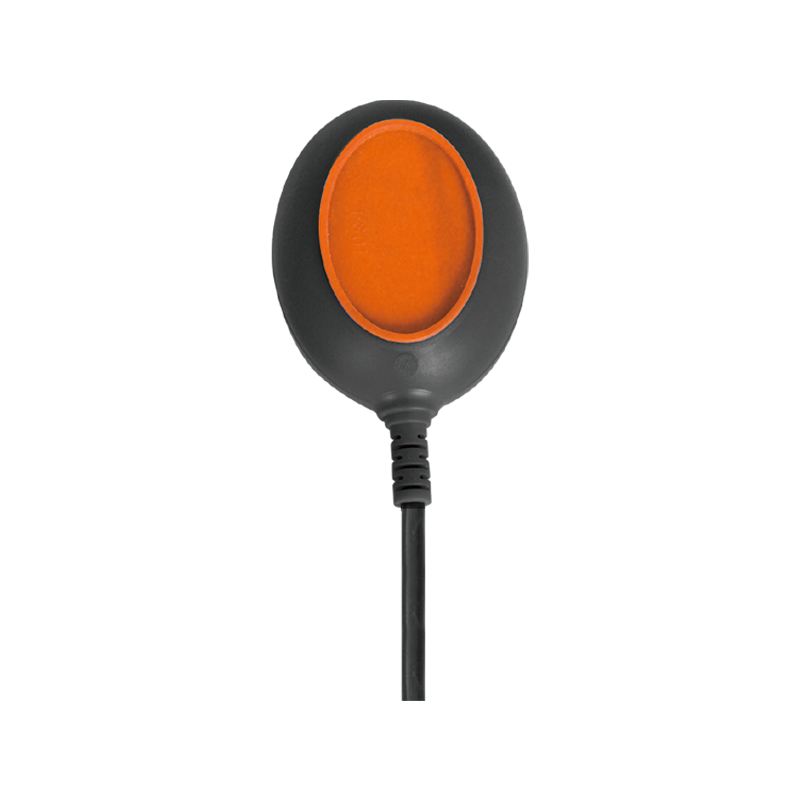
Within the global industrial supply chain, specialized facilities focus on producing the electronic brains that manage the world's pumps: the automatic pump controller factory. These manufacturing plants are dedicated to the design, assembly, testing, and quality assurance of the devices that provid...
Across the diverse applications of fluid movement—from ensuring consistent water supply in high-rise buildings to maintaining precise pressure in industrial processes and agricultural irrigation—the concept of pump automatic pressure control has become a cornerstone of modern system design. This tec...
In systems where water or other fluids are moved under pressure, from residential plumbing and agricultural irrigation to industrial processing and fire suppression, maintaining a precise and stable pressure is often critical. This task falls to a dedicated device: the pump pressure controller. This...

Soyue is an reliable water pump pressure controller manufacturers, with long-term combination of technology and innovation.custom water pump controller.
 No. 1469, Jingsi Road, Jiaojiang Economic Development Zone, Xiachen Street, Jiaojiang District, Taizhou City, Zhejiang.
  +86 - 18605868011
 +86 - 576 - 8906 9898
 +86 - 576 - 8866 5959
 [email protected]
  Leave A Message

 中文简体
中文简体 Español
 русский
 عربى
عربى Türk
Türk